E-Paper



What is dart frog toxin, the ‘extremely rare’ neurotoxin allegedly used to kill Alexei Navalny?
Five European countries on Saturday accused Russia of ‘poisoning’ opposition leader Alexei Navalny in prison using a ‘rare toxin’. What is the dart frog toxin?

 Prefer HTon Google


Five European countries on Saturday accused Russia of ‘poisoning’ opposition leader Alexei Navalny in prison using a ‘rare toxin’. Almost two years after Navalny’s death, the foreign ministries of the UK, France, Germany, Sweden and the Netherlands said the Russian opposition leader was killed using a rare and lethal toxin found in the skin of poison dart frogs.
"The UK, Sweden, France, Germany and The Netherlands are confident that Alexei Navalny was poisoned with a lethal toxin," the countries said in a joint statement, following "analyses of samples" from his body," news agency AFP reported.
What is dart frog toxin?
The UK and European allies claim that the dart frog toxin epibatidine was used in the killing of Alexei Navalny.
Epibatidine is a powerful chemical compound found in the skin of certain poison dart frogs. It is about 100 times more potent than morphine, according to The Guardian.
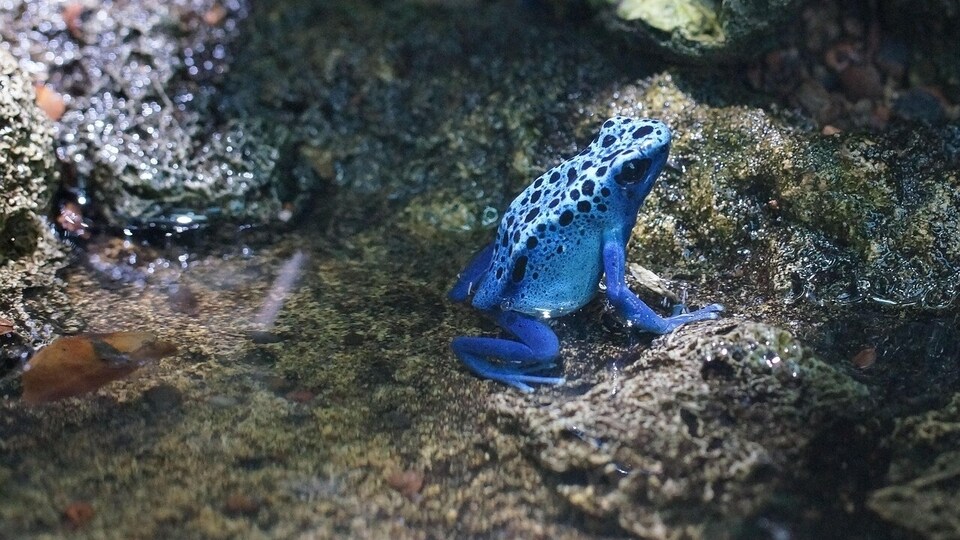
This highly toxic compound was first isolated from poison dart frogs of the Epipedobates genus, native to northern South America — frogs that do not occur naturally in Russia.
Speaking to BBC Russian, toxicology expert Jill Johnson said that this “extremely rare neurotoxin” is only found in one wild frog species in tiny quantities.
Researchers believe that the toxin is acquired by frogs through their diet, because frogs raised in captivity do not have epibatidine.
How the dart frog toxin works
Epibatidine is an alkaloid, meaning it is a naturally occurring nitrogen-containing compound. Its molecular structure is similar to nicotine, which is why it affects the nervous system in a comparable way.
Exposure to high levels of epibatidine can lead to paralysis, loss of consciousness, coma and eventually death.
Alastair Hay, emeritus professor of environmental toxicology at the University of Leeds, told The Guardian that epibatidine inhibits nerve action by blocking nicotinic receptors in the central and peripheral nervous systems.
“The effect of blocking these receptors is muscle paralysis and paralysis of the respiratory system.So, breathing is blocked, and any person poisoned dies from suffocation,” Hay explained.
(Also read: Alexei Navalny poisoned with dart frog toxin by Russia, European leaders say)