E-Paper



Bangladesh anti-graft panel alleges Sheikh Hasina involved in corruption in nuclear plant
There was no immediate response to the allegations from Hasina, who has been living in India since she stepped down and fled from Dhaka in August.

 Prefer HTon Google


An anti-graft panel in Bangladesh has initiated an inquiry into allegations of corruption and embezzlement by former premier Sheikh Hasina and her son Sajeeb Ahmed Wazed related to the Rooppur nuclear power plant being built by Russian and Indian firms.
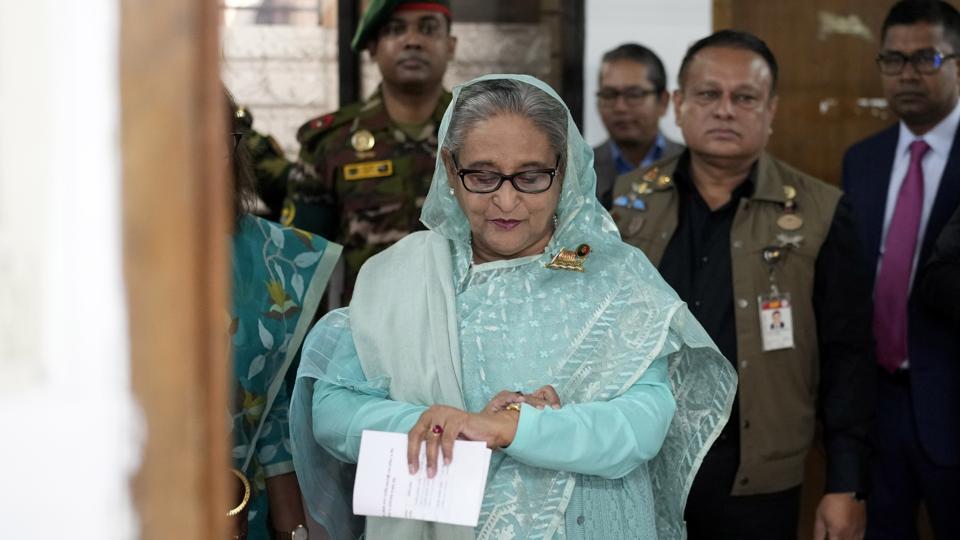
Bangladesh’s Anti-Corruption Commission said on Monday that information from open sources stated the project has been “marred by financial irregularities”. A special team of officials is conducting the inquiry into allegations that Hasina, Wazed and Hasina’s niece Tulip Siddiq, the treasury minister of the UK, embezzled $5 billion from the “overpriced $12.65 billion” nuclear power project through “offshore bank accounts in Malaysia”.
There was no immediate response to the allegations from Hasina, who has been living in India since she stepped down and fled from Dhaka in August, or her Awami League party.
Indian companies are involved in developing infrastructure for the Rooppur nuclear power plant, which is being implemented by Russia’s state-run nuclear agency Rosatom. The plant has been described as the first initiative under an India-Russia deal to carry out atomic energy projects in third countries.
“It is alleged that these individuals siphoned offs substantial sums of money through various offshore accounts in Malaysia, following questionable procurement practices related to the overpriced construction of the entire nuclear plant,” the Anti-Corruption Commission said.
The project, launched with the “noble goal of addressing Bangladesh’s growing energy needs”, is now “overshadowed by these serious allegations”, the commission said. The “claims of kickbacks, mismanagement, money laundering, and potential abuse of power raise significant concerns about the integrity of the project”, it said.
The Anti-Corruption Commission said it has also begin another inquiry against Hasina, Sajeeb Ahmed Wazed, Tulip Siddiq, and Hasina’s sister Sheikh Rehana regarding alleged corruption amounting to 80,000 crore Bangladeshi Taka in nine projects, including the Rooppur nuclear power plant and Special Ashrayan Project.
Siddiq was questioned by the UK Cabinet Office’s propriety and ethics team after Bangladesh’s Anti-corruption Commission accused her and family members of embezzlement in connection with the nuclear power plant, The Guardian reported on Monday.
The Labour MP, who denied allegations that she helped broker a deal with Russia to build the project, reportedly told a government official that she was the victim of a “political hit job”, the report said.
The latest allegations against Hasina came days after Bangladesh’s Commission of Inquiry on Enforced Disappearance alleged India was involved in enforced disappearances in that country.
“Indian involvement in Bangladesh’s system of enforced disappearances is a matter of public record,” the commission said in a report handed over to interim government chief Muhammad Yunus on December 21. The commission further alleged it found intelligence information about the “practice of captive exchanges” between India and Bangladesh.
The commission said there was a suggestion in law enforcement circles that some Bangladeshi prisoners might still be in Indian jails. “We recommend the ministries of foreign and home extend their best efforts to identify any Bangladeshi citizens who may still remain incarcerated in India,” the report said.
The Indian side is yet to respond to these allegations, which came at a time when relations between New Delhi and Dhaka are at a new low. The Indian side has expressed concern at the persecution of Hindus and other minorities in Bangladesh and asked the interim government to ensure their rights.