
 E-Paper



Contracts worth £5 billion at stake, UK tried to ban Sikh march after Indira Gandhi’s assassination
Classified files released this week following a tribunal’s ruling in June reveal that foreign secretary Geoffrey Howe in the Margaret Thatcher government was keen to avoid “serious repercussions” in India and “stir up anti-British feelings” by allowing the march


Days after Indira Gandhi’s assassination in October 1984, there was such concern about a march by Sikh extremists in London that efforts were made to change law so that it could be banned, since permitting it could put contracts worth £5 billion at risk.
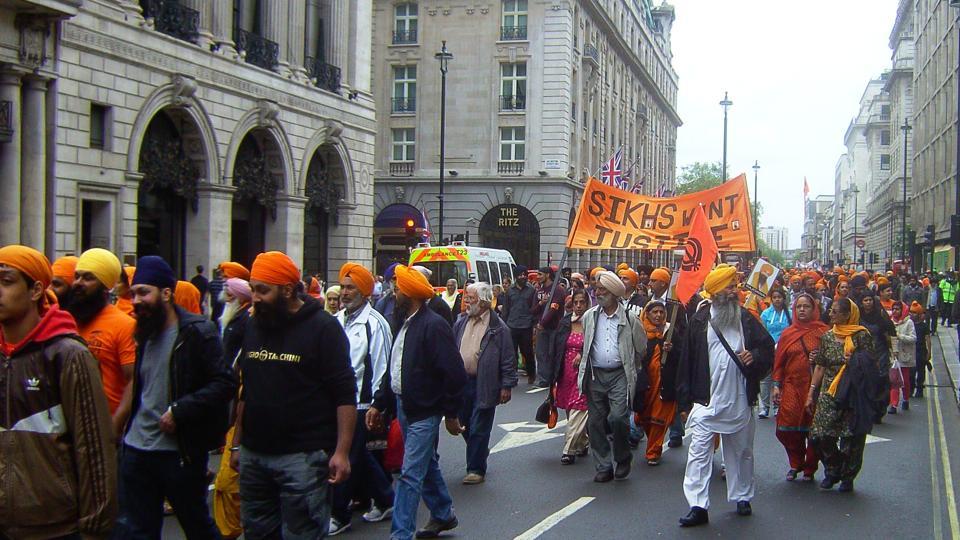
Classified files released this week following a tribunal’s ruling in June reveal that foreign secretary Geoffrey Howe in the Margaret Thatcher government was keen to avoid “serious repercussions” in India and “stir up anti-British feelings” by allowing the march.
The files have been released following a protracted legal battle under the freedom of information act by journalist-researcher Phil Miller, who in 2014 highlighted Britain’s alleged role in Operation Bluestar, and sought the release of more files that were held back.
Miller said on Sunday: "There are some disturbing details in the new documents about how some British politicians tried to disregard the civil liberties of UK Sikhs in order to secure trade with India. But overall it is now clear that the Cabinet Office has managed to avoid releasing any more material about Operation Bluestar.”
“I suspect the outcome of this case will only add to calls for a public inquiry to get to the full truth about UK involvement in the build up to and aftermath of Operation Bluestar.”
Leonard Appleyard, Howe’s private secretary, wrote to the Home Office November 21, 1984: “Such a march would also undoubtedly have serious repercussions in India. It could help to inflame inter-communal feeling there. It would certainly serve to stir up anti-British feeling, of which there has already been evidence, so putting British property and even lives at risk in India.”
“It will also further intensify the Indian government's resentment against the UK and unwillingness of HMG (Her Majesty’s Government), as they see it, to do anything to curb the activities of Sikh extremists in this country. Contracts which would be potentially at risk from a trade boycott amount to some £5 billion.”
Appleyard wrote that there was a “clear preference” in the Thatcher cabinet for a ban on the march and sought a new provision in the Public order act 1936.
But the Home Office turned down the suggestion, saying that “it would put a potent weapon, potentially damaging to valued traditions of free speech in this country, into the hands of foreign governments, and not only friendly foreign governments.”
Nearly 35 years later, New Delhi has reiterated its protest against London allowing elements opposed to India to hold events in the United Kingdom: a demarche has been issued against a London event of a pro-Khalistan organisation called Sikhs For Justice on August 12.
However, official sources here say there are no plans to ban it.


