The rise of fentanyl, an anesthetic turned street drug, has brought on the most dangerous phase yet in the decades-long US opioid epidemic, driving record rates of fatal overdoses even higher. Fentanyl is claiming the lives not just of people with an opiate addiction but also users of cocaine, methamphetamines and other drugs to which it’s added. Its consumption spiraled upward during the Covid-19 pandemic. And the threat keeps evolving: Dealers have begun mixing fentanyl with xylazine, a cheap animal tranquilizer that poses its own health risks.
1. What is fentanyl?
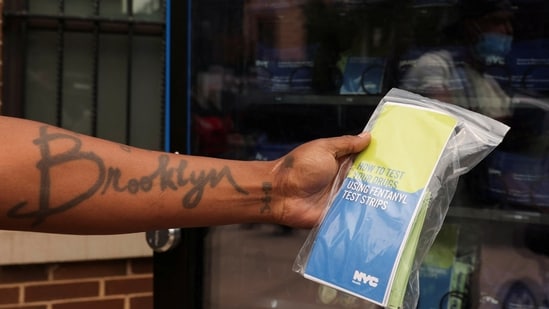
It’s a synthetic form of painkilling opioids like morphine. Originally developed to meet a need for stronger painkillers and used in hospitals for surgeries, fentanyl is now a cheap and abundant ingredient in the illegal drug trade. It’s often used to strengthen or stretch stockpiles of other illicit drugs, or make counterfeit versions of other frequently abused prescription drugs such as Adderall.
2. How deadly is it?
Fentanyl is up to 100 times as powerful as morphine in its prescription form and 50 times as powerful as heroin. Just 2 milligrams, equal to a few grains of salt, can cause a fatal overdose. Drug overdose death rates involving fentanyl more than tripled in the US from 2016 to 2021, reaching almost 22 per 100,000 people in 2021. US Drug Enforcement Administration chief Anne Milgram has described fentanyl as “the single deadliest drug threat our nation has ever encountered.”
3. Where does it come from?
Much illicit fentanyl is manufactured abroad and smuggled into the US through Mexico, according to the DEA. Government representatives from Mexico and the US in April pledged to work together to address the supply chain for fentanyl, including the chemicals that are its raw ingredients. But those chemicals are globally available, and many experts think the trade’s huge profits make it likely that a crackdown in one place will just lead to new sources of supply. In 2019, China moved to declare fentanyl and its precursor chemicals controlled substances at then-President Donald Trump’s urging, but the change simply ended up diverting more of the trade through Mexico.
4. How did its use spread?
{{/usCountry}}Much illicit fentanyl is manufactured abroad and smuggled into the US through Mexico, according to the DEA. Government representatives from Mexico and the US in April pledged to work together to address the supply chain for fentanyl, including the chemicals that are its raw ingredients. But those chemicals are globally available, and many experts think the trade’s huge profits make it likely that a crackdown in one place will just lead to new sources of supply. In 2019, China moved to declare fentanyl and its precursor chemicals controlled substances at then-President Donald Trump’s urging, but the change simply ended up diverting more of the trade through Mexico.
4. How did its use spread?
{{/usCountry}}The current drug crisis has unfolded in three waves, US health officials say. In 1996, Purdue Pharma LP introduced OxyContin, a form of oxycodone, as a safer alternative to existing opioids; by 2001 its annual sales had surged to $1 billion. In 2007, Purdue paid $600 million in fines for misbranding the product as less addictive than other painkillers. In 2010, it released a reformulated version that was harder to crush or dissolve, as many users had been doing to replace the intended effect with an instant high. Some of those addicted to legal painkillers began turning to heroin, triggering a surge in its use. Dealers eventually began lacing heroin with cheaper fentanyl and then turned to selling fentanyl by itself, sometimes mixed with inert materials such as flour or baking soda.
5. What impact did the pandemic have?
Driven into boredom and isolation by the pandemic, many Americans turned to illegal drugs. The increase in fatalities was fastest from 2019 to 2021, as deaths from overdoses rose in general. Opioid overdoses took the lives of 80,000 Americans in 2021, the last year with official final numbers, and synthetic opioids like fentanyl played a role in 88% of those. The pandemic also saw a shift in who was using fentanyl, officials say, as the rate of opioid deaths among Black people passed the rate among White people. Overdoses among Black teenagers and young adults increased 86% between 2019 and 2020, primarily driven by fentanyl, according to the Centers for Disease Control and Prevention; it was the largest jump among any group analyzed by age or race.
6. What about xylazine?
Xylazine, the animal tranquilizer, can lethally depress breathing and blood pressure. It also constricts blood vessels, creating low oxygen levels that can make wounds grow worse, sometimes leading to limb loss. Because it’s not an opioid, emergency treatments given for heroin or fentanyl overdoses, such as naloxone, don’t work on xylazine. The sedative, which comes at a small fraction of the cost of wholesale fentanyl, is not a controlled substance and is readily available through websites that don’t verify veterinary need for the product, the DEA said in a 2022 report. While US wholesale prices for a kilogram of heroin or fentanyl run to the tens of thousands of dollars, according to the United Nations Office on Drugs and Crime, the same amount of xylazine can be purchased from Chinese suppliers for $20 or less. It was implicated in more than 3,000 overdose-related deaths in the US in 2021, a number health officials say is likely an undercount. The White House designated the sedative’s combination with fentanyl an emerging threat in May, convening an interagency working group to develop a national response.
- A Journal of the American Medical Association article analyzing 50 years of heroin use.
- Results from the 2017 National Survey on Drug Use and Health.
- The Drug Enforcement Administration’s threat assessment for 2018.
- A Cincinnati Enquirer series on “Seven Days of Heroin.”
- A Bloomberg News article on surgeons working to reduce the use of painkillers by their patients.
- A seven-point plan for fighting the epidemic outlined in a column by Michael R. Bloomberg, the founder and majority owner of Bloomberg LP, the parent company of Bloomberg News.