
 E-Paper



FATF report pans ‘greylisted’ Pakistan, says not taken ‘sufficient’ steps
Financial Action Task Force, or FATF’s Asia affiliate, the Asia-Pacific Group (APG) report also skewered Pakistan’s central bank and its market regulator for not having a clear understanding of terror financing.


Islamabad “has not taken sufficient” measures to fully implement the United Nations Security Council resolution 1267 action against all listed individuals and entities particularly those associated with Hafiz Saeed-founded terror groups Lashkar-e-Taiba and Jamaat-ud-Dawa, according to the latest report of the global anti-terror financing group.
Financial Action Task Force, or FATF’s Asia affiliate, the Asia-Pacific Group (APG) report also skewered Pakistan’s central bank and its market regulator for not having a clear understanding of terror financing.
“Pakistan faces significant risks of terror financing both from legitimate and illegitimate sources” as well as weak, regulation and supervision of certain sectors, the report said.
The stinging report comes ahead of FATF’s big plenary meeting between October 13 and 18 where Pakistan, already greylisted for its inability to curb terror financing, faces the possibility of being blacklisted.
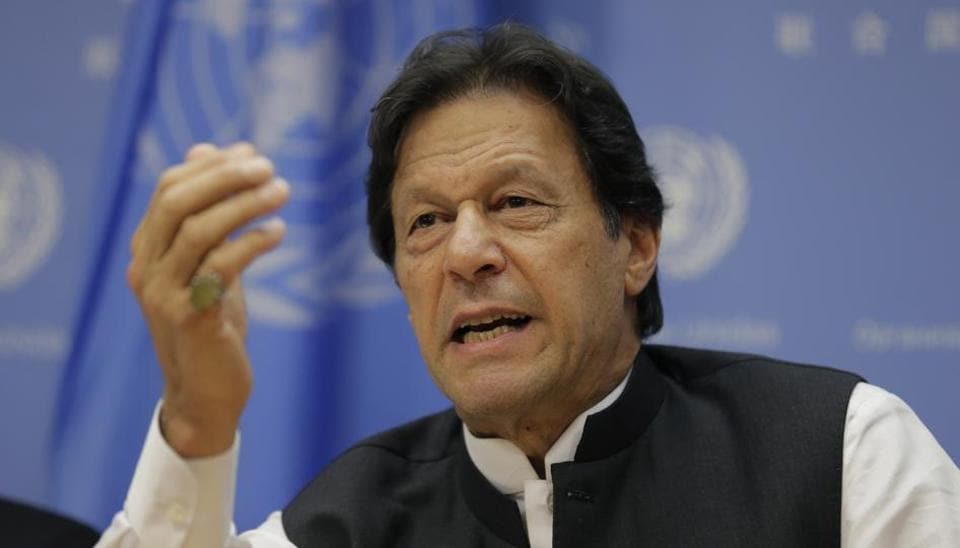
It is a prospect that has had Pakistan Prime Minister Imran Khan worried. Khan, speaking at the UN General Assembly session last month that he used to target New Delhi, had complained that India was pushing Pakistan into the FATF blacklist that would lead to sanctions on his country.
Khan told the UN General Assembly that it was on account of India’s role at FATF meetings that he backed out of his peace overtures towards India. “So they were trying to bankrupt us economically, so that’s when we pulled back. And that’s when we realised that this government is on an agenda ... to push Pakistan to disaster,” Khan told the UN.
Indian counter-terror officials say New Delhi did not expect the FATF to go as far as blacklisting Pakistan, irrespective of the findings of the Asia-Pacific Group’s Mutual Evaluation Report. The FATF president’s chair this year has gone to Beijing’s Chinese banker Xiangmin Liu, who is expected to put his weight behind protecting Pakistan’s interests.
Besides, Turkey and Malaysia - two countries that had supported Pakistan’s narrative over Kashmir in recent weeks - could also help out Islamabad at FATF deliberations. Back in June 2018 when Pakistan was being placed in the greylist, China and Turkey had sought to block this listing. China eventually had withdrawn its objections.
The latest report of the multilateral financial watchdog noted that there were a large number of areas where Pakistan was yet to comply on the 40 parameters that had been listed for it.
Pakistan, the report said, should adequately “identify, assess and understand” its money laundering/terror financing risks including risks associated with terrorist groups “operating in Pakistan” such as Al Qaeda, Jamaat-ud-Dawa, Falah-i-Insaniat Foundation, Lashkar-e-Taiba and Jaish-e-Mohammed.


