
 E-Paper



Global Covid deaths drop by 9%, Omicron subvariant BA.5 remains dominant: WHO
Infection rates saw a drop by over 20 per cent in the Americas and the Middle East, and by 46 per cent in Africa in last week. The numbers , however, rose by 30 per cent in WHO's Western Pacific region that includes Australia, China, Hong Kong and other nations.

 Prefer HTon Google


In its latest weekly Covid-19 pandemic report released on Wednesday, the World Health Organization (WHO) revealed that the number of fatalities due to the virus dropped overall by 9 per cent in the last week while fresh infections stayed relatively stable.
The UN health agency said that there were over 14,000 Covid-19 deaths in last week and almost 7 million fresh cases were logged across the globe, according to an Associated Press report. Infection rates witnessed a dip by more than 20 per cent in the Americas (both North and South America) and the Middle East, and by 46 per cent in Africa. In the Western Pacific, however, Covid-19 cases rose by 30 per cent.
Australia, New Zealand, Philippines, Malaysia, Japan, Hong Kong, Cambodia, South Korea and China are some of the countries that come under the bracket of WHO's Western Pacific region.
Also Read | New ‘Langya’ virus hits China as 35 people found infected: How deadly is it?
Despite seeing a drop in fresh infections, deaths due to Covid-19 saw a spike in the Middle East by 19 per cent, according to the WHO weekly report. In Africa, Covid fatalities dropped by more than 70 per cent, in Europe it went down by 15 per cent, and the Americas saw a 10 per cent reduction, the Associated Press report added.
The UN health agency stated that the Omicron subvariant BA.5 continues to remain dominant worldwide, contributing nearly 70 per cent to all virus sequences shared with the world's biggest publicly available virus database. The WHO added that other Omicron subvariants such as BA.4 and BA.2, appear to be decreasing in prevalence as BA.5 takes control.
The WHO, however, cautioned that its assessment of global Covid-19 trends continue to be compromised by nations withdrawing many of their testing, surveillance and sequencing efforts as a majority of them have relaxed pandemic restrictions.
China, however, remains strict in its stance on zero Covid policy that saw the country imposing fresh restrictions this week after cases were reported in Hainan and Tibet. Authorities also closed Tibet's famous Potala Palace following a minor Covid-19 outbreak in the Himalayan region.
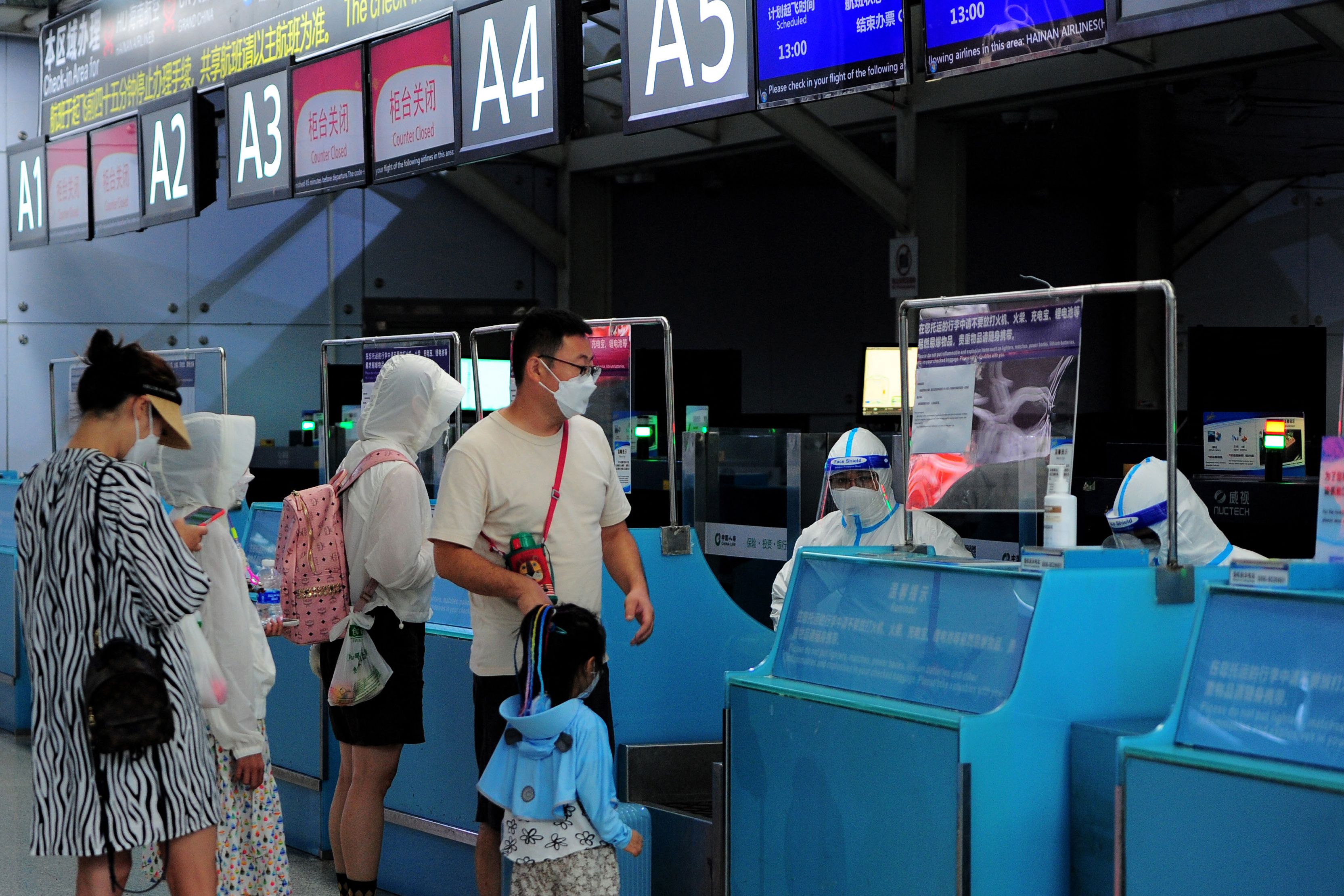
China also locked down several other cities, including beach resort Sanya, causing nearly 80,000 tourists getting stranded there as authorities declared the region a Covid-19 hotspot. People were required to test negative five times within a week before being permitted to leave.
On Tuesday, the first planeload of as many as 125 of the stranded tourists flew out of Sanya, with Chinese officials saying other flights would be organised in batches once the people fulfil the criteria to leave.


