
 E-Paper



How Amazon built a data center in a California town without anyone noticing
The company and Gilroy, Calif., officials spent years quietly negotiating a $2 billion project that few residents knew about until construction began


 Prefer HTon Google


Furious residents packing city-council meetings have become a familiar scene as proposals for data centers spark backlash in towns across America. But in Gilroy, Calif., known as the world’s garlic capital, there’s a twist: The $2 billion facility that residents are railing against is already being built.
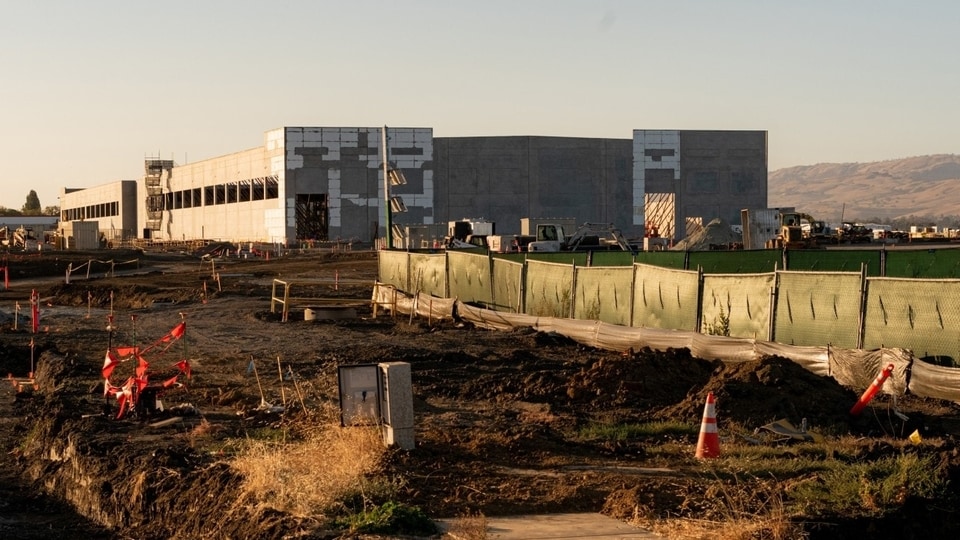
“Many if not most residents first learned about this project after construction had already begun,” Coleen Crew, an elementary-school teacher, told the council at a recent meeting.
There were no public meetings or votes before a lone city staffer gave Amazon.com the green light last July to build a 438,500-square-foot data center on 56 acres of farmland 30 miles south of San Jose.
With public outcry growing over data centers nationwide, local officials and developers have found quieter ways to get projects approved. Some government leaders signed nondisclosure agreements early in the process; others have simply steered projects through local zoning codes that sidestep public scrutiny altogether.
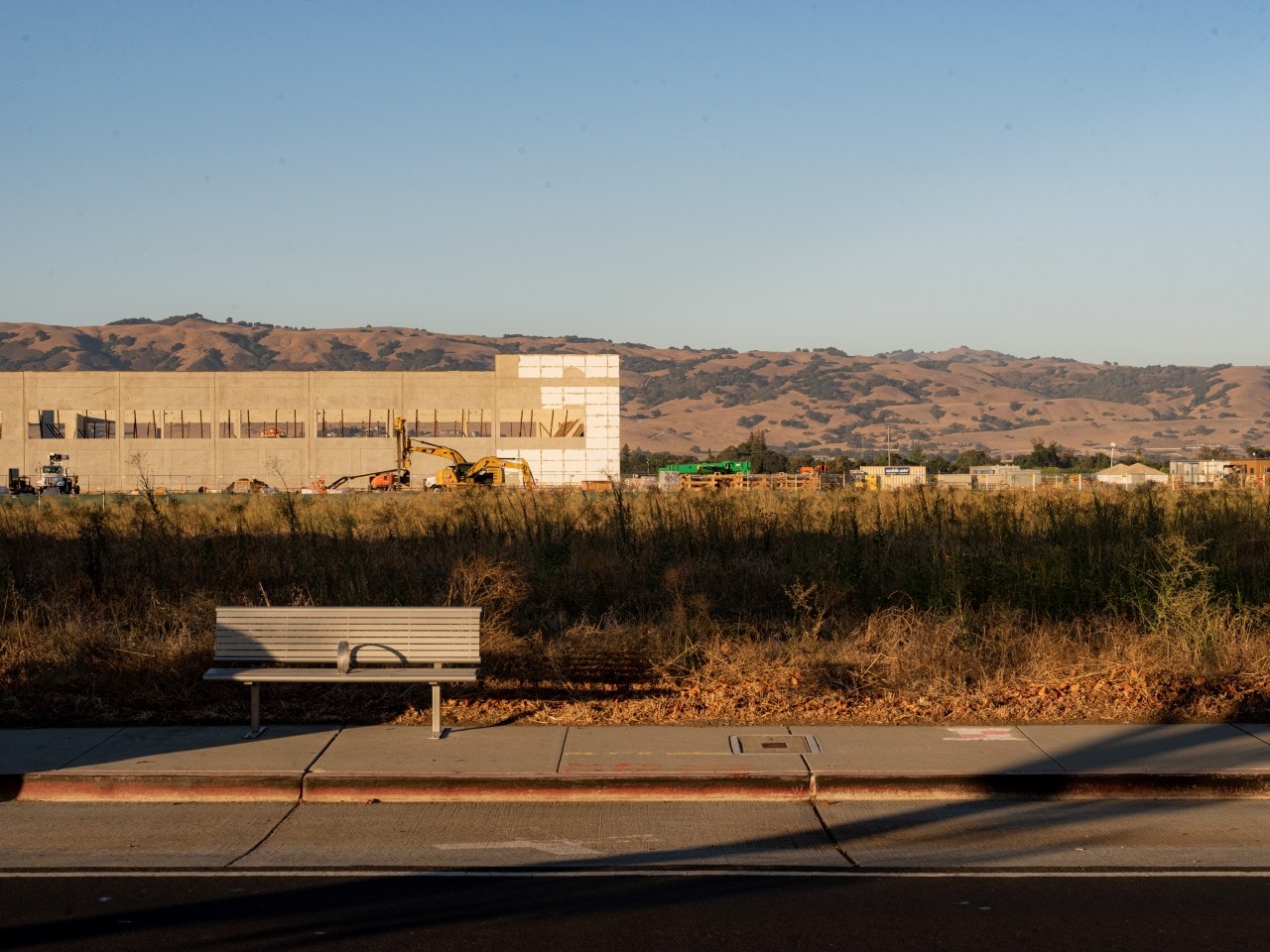
In the farming community of Gilroy, Amazon’s project was approved with a single signature—by the town’s community-development director—because it met zoning criteria set 45 years ago for industrial development along a freeway.
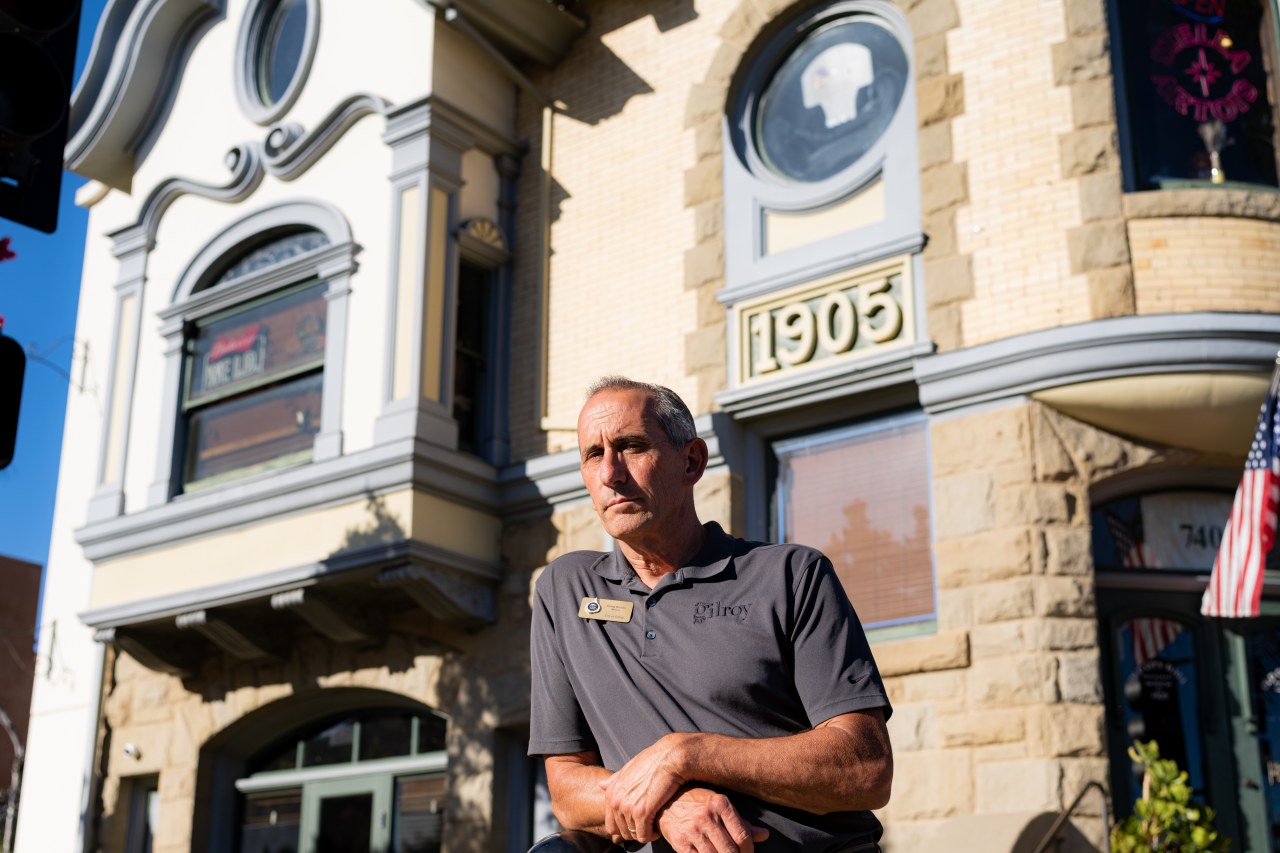
Mayor Greg Bozzo said other big industrial projects have been approved in the same manner over the years, but didn’t cause any uproar.
“It didn’t bother them that a food-distribution center came to Gilroy without their engagement, but now it bothers them that a data center is coming to Gilroy without them having the possibility of engagement,” Bozzo said.
Roger Wehner, vice president of economic development at Amazon Web Services, said the project went through a long approval process that included public notices and public-comment periods.
“While the project followed standard approval processes for an industrially zoned parcel, we recognize the community wanted more engagement sooner, and we take that seriously,” Wehner said. “We’ve since met directly with residents and hosted an open house to hear feedback and answer questions.”
The swell of local outrage has also pushed city officials to reconsider how they permit big projects like data centers in the future. The council is mulling a proposal that would require similar ventures to win approval from the city’s planning commission. It would mandate that developers hold community meetings and notify people living nearby.
“We…have an opportunity to change the way that we do business in Gilroy,” the mayor said. “We’re adapting to the times.”
Amazon Web Services applied to build the data center in 2020, after buying a swath of land between a Walmart Supercenter and the Gilroy Premium Outlets. The city conducted a lengthy environmental review of the project, an onerous process developers elsewhere have sought to avoid.
But with no public meetings and scant media coverage, few residents even knew the project was under way.
Emails obtained by The Wall Street Journal detail how Amazon and the city quietly hammered out a deal over five years. Amazon officials sometimes grew impatient with the slow pace of government bureaucracy: “Our project has faced multiple delays and is now delayed by over a year,” a company representative said in the spring of 2025. City workers, in turn, sometimes appeared to tire of the company’s pushiness during negotiations: “this matter is no longer up for discussion,” one wrote.
Throughout, both sides were careful about what they shared with the public. When residents raised concerns in January of this year about the potential for battery fires like one in nearby Moss Landing, Gilroy’s fire marshal wrote that “we should be careful to limit the level of technical detail that is distributed publicly” because Amazon’s fire-suppression systems were proprietary. An Amazon official responded that he would figure out what they were “allowed to share with the public.”
After word spread about the data-center project earlier this year, Gilroy resident Rosa Rodriguez wrote to city staff in February, asking to comment on the environmental-review report, saying “the damages data centers can cause are irreparable especially when it comes to a state facing drought.” A city planner informed her that the comment period had closed in September 2024, according to the emails.
“These processes were not enough for the citizens of Gilroy to do anything about it,” said Landon Sepulveda, a 21-year-old college student who has helped organize opposition to the project.
Residents in this drought-scorched community are particularly concerned about water use, Sepulveda said: The data center will be using clean water until a system for using wastewater is built.
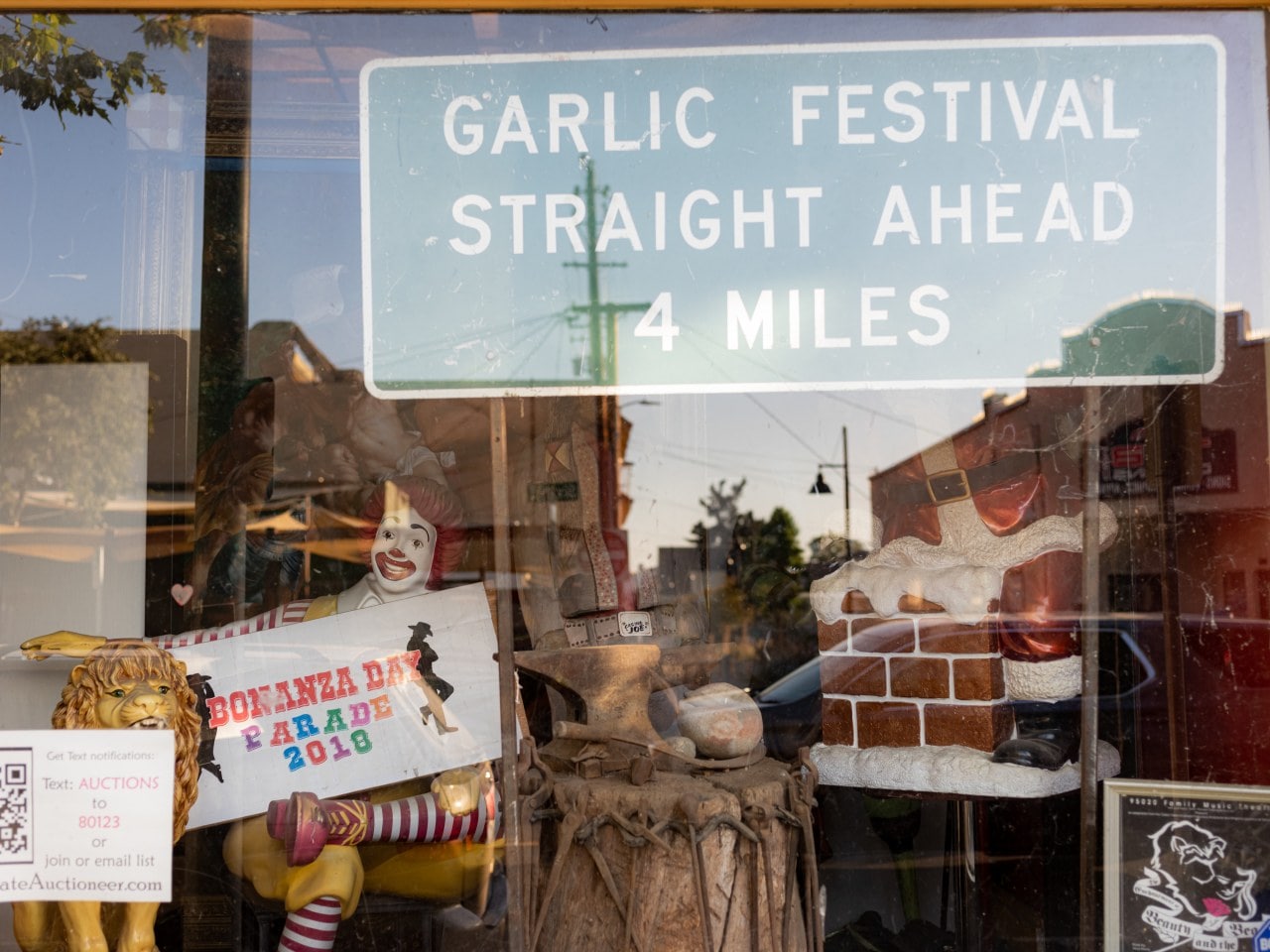
Mayor Bozzo countered that Amazon has promised to build a pipeline, on its own dime, to bring wastewater to the data center. He touted other benefits: more tax revenue, construction jobs and $1 million from the company for the city to buy a new firetruck. Amazon also handed out grants to local nonprofits and sponsored the annual Gilroy Garlic Festival, Bozzo said.
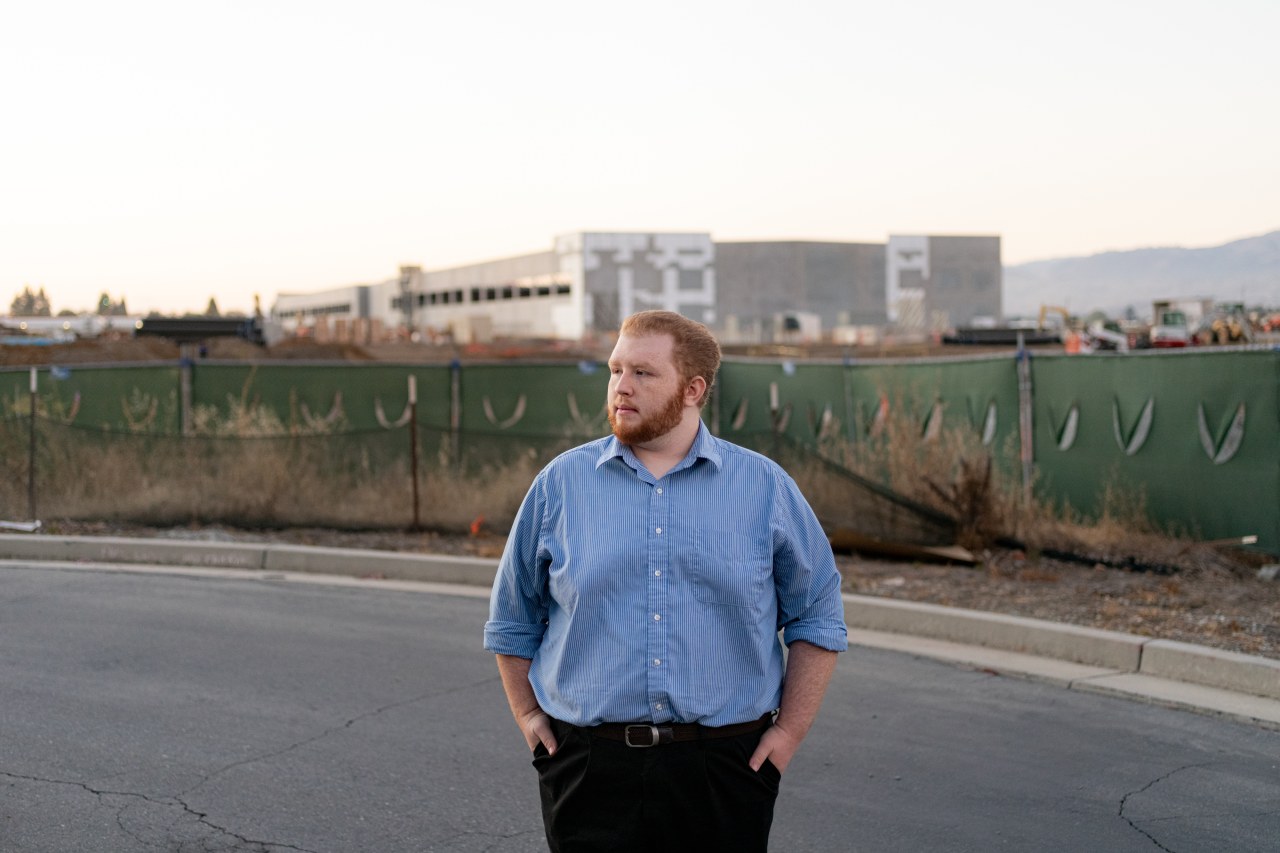
Residents don’t care about garlic-festival sponsorships, Sepulveda said, they just want their city council to tell them about big, important projects and give them a chance to weigh in.
“Everyone has jobs, has lives,” he said. “We’ve elected them to tell us, and we shouldn’t have to watch over their shoulders.”
Write to Zusha Elinson at zusha.elinson@wsj.com


