
 E-Paper



JD Vance's role as a top negotiator in the US-Iran ceasefire | What we know
In the midst of escalating tensions, US Vice President JD Vance has emerged into the spotlight as a crucial negotiator for a ceasefire between the US and Iran.

 Prefer HTon Google


US Vice President JD Vance has emerged as a key figure in efforts to bring about a ceasefire between the United States and Iran, playing an important role in talks happening behind the scenes, even though he was not very visible at the start of the conflict.
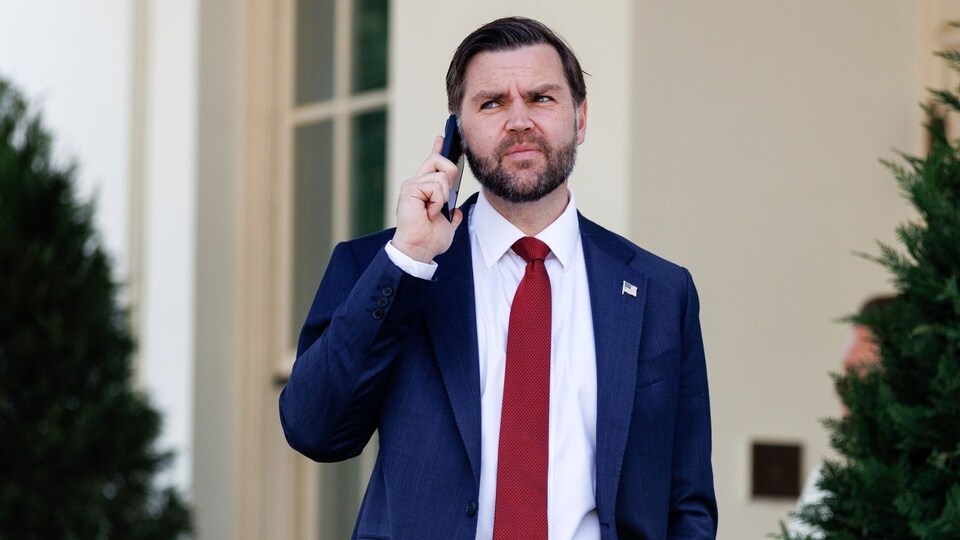
US President Donald Trump publicly confirmed that Vance was among the top officials leading negotiations, along with Secretary of State Marco Rubio, saying, “They’re doing it along with Marco, JD. We have a number of people doing it,” as reported by Al Jazeera.
ALSO READ | ‘Those Blue States’: Trump gives Vance new ‘fraud czar’ role to investigate Democrat-run regions
These talks were part of last-minute efforts to stop the war, with Pakistan acting as a mediator and helping both sides communicate, while Vance quietly emerged as a central figure in efforts to bring the two countries closer to a deal.
Before this, Vance had actually opposed the war strongly, warning that a conflict with Iran could lead to serious problems like loss of lives, instability in the region, and political fallout in the United States, according to several reports citing The New York Times.
ALSO READ | JD Vance spoke to Pak intermediaries about Iran war, said Trump was impatient: Report
Even as the war began, Vance kept some distance from the military campaign, allowing him to later step in as a negotiator without being closely tied to the fighting.
As mediation efforts picked up, Vance was directly involved in high-level talks, including calls with Pakistan’s army chief, US envoy Steve Witkoff, and Iran’s foreign minister, as part of a broader push to stop the war, according to the Al Jazeera report.
Pakistan led these mediation efforts by hosting meetings and coordinating with multiple countries, while trying to get both the US and Iran to agree to a plan that would first reduce tensions and then move towards a full ceasefire.
Iran appeared more open to engaging with Vance compared to some other US officials, partly because he had earlier shown hesitation about the war and was seen as more supportive of diplomacy, the report noted.
ALSO READ | Usha Vance opens up about disagreements with JD Vance amid 4th pregnancy: 'I’m not his staffer'
Eventually, the United States and Iran agreed to a temporary two-week ceasefire just before a deadline set by Trump, marking a pause in the conflict after weeks of fighting.
Vance described this agreement as “a fragile truce” and said it would only work if both sides negotiated honestly, while warning that progress depends on how Iran responds, according to the Associated Press.
He also said that Trump had asked US officials to negotiate in “good faith” but made it clear that the US expected the same from Iran, otherwise there could be consequences.
(With AP inputs)


