
 E-Paper



Key milestone reached in ExoMars mission: All you need to know about joint endeavour to Red Planet
The ExoMars programme is a joint mission between the European Space Agency (ESA) and the Russian State Space Corporation, Roscosmos. The mission will deliver a European rover and a Russian surface platform to the surface of Mars.


The joint European and Russian mission to Mars, scheduled for launch in 2022, reached a key milestone in its preparation as the Rosalind Franklin rover was mated to the Kazachok platform that will land it on the Red Planet. The rover was attached to the Kazachok surface platform for the first time and the fit-check was conducted at the factory of Thales Alenia Space in Cannes, France.
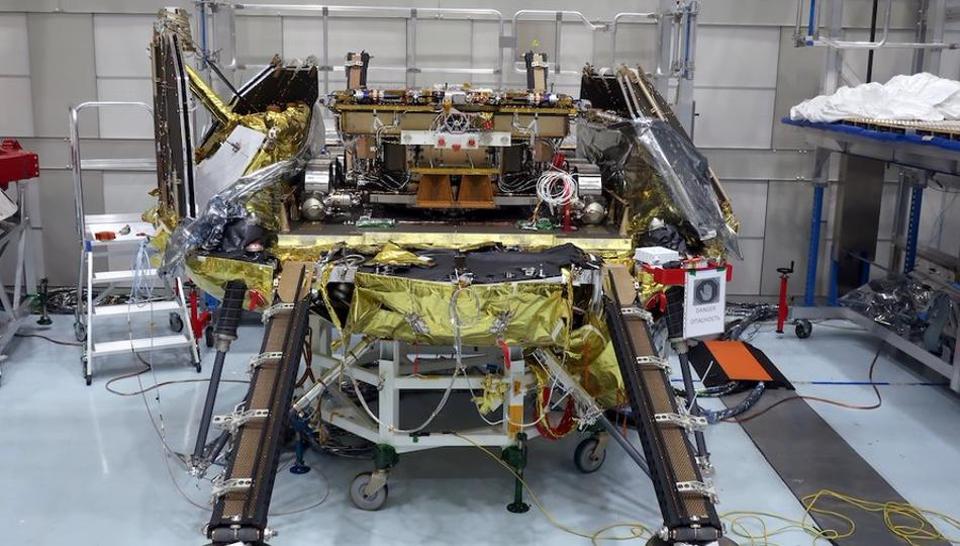
The platform and the rover together form the ‘landing module’, which will be integrated inside the descent module for mass balancing checks. The factory will conduct several tests, including electrical, power and data transfer checks between the two elements, before the rover returns to the TAS cleanrooms in Turin, Italy, for further functional testing. It will be then shipped to the launch site in Baikonur Cosmodrome, an area of southern Kazakhstan leased to Russia.
Also Read | China launches first independent Mars probe, calls it ‘Questions to Heaven’
Here’s all you need to know about the ExoMars Mission 2022:
The ExoMars programme is a joint mission between the European Space Agency (ESA) and the Russian State Space Corporation, Roscosmos. The mission will deliver a European rover and a Russian surface platform to the surface of Mars.
The joint endeavour was supposed to leave Earth in July/August this year but the difficulties in preparing the hardware, in part due to the limitations triggered by the coronavirus disease (Covid-19), caused the delay. The space agencies are now targeting a September 2022 launch window and landing on Mars in June 2023.
Proton rocket will be used to launch the mission and the Rosalind Franklin rover will travel across the Martian surface to search for signs of life. During launch and cruise phase, a carrier module will transport the surface platform and the rover within a single aeroshell. A descent module will separate from the carrier shortly before reaching the atmosphere of the Red Planet.
After landing, the rover will collect samples with a drill and analyse them with next-generation instruments. According to ESA, the mission’s goal is to determine the geological history of the landing site at Oxia Planum, once thought to host an ocean, and to determine whether life could ever have existed on the planet.


