
 E-Paper



‘Kiev inflating regional conflict into World War III’, Russian envoy warns US
Russian Ambassador Anatoly Antonov denies involvement in false-flag provocation at Ukraine's nuclear plant, warns of grave consequences.

 Prefer HTon Google


Russia's ambassador to the United States, Anatoly Antonov, has vehemently dismissed media reports suggesting Moscow's involvement in a false-flag provocation at Ukraine's largest nuclear power plant. In an exclusive interview with Newsweek, Ambassador Antonov alleged that Ukraine was using this narrative to draw NATO into a devastating conflict, cautioning against the grave repercussions that such a situation could entail.
"We call on the curators of the Kiev regime to exercise responsibility and exert influence on their 'wards' in order to avoid a large-scale catastrophe," Antonov told Newsweek. He further emphasized that the failures of the Ukrainian counter offensive were driving them to create a pretext for NATO deployment, potentially inflating a regional conflict into World War III.
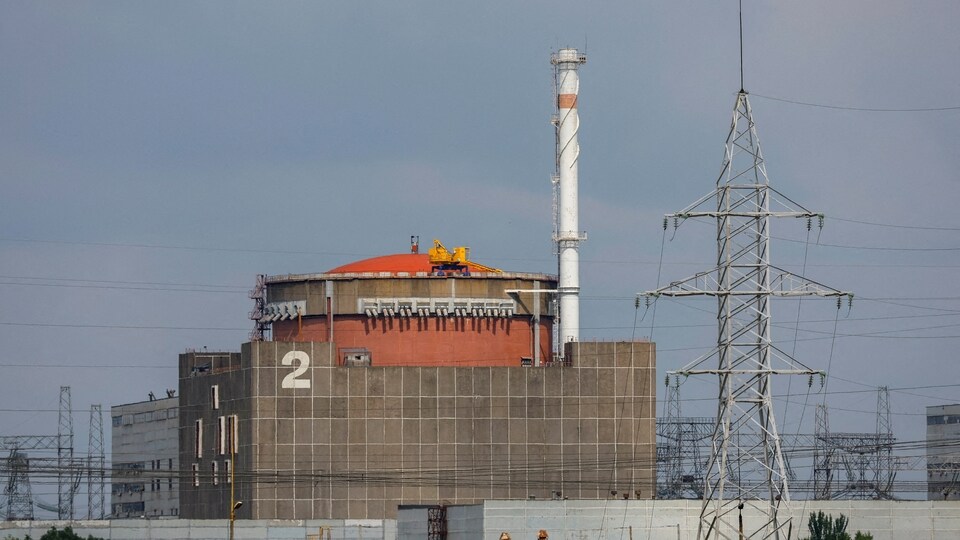
Antonov's comments come in the midst of a fierce exchange of accusations between Russian and Ukrainian officials regarding a planned attack at the Zaporizhzhia nuclear power plant (ZNPP). Ukrainian President Volodymyr Zelensky publicly addressed the issue, asserting that objects resembling explosives were detected on the plant's roof, possibly indicating a simulated attack.
While the United States Department of State acknowledged President Zelensky's claims, a spokesperson expressed concern over Russia's military occupation of the plant. The spokesperson warned that such actions not only compromised nuclear safety but also endangered the lives of Ukrainian staff operating the facility. They urged Russia to withdraw its personnel and return control to Ukrainian authorities to prevent a potential nuclear catastrophe.
Meanwhile, White House Press Secretary Karine Jean-Pierre voiced her concerns over the dangerous situation at the Zaporizhzhia nuclear plant, emphasizing that it should remain a zone free of fighting. However, Jean-Pierre refrained from commenting on a resolution proposed by senators Lindsey Graham and Richard Blumenthal, which would treat any nuclear provocation in Ukraine as a trigger for NATO's Article 5 collective defense clause.
Amidst these allegations and denials, Ambassador Antonov staunchly denied Russia's involvement and labeled such claims as "absurd." He emphasized the presence of Russian and International Atomic Energy Agency (IAEA) personnel at the ZNPP and stressed the protection of the plant's nuclear reactors. However, he acknowledged the vulnerability of other infrastructure facilities such as cooling systems and storage sites for nuclear waste, warning of the potential dangers of any projectile impact.
Also Read | Explosives? Mysterious objects spotted in Russia-occupied Ukraine nuclear plant
Furthermore, Antonov raised suspicions about the timing of the dueling narratives surrounding the Zaporizhzhia situation, connecting them to the upcoming NATO summit in Lithuania. He alleged that Ukraine's authorities sought to exploit a terrorist attack to tarnish Russia's image, divert attention from their own failed counteroffensive, and draw NATO directly into the conflict.
As tensions escalate and the accusations fly between Russia and Ukraine, the world watches anxiously, aware of the dire consequences that any miscalculation or intentional provocation could unleash. The Zaporizhzhia nuclear power plant stands as a symbol of the dangerous game being played, with the international community holding its breath, hoping for a peaceful resolution that can avert a catastrophe of nuclear proportions.


