Chinese authorities have launched a multi-agency probe into Shi Yongxin, the influential abbot of the popular Shaolin Temple, over allegations of embezzlement and other serious misconduct, the temple said. The establishment is revered globally as the birthplace of kung fu and Zen Buddhism.
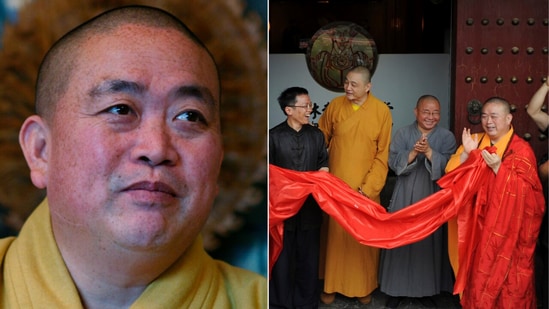
The Shaolin Temple, located in central Henan province, issued a statement on its official WeChat account on Sunday, stating that Shi Yongxin is suspected of “embezzling project funds and temple assets,” news agency AFP reported.
The statement added that the abbot, popularly dubbed the “CEO monk” for overseeing a network of commercial ventures at home and abroad, had “seriously violated Buddhist precepts,” including allegedly engaging in “improper relationships” with multiple women.
“Multiple departments” are involved in the investigation, the temple added.
Past controversies of Shi Yongxin
The 59-year-old has previously faced similar allegations in 2015, including misusing temple-run finances, owning a fleet of luxury cars, and fathering children. At that time, the temple had dismissed those accusations as “vicious libel.”
Despite denials, the current investigation appears more serious, with formal involvement of state authorities.
{{/usCountry}}Despite denials, the current investigation appears more serious, with formal involvement of state authorities.
{{/usCountry}}In China, religious leadership is subject to government approval, and evidence of “improper” behavior can lead to removal from official posts.
The latest investigation has garnered a lot of eyeballs and public interest as a hashtag related to the Shaolin Temple scandal had garnered over 560 million views on Chinese social media platform Weibo, as of Monday morning.
The abbot's last post on his personal Weibo account read: “When one's own nature is pure, the pure land is here in the present.”
Rise of the ‘CEO monk’
Shi Yongxin became the abbot of Shaolin Temple in 1999 and spearheaded the global promotion of Shaolin culture, founding dozens of businesses and cultural initiatives abroad. His efforts earned him criticism for allegedly commercialising Buddhism.
Established in AD 495, the Shaolin Temple is considered one of China’s most sacred religious institutions. Shi was elected vice-chairman of the Buddhist Association of China in 2002 and has served as a representative to the National People’s Congress, the country’s top legislative body.
(With AFP inputs)