New York City health authorities have verified a third fatality associated with the ongoing cluster of Legionnaires' disease on the Upper East Side of Manhattan.
In a Sunday evening update, the New York City Health Department reported that a total of 74 cases have been linked to the outbreak, while investigations are still underway. As of July 19, eight individuals have also been hospitalized. The outbreak has been traced to the Upper East Side areas of Carnegie Hill and Yorkville.
“It is with great sadness that I report a third person has died in connection with the Legionnaires’ disease community cluster on the Upper East Side. Our hearts are with their family and friends as they mourn their loss. Out of respect for their personal privacy, we will not be releasing any additional information about their passing,” Dr. Alister F. Martin, the Health Commissioner of New York City, said in a statement on Sunday, as per Newsweek.
What is Legionnaires' disease?
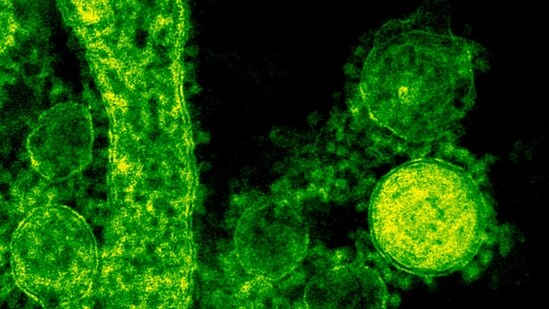
Legionnaires' disease is a serious type of pneumonia that is caused by Legionella bacteria, which flourish in warm water environments. Infection occurs when individuals inhale mist from contaminated water, rather than through the consumption of tainted water. This disease is not transmissible and cannot be spread between individuals.
According to the city's health department, typical symptoms include fever, chills, muscle pain, and cough. Additionally, some patients may suffer from headaches, fatigue, confusion, diarrhea, or a decreased appetite.
Is Legionnaires' disease cluster associated with the city's drinking water system?
{{/usCountry}}According to the city's health department, typical symptoms include fever, chills, muscle pain, and cough. Additionally, some patients may suffer from headaches, fatigue, confusion, diarrhea, or a decreased appetite.
Is Legionnaires' disease cluster associated with the city's drinking water system?
{{/usCountry}}Health officials have reiterated that this cluster is not associated with the city's drinking water system or residential plumbing, assuring residents that it is safe to drink tap water, bathe, shower, and utilize home air conditioning units.
Mayor Zohran Mamdani has also confirmed the safety of the city's tap water.
When asked for a statement regarding the investigation, the New York City Health Department referred Newsweek to the update released on Saturday, which indicated that health department data continues to demonstrate a consistent decrease in newly diagnosed cases, suggesting that the source of exposure to Legionella bacteria has probably been eradicated.
This is not the first occurrence of Legionnaires' disease in New York City in recent years. Between July and August 2025, a Legionnaires' outbreak in Central Harlem resulted in 114 cases, leading to 90 hospitalizations and seven fatalities.
Legionnaires’ disease hotspots map: Which ZIP Codes are affected?
The health department of the city has indicated that the outbreak is primarily located within three ZIP codes on the Upper East Side: 10028, 10128, and 10075. Authorities are advising anyone who resides, works, or has spent time in these areas since late June to be vigilant for symptoms and to seek medical attention if they feel unwell.
On July 14, the health department mandated that 76 buildings with cooling towers that had yielded positive initial PCR screening results undertake cleaning and disinfection of their systems as part of the investigation in the Upper East Side. The department reported that samples had been taken from 183 cooling towers.
By July 16, all 76 buildings confirmed that they had completed the necessary remediation, and the department stated that there were no pending PCR test results as of Saturday.
This marked the first instance in which the city implemented this strategy, according to an update from the health department on Saturday.
In earlier community cluster investigations, buildings with positive PCR results were initially instructed to increase chemical disinfectant levels while waiting for confirmatory culture testing, a process that may take up to two weeks. Comprehensive cleaning and disinfection were typically mandated only after a positive culture result, the department explained.