Queen Elizabeth II, Britain’s longest-reigning monarch, died on Thursday after serving the throne for nearly 70 years. The 96-year-old monarch died at her remote Highlands residence, Balmoral, in Scotland with all her immediate family flying in to be at her side. Queen Elizabeth II was crowned queen of seven countries, and she reigned over 16 nations. She came to the throne at the age of 32 after succeeding her father king George VI in 1952. The fact that the Queen has died in Scotland, rather than in England, has added complex procedures - in what has been dubbed as 'Operation Unicorn' - to her funeral.
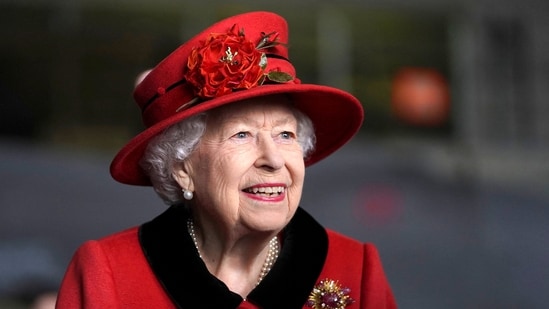
Here's how Operation Unicorn will be carried out:
1. Buckingham Palace already had a plan in place for the Queen’s funeral - codenamed ‘London Bridge' - had she died in London. However, there were special provisions if the monarch died when she was in Scotland, news agency AFP reported.
2. This plan was codenamed ‘Operation Unicorn.’ The name was chosen because unicorn is the national animal of Scotland and forms part of the royal coat of arms, along with the lion of England.
3. The day of Queen Elizabeth II’s death will be referred to as D-Day, while every day following that day will be referred to as D+1 and D+2 and so forth, as per multiple reports.
ALSO READ | Britain's new king: Charles to inherit private fortune of Queen Elizabeth II
{{/usCountry}}ALSO READ | Britain's new king: Charles to inherit private fortune of Queen Elizabeth II
{{/usCountry}}4. Shortly before the Palace announced the Queen's death late Thursday, BBC (British Broadcasting Corporation) presenters changed into black attire, black suits and ties, as part of the protocol. The BBC played the national anthem, “God Save the Queen,” over a portrait of Elizabeth in full regalia as her death was announced, and the flag over Buckingham Palace was lowered to half-staff.
5. As per the ‘Operation Unicorn,’ Queen Elizabeth II's body will be brought from Scotland to Buckingham Palace in London within the first week of her death, NPR reported. The Queen’s body will need to be moved from Balmoral to Holyroodhouse, her residence in the Scottish capital of Edinburgh, to lie in rest for a short time, news agencies said. The body will then be carried in a procession up the Royal Mile, a central avenue, to St. Giles Cathedral for a reception service.
6. Afterwards, Queen Elizabeth II’s body will be taken to London on a royal train from Edinburgh’s Waverley Station. The coffin will be received in the capital by the newly appointed prime minister Liz Truss, and be taken to Buckingham Palace.
7. On the tenth day, a state funeral will be held at Westminster Abbey and there will be a committal service in St. George's Chapel at Windsor Castle. Thereafter, Queen Elizabeth II will be buried in the castle's King George VI Memorial Chapel.
How operation ‘London Bridge’ was to proceed
In operation ‘London Bridge,’ the queen's private secretary was supposed to call the Prime Minister and say the words "London Bridge is down," as per the protocol - following which an announcement by the UK PM was to be made. The news was then to be forwarded to the 15 governments for which the queen is also the head of state, and the 30 other members of the commonwealth as per the operation procedures accessed by UK-based The Guardian.