Former Nepal prime minister K P Sharma Oli has reacted sharply to his arrest, calling the move “retaliatory” and asserting that he will challenge it through legal means, even as the country navigates a fragile political transition following last year’s deadly anti-government unrest.
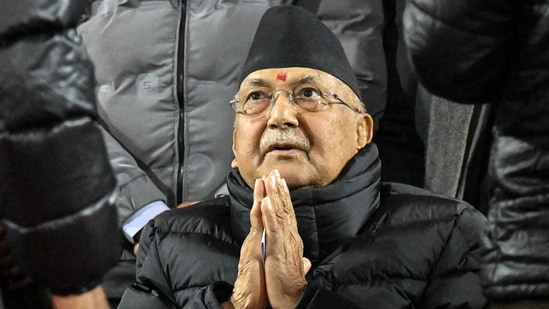
The arrest comes at a crucial moment for Nepal, just a day after a new government led by Prime Minister Balendra Shah was sworn in following the first elections since the 2025 uprising that toppled Oli’s decades-long political dominance.
“This arrest is retaliatory. I will fight it legally, prepare yourselves,” Oli told his lawyers, according to Nepali news site Onlinekhabar.com. It also reported that Oli denied any role in the violence.
Oli was arrested on Saturday morning along with former home minister Ramesh Lekhak over their alleged involvement in a deadly crackdown on protestors in September, police said.
Also Read | ‘No effort to stop firing’: Why Ex-Nepal PM was arrested months after GenZ protests
Why was KP Oli arrested?
“They were arrested this morning and the process will move forward according to the law,” Kathmandu Valley police spokesman Om Adhikari said, AFP reported.
{{/usCountry}}“They were arrested this morning and the process will move forward according to the law,” Kathmandu Valley police spokesman Om Adhikari said, AFP reported.
{{/usCountry}}They have been arrested in connection with a culpable homicide-related case linked to the alleged pushback against GenZ protestors back in September, Kathmandu Post said in a report.
Also Read | Nepal ex-PM KP Sharma Oli arrested over 'role' in GenZ protests, day after Balen's oath
What happened in the Gen Z protests?
At least 77 people were killed in the anti-corruption youth uprising on September 8 and 9, which began over a brief social media ban but quickly escalated into widespread anger over economic hardship.
At least 19 young people were killed in a crackdown on the first day of protests.
The unrest spread nationwide the following day as parliament and government offices were set ablaze, ultimately resulting in the government’s collapse.
During the caretaker administration, a government-backed commission investigating the deadly uprising recommended prosecuting Oli and other officials.
The report said that it was “not established that there was an order to shoot”, but added that “no effort was made to stop or control the firing and, due to their negligent conduct, even minors lost their lives”.