
 E-Paper



Saudi Arabia deports 24,000 Pakistanis over ‘begging’, Dubai sends back 6,000: Report
Dubai sent back around 6,000 individuals, while Azerbaijan deported about 2,500 Pakistani nationals accused of begging.

 Prefer HTon Google


More than 50,000 passengers were offloaded at airports across Pakistan this year for failing immigration checks, a parliamentary panel was told, as Saudi Arabia deported 24,000 Pakistanis over alleged begging and the UAE tightened visa rules citing concerns over “criminal activities”.
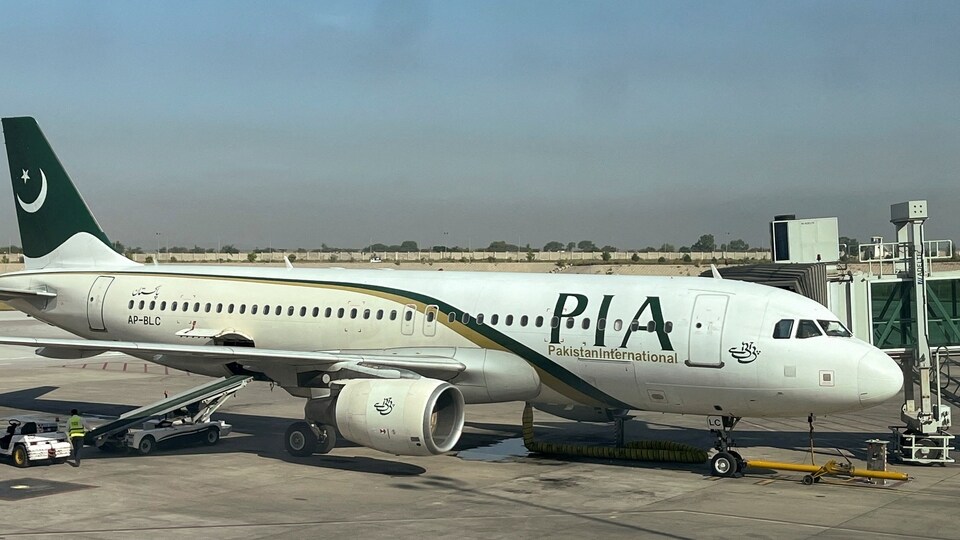
Briefing the committee, chaired by Agha Rafiullah, Pakistan's Director General of the Federal Investigation Agency (FIA) Riffat Mukhtar Raja said that a total of 66,000 passengers were offloaded at various airports during the year.
Dubai sent back around 6,000 individuals, while Azerbaijan deported about 2,500 Pakistani nationals accused of begging, Raja told the committee, according to several reports.
“Passengers are offloaded on the basis of document verification, data checks, and online authentication,” Raja told the panel.
Also Read | Criminal records, fake credentials: Why UAE has stopped issuing visas to Pakistanis
Why were Pakistanis offloaded?
He said that 51,000 of those offloaded were stopped due to “insufficient or unverified documentation”.
Many passengers, he added, did not have complete information related to their courses, universities, or employment details abroad.
“In many cases, passengers attempt to travel through agents using incomplete or incorrect information,” the FIA chief said.
“No passenger was cleared under political influence or VIP pressure,” Raja said.
He further told lawmakers that around 180 FIA officials involved in corruption had been dismissed from service.
“The immigration system is using artificial intelligence to identify suspicious cases in advance,” he added.
Travelers will complete documents are safe: Minister
Earlier this month, Interior Minister Mohsin Naqvi had said, “No passenger with complete travel documents is being stopped from travelling, and they will not be stopped,” adding that passengers carrying “incomplete or bogus” documents would not be allowed to travel.
“No passenger who brings disrepute to the country can be allowed to travel,” he had said.
During the current year, 8.5 million people travelled abroad from Pakistan, while 226 cases were registered for various offences.
“Over the past three months, 450 people were arrested while attempting to cross into Iran illegally,” the DG FIA told the committee.
He also disclosed that several Bangladeshi nationals were found attempting to travel illegally to Europe via Pakistan.
Raja further informed the panel that 287 people were deported last year and 170 this year for using fake documents.
Lawmakers were also told that 24,000 people accused of begging have been deported from Saudi Arabia this year.
Secretary of the Ministry of Overseas Pakistanis Nadeem Aslam Chaudhry told the committee that investment worth $1 trillion is expected to flow into Saudi Arabia under Saudi Vision 2030, creating multiple employment opportunities.
He added that 451,000 Pakistanis travelled to Saudi Arabia last year, while more than 500,000 Pakistanis have gone to the Kingdom during the current year.
Why is there a clamp down?
In November, the UAE suspended regular visa issuance to Pakistani nationals amid concerns over applicants “getting involved in criminal activities”.
The move came after months of complaints by Pakistani travellers about widespread visa rejections.
The development, long speculated due to sustained visa refusals, was formally acknowledged during a meeting, according to Dawn.
A senior Pakistani official admitted that the decision was linked to concerns about Pakistanis travelling to the West Asian nation and “getting involved in criminal activities”.
Last year, Saudi Arabia also warned Pakistan about the growing number of Pakistani nationals entering the Kingdom under the guise of religious pilgrimage and then engaging in begging.
Saudi authorities had called on Islamabad to take immediate action, warning that failure to do so could have negative consequences for Pakistani Umrah and Hajj pilgrims.
News agency PTI reported that the Saudi Ministry of Hajj had formally flagged the issue of an increasing number of beggars entering the country on Umrah visas meant exclusively for religious pilgrims.
Saudi officials expressed concern that such actions were damaging the reputation of Pakistani pilgrims, the report said.


