Saudi Arabia has offered a $1 billion financial package to Yemen’s Houthi rebels as part of efforts to secure a ceasefire and stop attacks on the kingdom’s critical infrastructure, according to a report by Israeli newspaper Israel Hayom. The alleged proposal, which involves Iran acting as a mediator, comes amid escalating regional tensions and disruptions to oil exports.
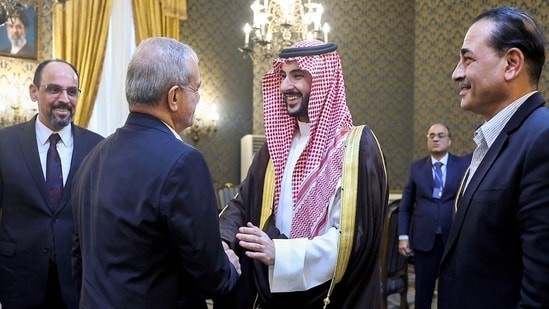
The report, published on Monday, cited Gulf diplomatic sources who said Saudi defence minister Prince Khalid bin Salman travelled to Tehran for discussions aimed at ending Houthi attacks on Saudi territory. One source claimed that the minister brought the money aboard a Hercules military transport aircraft.
ALSO READ | Yemen's Houthis claim to have attacked Saudi defence ministry in Riyadh
Saudi Arabia confirms diplomatic engagement with Iran
Saudi Arabia’s foreign ministry confirmed that Prince Khalid bin Salman visited Tehran alongside representatives of countries met with the Mecca Joint Defence Alliance. Its statement, though, did not mention the alleged $1 billion offer or confirm that a financial agreement with the Houthis had been reached.
The ministry said the visit was part of efforts to reduce tensions, promote dialogue and pursue diplomatic solutions. It also referred to mediation efforts involving Qatar and Pakistan.
{{/usCountry}}The ministry said the visit was part of efforts to reduce tensions, promote dialogue and pursue diplomatic solutions. It also referred to mediation efforts involving Qatar and Pakistan.
{{/usCountry}}The discussions reportedly brought together senior representatives from Saudi Arabia, Pakistan and Turkey, including Pakistan army chief Field Marshal Asim Munir and Turkish intelligence chief Ibrahim Kalin. Iran was represented by President Masoud Pezeshkian, Supreme National Security Council secretary Mohsen Rezaei and senior officials from the Islamic Revolutionary Guard Corps (IRGC).
ALSO READ | Egypt's military support to Saudi a 'declaration of war': Houthi official
According to Israel Hayom, Iran offered to facilitate negotiations between Riyadh and the Houthis as part of efforts to contain the conflict in Yemen and reduce attacks on Saudi targets.
Why $1 billion is on the table
The proposed financial package is linked to earlier understandings between Saudi Arabia and the Houthis, according to the report. A Saudi official told Israel Hayom that the dispute partly stems from the failure to implement agreements reached around three years ago.
Under those understandings, Saudi Arabia was expected to provide financial assistance to help facilitate a political settlement. The proposed assistance was intended, among other purposes, to support the payment of public-sector salaries in Houthi-controlled areas and the reconstruction of civilian infrastructure.
In return, the Houthis were expected to maintain a ceasefire and stop attacks on Saudi Arabia.
The Houthis have reportedly cited Saudi Arabia’s alleged failure to honour those commitments to justify renewed attacks. The latest diplomatic initiative is aimed at addressing the dispute, although the precise terms of any proposed agreement remain unclear.
Attacks on Saudi infrastructure raise economic pressure
Houthi strikes on Saudi airports and oil facilities have added to the economic and security challenges facing the kingdom. The attacks have also threatened the stability of energy supplies at a time when the wider Gulf region is experiencing significant disruption.
Tensions involving Iran and attacks on shipping in the Strait of Hormuz have affected the movement of oil tankers through one of the world's most important energy transit routes. Any prolonged disruption could have wider implications for global oil supplies and prices.
ALSO READ | Missile debris falls in Mecca, Medina after Saudi intercepts Houthi strikes; rebel group denies attack
According to the report, Houthi attacks have also forced the closure of Riyadh airport for several days and contributed to the postponement of a major investment conference. These developments have increased the urgency of efforts to restore security and maintain the flow of energy exports.