E-Paper



Sri Lankan president Rajapaksa speaks to PM Modi ahead of crucial vote at UNHRC
The UNHRC is expected to vote on March 19 on a resolution critical of Sri Lanka’s failure to address human rights violations that occurred during the island nation’s war with Tamil Tiger rebels. India has not yet indicated whether it will back Sri Lanka in the crucial vote.


Prime Minister Narendra Modi and President Gotabaya Rajapaksa on Saturday discussed cooperation at multilateral forums, days ahead of an expected vote on Sri Lanka’s human rights record at the UN Human Rights Council (UNHRC).
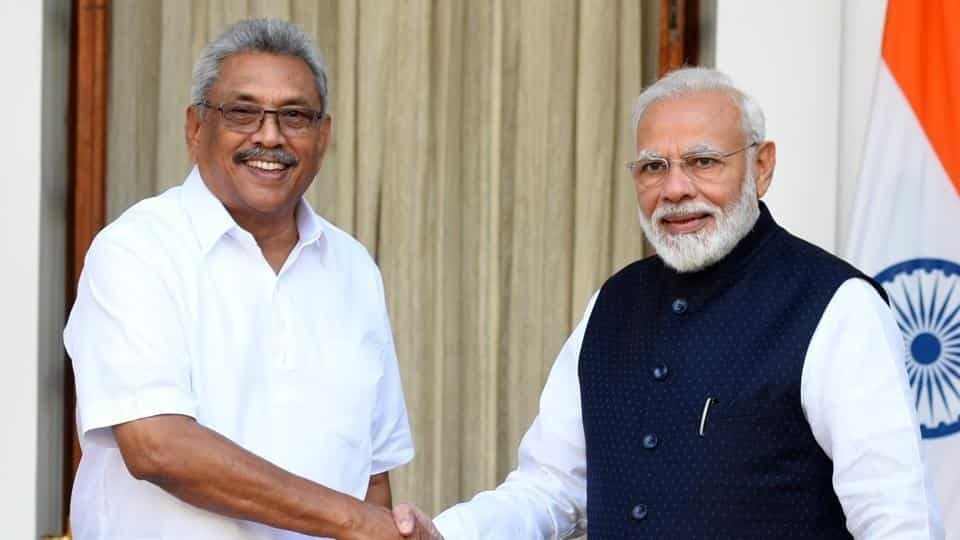
Modi and Rajapaksa “reviewed topical developments and the ongoing cooperation between both countries in bilateral and multilateral forums”, the external affairs ministry said in a readout on the phone call between the two leaders. It didn’t give further details.
The leaders “agreed to maintain regular contact between relevant officials, including in the context of the continuing Covid-19 challenges”. Modi also reiterated Sri Lanka’s importance to India's “Neighbourhood First” policy.
The UNHRC is expected to vote on March 19 on a resolution critical of Sri Lanka’s failure to address human rights violations that occurred during the island nation’s war with Tamil Tiger rebels. India has not yet indicated whether it will back Sri Lanka in the crucial vote.
The resolution was framed by a group of countries, including the UK and Germany, in response to a report released by the office of the UN high commissioner for human rights in January.
The report said nearly 12 years after the armed conflict in Sri Lanka ended, impunity for grave human rights violations and abuses by all sides is more entrenched than ever, and the Rajapaksa government is “proactively obstructing” investigations and trials, and reversing limited progress that was made previously.
The report called for enhanced monitoring and strong preventive action by the world community and warned that “Sri Lanka’s current trajectory sets the scene for the recurrence of the policies and practices that gave rise to grave human rights violations”.
In a debate that followed the formal presentation of the report to the UNHRC last month, many countries were severely critical of Sri Lanka’s handling of the matter. Sri Lanka was defended only by a handful of nations, including Russia and China.
Sri Lanka’s foreign minister Dinesh Gunawardena, while speaking in the debate, called on countries to reject the resolution, which he said was a “pure political move”. Sri Lanka has also rejected the report.
While participating in the two-day debate, India’s permanent representative to the UN in Geneva, Indra Mani Pandey, noted that the high commissioner’s report had raised “important concerns”.
Pandey also highlighted India’s concerns regarding the aspirations of Sri Lanka’s Tamil minority – an issue with considerable resonance in Tamil Nadu, especially ahead of the state elections.
“The assessment of the high commissioner regarding developments nearly 12 years from the end of the conflict raises important concerns. The Sri Lankan government has articulated its position on these issues as well. In evaluation of both of these, we should be guided by a commitment to find a lasting and effective solution for this issue,” Pandey said.
India’s position in the matter is based on support for Sri Lanka’s unity and territorial integrity, and an abiding commitment to the Tamil minority’s aspirations for equality, justice, peace and dignity, he said.
“These are not either-or choices. We believe that respecting the rights of the Tamil community, including through meaningful devolution, contributes directly to the unity and integrity of Sri Lanka. Therefore, we advocate that delivering on the legitimate aspirations of the Tamil community is in the best interests of Sri Lanka,” Pandey said.
These developments also come at a time when India and Japan are upset with Sri Lanka for reneging on a 2019 tripartite agreement for developing the East Container Terminal at Colombo port. The Sri Lankan government scrapped the deal last month following pressure from labour unions that were opposed to the project.
Sri Lanka has instead offered to develop the West Container Terminal with investors from India and Japan. In response, the Indian government has said it sees no role for itself in this project.