US President Donald Trump said he remains open to talks with Iran in the coming week, a day after he reportedly rejected a peace plan shared by Tehran to reopen the Strait of Hormuz.
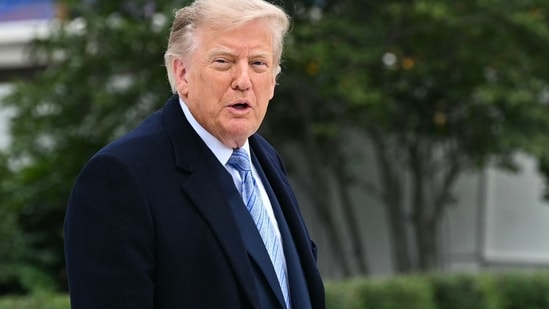
“I expect more talks with Iran (this week). They want to make a deal, but it is not the deal that I want to make. It is what we would have maybe agreed to a year ago. They overplayed their hand,” Trump told Axios in a phone interview.
Also Read | ‘They have no money coming in, dying’: Donald Trump claims Iran ready to reopen Strait of Hormuz
Deep Dive
What were Iran's conditions for reopening the Strait of Hormuz in the peace plan?
Why did Trump reject Iran's peace plan for the Strait of Hormuz?
How is Qatar involved in the negotiations between the US and Iran regarding the Strait of Hormuz?
In a typically Trumpian remark, the US president said, “I am always thinking about it,” when asked whether he would resume strikes on Iran.
What was the peace plan shared by Iran?
US envoys Steve Witkoff and Jared Kushner reportedly held negotiations with Iranian foreign minister Abbas Araghchi on the sidelines of the 81st session of the United Nations General Assembly in New York last Tuesday, with Qatar acting as a mediator.
{{/usCountry}}US envoys Steve Witkoff and Jared Kushner reportedly held negotiations with Iranian foreign minister Abbas Araghchi on the sidelines of the 81st session of the United Nations General Assembly in New York last Tuesday, with Qatar acting as a mediator.
{{/usCountry}}Araghchi reportedly shared Iran’s conditions for reopening the Strait of Hormuz and resuming nuclear talks. Under the proposal, Iran would reopen the strait and restart nuclear negotiations within a week if the US lifted its naval blockade, eased sanctions on Iranian oil sales and reinstated a ceasefire across the region.
Also Read | 'Ready to inflict greater damage on US': Iran's stern warning amid deadlock over peace plan
The US has imposed an economic blockade on Iran to pressure Tehran to stop attacks on vessels in the Strait of Hormuz, which have drastically reduced shipping through the strategic waterway.
Trump has said he rejected the plan. However, Araghchi said he would not take Trump’s remarks as an official rejection, saying the US had not formally communicated its response to Tehran.
Araghchi said mediators facilitating talks between Tehran and Washington had not officially conveyed a US rejection of the proposal.
Also Read | ‘Iran most experienced country in asymmetric warfare’: Prez to Trump over Hormuz
“We are waiting for the mediators to convey the definitive views to us, and we will make a decision based on them,” Araghchi posted on X.
Over the weekend, Qatari mediators shuttled between Iranian and US negotiators as they discussed changes to the proposed text, Axios reported. Qatar could hold another round of separate meetings with the two sides as early as Monday, according to the report.