
 E-Paper



UK poll: A tale of two leaders in a hung Parliament
The results of the UK election have dramatically altered the images of Prime Minister Theresa May and her rival in the Labour Party, Jeremy Corbyn.


How often does one see the air of victory around a leader whose party finishes second, and the dark cloud of gloom around the leader whose party emerges as the single largest one in Parliament? This unlikely spectre marks the politics of Brexit-bound Britain after Thursday’s election.
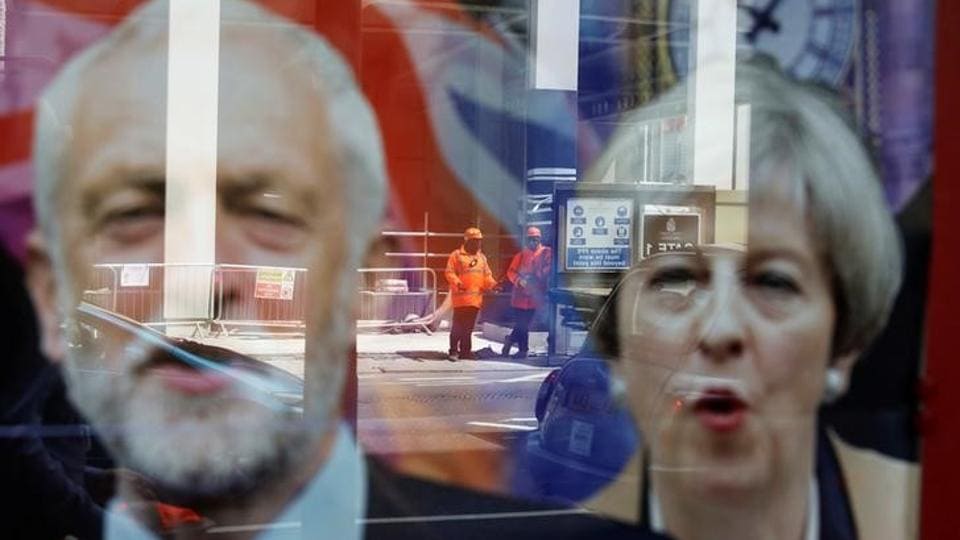
The altered political halos around Prime Minister Theresa May and Labour leader Jeremy Corbyn symbolise the political flux reflected in the delight, mockery and ridicule over the past 12 hours as election results came in.
May was ashen faced in the counting hall after winning in her constituency of Maindenhead, while Corbyn had the gait and look of a victor in Islington North, not just because of his win but the unlikely strides Labour had made under his leadership.
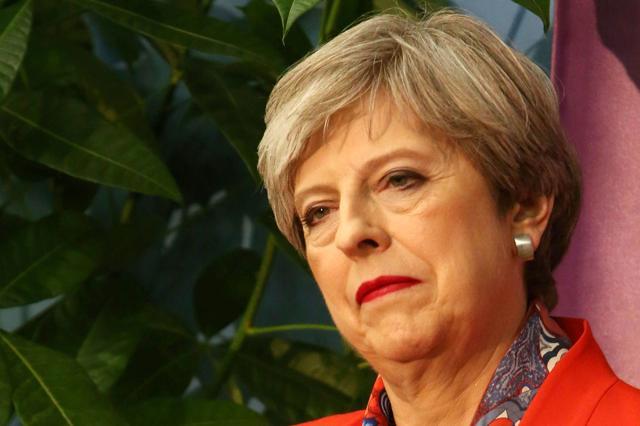
Political pundits and journalists reached for superlatives to describe May’s scale of error in calling the mid-term election, ostensibly to strengthen her hands in Brexit negotiations, and the scale of Corbyn’s achievement from the doldrums in which the party was until recently.
May’s overuse of the phrase “strong and stable” during the campaign became a joke. Until she became prime minister in 2016 in the aftermath of the EU referendum, people had not seen her up close and personal. Many believe what they saw often during the campaign was described in typical British understatement as “interesting”.
For one who was compared too soon to Margaret Thatcher, May’s electoral debacle has gladdened many within her Conservative Party, famous for being unforgiving of leaders who do not lead it to power.
Known as a tough, no-nonsense leader who does not do small talk, former deputy prime minister Nick Clegg once described her as the “ice maiden”. She already faces fire for leading a presidential-style campaign focusing on her image as a “bloody difficult woman” and the only one who can face down tough EU negotiators.
The contrast between May and Corbyn could not be starker. Had Corbyn been active in Indian politics, he would most certainly be called a “jholawala”, the perennial protestor-rebel always seen at protests, handing out campaign leaflets.
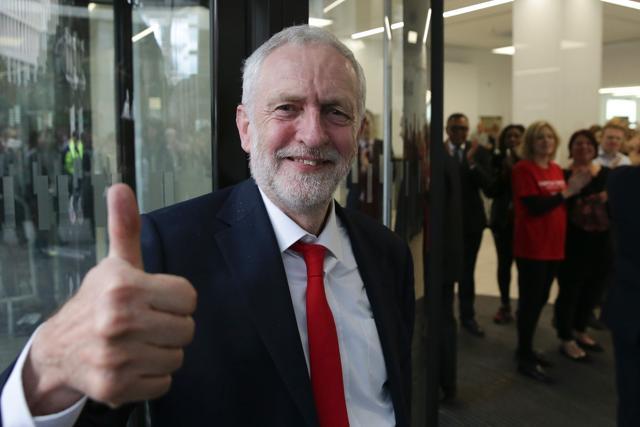
His transformation, and Labour’s transformation under his leadership, is the most remarkable story in contemporary British politics.
From facing a no-confidence motion from his own MPs, to facing and winning two party leadership elections, to being constantly ridiculed for his socialist views, to being called unfit for politics in the age of television, Corbyn has gone through the wash.
Corbyn has now been elected eight times from the London constituency of Islington North, considered a bastion of the left-leaning middle class. Under Tony Blair’s New Labour, he was among the most rebellious party MPs, voting against his party whip more than 500 times.
In an era marked by Americanisation of British politics with its focus on spin and television-friendly politicians, Corbyn came across as a sober, honest and reasonable man wedded to conviction politics who did not indulge in personal attacks and focused “on the many, not the few”.
Even his most ardent supporters would not have imagined he would so energise Labour that he may well end up as the prime minister of a minority government.


