
 E-Paper


Alabama court rules frozen embryos are ‘children’; here's how it may affect IVF across US
The Alabama SC ruled that frozen embryos can now be recognised as children under state law, which means that anyone can be sued for destroying an embryo.

 Prefer HTon Google


In its latest ruling, the Alabama Supreme Court said that frozen embryos can now be recognised as children under the state law, a decision doctors and legal experts said could have far-reaching effects for fertility treatment in the state.
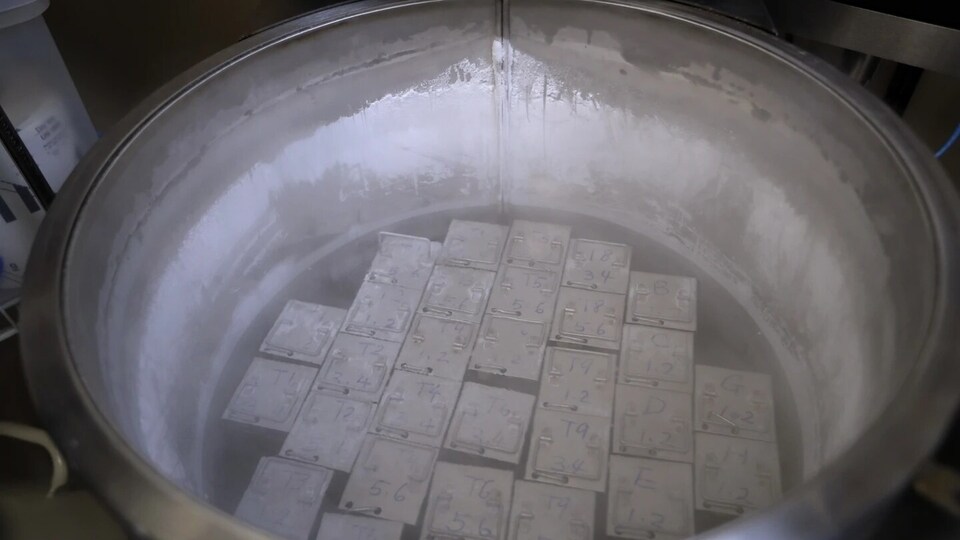
The ruling was made in two wrongful death lawsuits filed by three couples whose frozen embryos were accidentally destroyed at a fertility clinic.
The judges ruled that an 1872 state statute enabling parents to file a lawsuit over the death of a minor child "applies to all unborn children, regardless of their location," citing anti-abortion phrases in the Alabama Constitution.
The majority decision of the all-Republican court was written by Justice Jay Mitchell on Friday. "Unborn children are 'children'... without exception based on developmental stage, physical location, or any other ancillary characteristics," Mitchell wrote as per The Associated Press.
The decision, which implies that anyone might potentially be sued for destroying an embryo, sparked a wave of cautions on possible effects on fertility treatments and the freezing of embryos.
Also Read: 'Outrageous': Biden on woman forced to leave Texas for abortion
Experts explain how Alabama court's ruling can impact IVF treatment
Several patients and providers are worried about how to manage the IVF procedure in the wake of the Alabama verdict, considering the fact that embryos are frequently abandoned if they have genetic defects or when couples decide to not use them.
The ruling begs the question of whether IVF patients will have to keep all of their embryos in storage indefinitely. However, experts stated the answer is still unclear.
The annual cost of storing frozen embryos can range from $350 to $1,000.
In his dissenting opinion, Justice Greg Cook stated that "no court, anywhere in the country, has reached the conclusion the main opinion reaches" and that the ruling “almost certainly ends the creation of frozen embryos through in vitro fertilization (IVF) in Alabama.”
Proponents of IVF and abortion rights groups have been warning about the prospect since before the Supreme Court's 2022 ruling to overturn Roe v. Wade and as Republican-led states imposed additional abortion restrictions in its wake.
On June 24, 2022, Alabama implemented total abortion ban, which restricts abortion at any stage of pregnancy. The Section 26-23H-4 of the Code of Alabama states “it is unlawful for an abortion to be performed unless it is deemed absolutely necessary in order to prevent a serious health risk to the pregnant woman.”
Also Read: US Supreme Court set to rule on abortion pill restrictions
Reproductive specialists and groups believe that Alabama's decision will result in less access to IVF treatment. The Centers for Disease Control and Prevention estimate that after a year of trying, 1 in 5 people are still unable to conceive. 42% of American people, according to a recent survey, claim to have either used or know someone who has used fertility treatments.
Chief scientific officer and co-founder of Gattaca Genomics, Dr. Mari Mitrani, told CBS News that the decision might have “serious potential and unintended consequences to the fertility industry as a whole, threatening Alabamans' rights to start a family.”
“This ruling poses a threat to embryologists, fertility doctors, lab technicians and all fertility healthcare providers in Alabama. The local medical professionals will be exposed to unforeseen consequences due to this ruling, when trying to help their patients," she added.
In a social media post, ‘Resolve: The National Infertility Association’ stated that the ruling has profound implications far beyond Alabama's borders. "Every American who wants or needs access to family building options like IVF should be deeply concerned about this development and the precedent it will set across the country."
The decision will probably have other "devastating consequences, including impacting the standard of care provided by the state's five fertility clinics," according to the non-profit organisation in Alabama.
The statement added, "This new legal framework may make it impossible to offer services like #IVF, a standard medical treatment for infertility," adding that it is still unclear if this ruling will affect those who presently have embryos stored.
What is IVF patients take?
After three miscarriages, 26-year-old Gabby Goidel is seeking IVF treatment in Alabama. She stated the court's ruling came on the same day she started regular injections ahead of egg retrieval.
“It just kind of took me by by storm. It was like all I could think about and it was just a very stressful thing to hear. I immediately messaged my clinic and asked if this could potentially halt us. They said we have to take it one day at a time,” Goidel remarked.
Although her clinic is still offering treatment, she said they will notify her if conditions need to change. "Without IVF, I would have to probably go through several more miscarriages before I even had an option of having a baby that is my own."
White House reacts to the Alabama court's ruling
While speaking to reporters on Tuesday, White House Press Secretary Karine Jean-Pierre said the decision would cause “exactly the type of chaos that we expected when the Supreme Court overturned Roe v. Wade and paved the way for politicians to dictate some of the most personal decisions families can make.”
She restated the Biden administration's demand that Congress enact legislation incorporating Roe v. Wade's safeguards into federal law.
“As a reminder, this is the same state whose attorney general threatened to prosecute people who help women travel out of state to seek the care they need,” she said, referring to Alabama's total abortion ban.


