E-Paper


Big setback for Trump, US court declares President's 10% global tariffs illegal
In a split ruling, the court of international trade said Trump had incorrectly used a decades-old trade law to impose the duties in February.

 Prefer HTon Google


The US trade court on Thursday ruled against President Donald Trump's latest 10% global tariffs, saying the broad tariffs were not justified under a trade law from the 1970s.
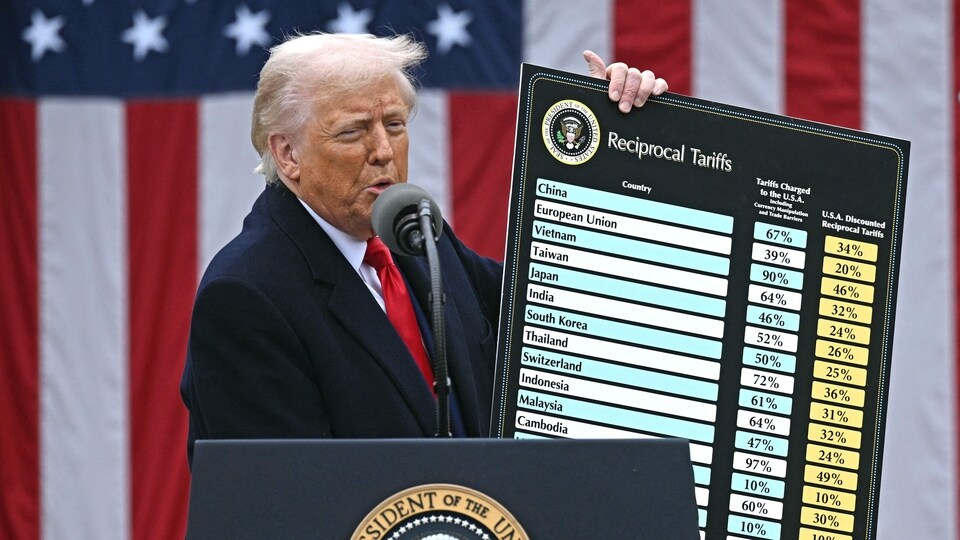
Last month, the court arguments in lawsuits filed by 24 states, most of them led by Democrats, along with small businesses challenging the tariffs that came into effect on February 24.
The states argued that the move was an attempt to sidestep a major US Supreme Court ruling, which struck down the Republican president's 2025 tariffs imposed under the International Emergency Economic Powers Act (IEEPA).
ALSO READ | Trump warns EU of ‘much higher levels’ of tariffs over delayed trade deal, sets deadline
US court declares Trump's 10% tariffs illegal
Notably, in the February order, Trump invoked Section 122 of the Trade Act of 1974, which allows duties for up to 150 days to address serious "balance of payments deficits" or to prevent a sharp fall in the value of the dollar.
In a divided ruling, the court of international trade said Trump had incorrectly used a decades-old trade law to impose the duties in February, shortly after the US Supreme Court struck down his previous set of steep tariffs.
The court delivered a 2-1 verdict that applies only to the parties who had challenged the administration in court. On Thursday, the judges directed the defendants to comply with the order within 5 days and issue refunds to the importers involved in the case.
Tariffs imposed on sectors such as steel, aluminium and automobiles will continue, as they are not covered by the Supreme Court’s decision.
The administration had defended the move by pointing to a $1.2 trillion annual US goods trade deficit and a current account deficit equal to 4% of the country’s GDP.
However, several economists and trade experts have argued that the US is not facing a balance-of-payments crisis, leaving the fresh duties open to legal challenge, news agency Reuters reported.
What happens next?
The US justice department may challenge the latest trade court ruling by moving the case to the US court of appeals for the federal circuit, which had earlier ruled against the Trump administration in the previous tariff dispute.
The case centres on temporary 10% global tariffs introduced by the administration after the Supreme Court, in February, struck down wider double-digit tariffs imposed last year on nearly every country. Those duties had been brought in under Section 122 of the Trade Act of 1974 and are due to expire on July 24.
With inputs from agencies