E-Paper


End of H-1B visa lottery? DHS plans to replace model with ‘weighted selection process’
The US Department of Homeland Security (DHS) has submitted a draft that could end the current lottery system of allotting the H-1B visas.

 Prefer HTon Google


The H-1B visa system might be in for a major shake-up. The Trump-era proposal is making waves again, as the US Department of Homeland Security (DHS) has submitted a fresh draft that could replace the current random lottery with a “weighted selection” method for issuing H-1B visas, according to a Forbes report.
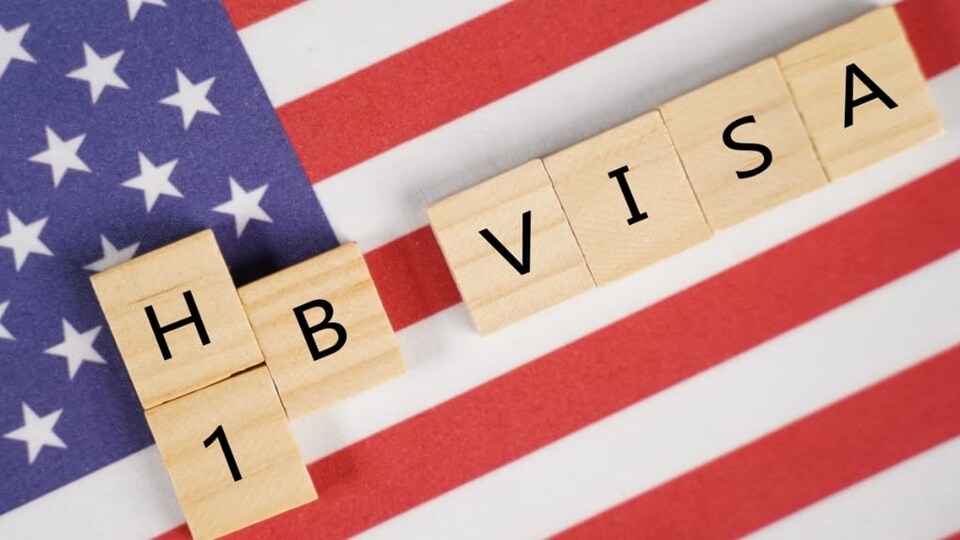
H-1B visa lottery to end? What to know
Right now, the process is pretty straightforward: eligible applications are submitted, and then a computer-generated lottery picks who gets the limited spots. Around 85,000 visas are available each year under the cap, with 20,000 of them set aside for people who have a Master’s degree or higher from a U.S. institution. But every year, demand far outpaces supply.
So, what does “weighted selection” mean exactly? That part is still unclear. The DHS has not shared many details publicly yet, but early analysis suggests that applications could be ranked based on factors like salary, education level, or even seniority.
If that happens, it could completely change who benefits from the H-1B program. A study earlier this year by the Institute for Progress showed that if salaries were prioritized over random chance, the average H-1B recipient’s pay could jump from about $106,000 to $172,000.
That would make things much harder for outsourcing firms who rely on hiring large numbers of lower-wage workers, but could be a big plus for researchers, PhD holders, and senior-level tech professionals.
Experts like Connor O’Brien from the Economic Innovation Group are in support of the change. He posted on X (formerly Twitter) that “random allocation is insane” and that ranking by salary would better reflect the country’s needs.
For Indian workers, who made up over 70% of H-1B recipients in the last two years, these changes could have mixed results. Those with higher degrees or specialized roles might benefit, while others could find it harder to secure a visa.
The U.S. Citizenship and Immigration Services (USCIS) is still working on the final draft of the rule, and it is expected to go through public review before anything is set in stone. But if passed, the new system could be in place as early as next year.
FAQs
1. What is the new proposed change to the H-1B visa process?
The U.S. Department of Homeland Security has proposed replacing the random H-1B lottery system with a weighted selection process that may prioritize applicants with higher salaries or advanced qualifications.
2. Will the H-1B lottery system be eliminated?
Yes, if the proposal is approved, the current random lottery system could be replaced by a merit-based or salary-ranking system, especially for the capped portion of the H-1B visa program.
3. How will the new H-1B selection process affect Indian applicants?
Indian nationals, who make up over 70% of H-1B recipients, may face tougher competition. The new system may favor highly paid or specialized applicants, possibly impacting outsourcing firms.
4. What is the current annual cap for H-1B visas?
The H-1B visa program currently has an annual cap of 85,000 visas, including 20,000 spots reserved for applicants with a U.S. master's degree or higher.