
 E-Paper


How Ranjani Srinivasan dodged immigration officials twice before leaving the US
The Trump administration said on Friday it had revoked the visa of Ranjani Srinivasan, an Indian citizen and doctoral student at Columbia.

 Prefer HTon Google


Ranjani Srinivasan, a Columbia University student from India who reportedly left the United States some days back, reportedly dodged federal immigration officials twice after her student visa was revoked.
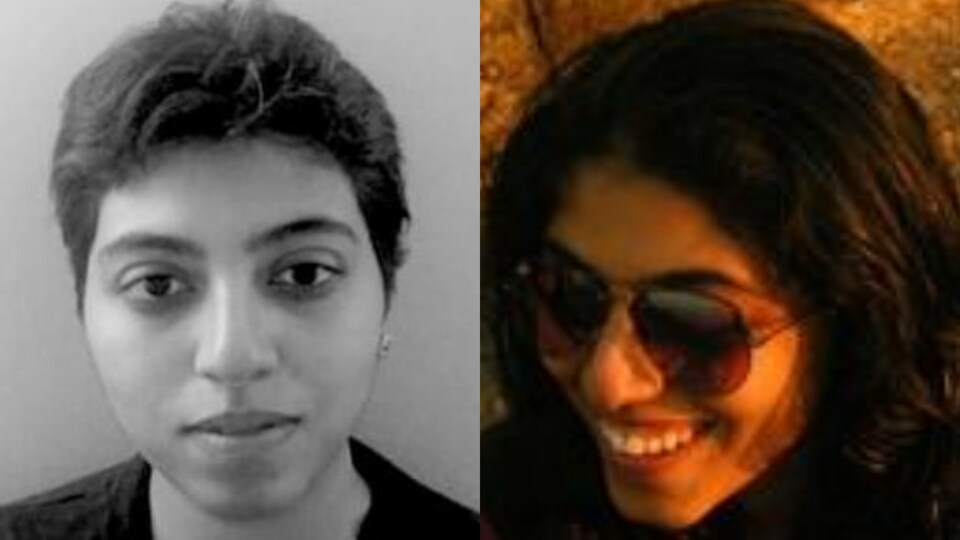
The 37-year-old, who was pursuing a doctoral degree in urban planning recently found out that her student visa was revoked.
The Trump administration said on Friday it had revoked the visa of Ranjani Srinivasan, an Indian citizen and doctoral student at Columbia, for "advocating for violence and terrorism".
Srinivasan opted to "self-deport" on Tuesday, the department said. Officials did not say what evidence they had that Srinivasan had advocated violence.
Also Read | In first remarks since fleeing US, Indian student recounts 'dystopian nightmare'
Her lawyers, however, have strongly denied that she engaged in any illegal activities or called for violence.
What happened the first two times immigration officials approached Srinivasan?
The first encounter occurred eight days ago on Friday when three federal immigration agents arrived at Srinivasan’s Columbia University apartment, seeking the student who had recently discovered her visa was no longer valid.
Srinivasan did not open the door at the time, the New York Times reported.
Also Read | Why did Trump administration revoke visa of Ranjani Srinivasan, Indian student at Columbia University?
The agents returned the next night, just hours after another Columbia student, Mahmoud Khalil, was detained by immigration authorities. This time, Srinivasan was not at home.
After the arrest of another student, Srinivasan quickly packed a few of her belongings, left her cat with a friend, and boarded an immediate flight to Canada from LaGuardia Airport.
So, when the agents arrived for a third time last Thursday night, armed with a judicial warrant to search her apartment, she had already left the country.
“The atmosphere seemed so volatile and dangerous,” Ms. Srinivasan, 37, said on Friday in an interview with The New York Times, her first public remarks since leaving. “So I just made a quick decision.”
Why is Columbia University under fire?
Columbia has come under immense pressure from the Trump administration in recent weeks, with the US government cancelling USD 400 million in federal grants and contracts to the school, much of it for medical research, as punishment for not cracking down harder on students and faculty who criticised Israel's military action in Gaza during large protests last spring.
President Donald Trump and other officials have accused the protesters of being "pro-Hamas", referring to the militant group that attacked Israel on October 7, 2023.
The administration threatened to permanently end federal funding to the Ivy League school unless it took a variety of steps, including changing its admissions process and ceding faculty control of its Middle Eastern, South Asian, and African Studies Department to a receiver for five years.
Columbia University's campus has been in crisis since the arrest on Saturday of Mahmoud Khalil, a Palestinian activist who helped lead last spring's protests.


