
 E-Paper


Pete Hegseth orders annual testosterone screening for all US service members aged 30 plus
Pete Hegseth announces annual testosterone screening for US troops aged 30+, optional TRT, and a new military health plan focused on combat readiness.

 Prefer HTon Google


US Defense Secretary Pete Hegseth announced a new program to screen service members for testosterone deficiency every year, according to his video announcement posted on X. Hegseth said the new screening program is meant to make sure troops have the right testosterone levels to perform at their best.
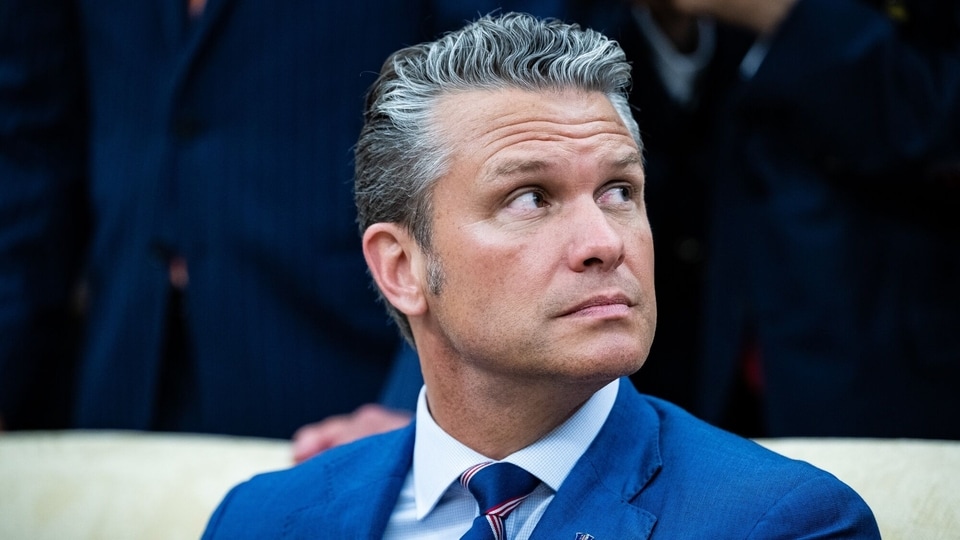
Under the new policy, all service members aged 30 and above will automatically receive a testosterone screening during their annual health assessment, Hegseth said. Troops under the age of 30 will also be able to get the test if they choose to do so voluntarily. If the screening shows low testosterone and doctors recommend treatment, service members can choose whether or not to receive Testosterone Replacement Therapy.
Pete Hegseth explains new military health plan
Hegseth stressed that the treatment is completely optional and will not be forced on any service member. He said the program is not meant to artificially improve soldiers' abilities, but to restore their natural hormone levels if they are medically low. Hegseth said the goal is to improve troops' performance, resilience, long-term health and ability to stay combat-ready. He argued that while the US spends heavily on weapons and military equipment, its biggest advantage is still the individual soldier.
Hegseth said the Defense Department has a "sacred duty" to keep troops physically ready and healthy, according to his video message. He noted that testosterone levels naturally decline with age, saying this is well-established science and one reason for introducing the screenings. Hegseth said identifying low testosterone early could help keep soldiers on the "leading edge of lethality". He also said the initiative is designed to give service members the best medical care possible.
Also read: What is 'Promise Me, America'? Biden announces book about his time as US president
Who will get testosterone screening?
Along with the video on X, Hegseth wrote the caption: "The High-T Department of War." The program appears to be aimed mainly at male service members, although Hegseth did not directly say this in his announcement.
Hegseth failed to explain explicitly whether the 17% active- duty female US troops would be included in the screening: a marker of his continued emphasis on personnel checking specific boxes of physical strength and masculine facets, reported the Hill.
Access to Testosterone Replacement Therapy was expanded in April was broadened by the US Food and Drug Administration after initially shunning it for any other gender apart from men: specifically the ones with medical conditions that affect testosterone production. According to The Hill, about 5.6% of men between the ages of 30 and 79 have testosterone deficiency.
Low testosterone can lead to muscle loss, tiredness, weight gain and sexual dysfunction. Testosterone deficiency has also been linked to diabetes, heart disease, osteoporosis and depression. Hegseth said that by finding these health issues early, the military can better support service members and help them stay healthy and mission-ready.


