
 E-Paper


Seven planets to align: How to watch the 2025 planetary parade
A planetary alignment happens when multiple planets gather closely on one side of the sun at the same time.

 Prefer HTon Google


A rare planetary parade will grace the evening sky on February 28 as planets in the solar system align. Sky gazers across the US will have a chance to witness this special celestial event just after dusk.
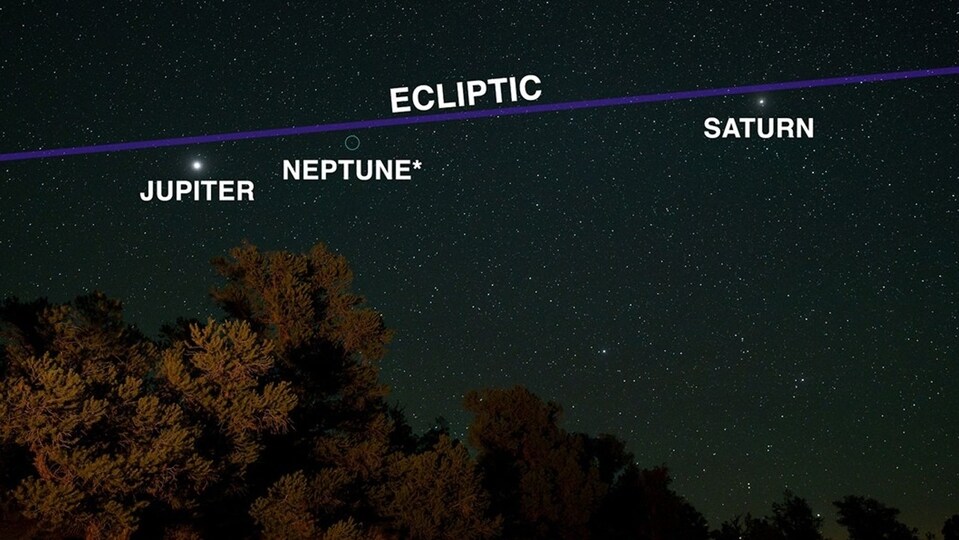
NASA says six planets may be visible for much of the week, giving stargazers a chance to witness this celestial event just a month after the last planetary spectacle.
“When you see the planets, remember that while they just look like bright stars, in reality they are entire worlds, with their own landscapes, weather, moons, and histories,” NASA Solar System said in a post on X (formerly Twitter).
On Friday, Mercury will join Venus, Mars, Jupiter, Saturn, Uranus, and Neptune in the planetary alignment. However, not all seven planets will be visible to the naked eye.
Neptune and Uranus will require high-powered binoculars or a telescope, while Saturn may be hard to spot as it will be close to the sun, reported StarWalk.
A planetary alignment happens when multiple planets gather closely on one side of the sun at the same time. Astronomers and stargazers call these events “planet parades,” as the planets appear to form a straight line, resembling a march across the night sky. A similar event took place last month when six planets aligned.
Astronomers are closely watching for a rare celestial event that could outshine the upcoming planetary parade. T Coronae Borealis, a binary star system known as the “Blaze Star,” is expected to become visible to the naked eye after a nova explosion.
Located in the Northern Crown constellation, this system brightens roughly every 80 years, with the last recorded nova in 1946. When it erupts, it will be bright enough to be seen from Earth without a telescope, reported NPR.
While the exact timing is uncertain, Pamela Gay, a senior scientist at the Planetary Science Institute, says it could happen soon.
“We've been waiting for this sucker to flare up and get super bright for several months. We know it's coming,” she tells NPR.
“It's starting to show signs that it might be gearing up to flare into brightness.”
Meanwhile, space enthusiasts will be looking up to catch the planetary alignment, where seven planets will line up in the night sky.


