
The US Army's plan to destroy nearly 9,500 pounds of unstable lead azide at an ammunition plant in Iowa has raised concerns over potential lead contamination, prompting a legal challenge and a temporary court order blocking the operation.
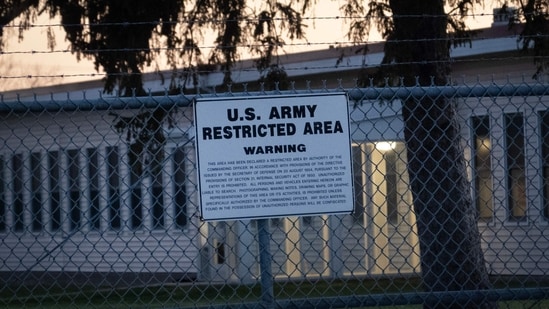
The Army had planned to detonate 68 drums of the explosive at the Iowa Army Ammunition Plant in Middletown. The operation, initially scheduled for November 20, was postponed until November 23 because of a forecast temperature drop that officials said could make the material more unstable.
Suggested For You
However, the Eighth US Circuit Court of Appeals temporarily halted the detonation on November 19, blocking the Army from proceeding under the Environmental Protection Agency's emergency permit while the stay remains in effect. The order came amid lawsuits and outcry protesting the Army's decision.
What is lead azide and why does the Army want to destroy it?
Lead azide is a highly sensitive explosive used in detonators and blasting caps to trigger larger explosions. The Army said it discovered deteriorating stocks of the material in bunkers at the Iowa facility in March.
{{/usCountry}}Lead azide is a highly sensitive explosive used in detonators and blasting caps to trigger larger explosions. The Army said it discovered deteriorating stocks of the material in bunkers at the Iowa facility in March.
{{/usCountry}}Also Read: US think tank Carnegie Endowment hit by cyberattack exposing donor contact information: Report
According to the EPA's emergency permit, the material has undergone recrystallisation, a process that has increased its sensitivity to friction and shock. Moving or handling the drums could therefore trigger an accidental explosion.
The Army considered other disposal methods, including chemical treatment, but said disturbing the containers could create an unacceptable risk. It selected controlled detonation at the storage site as the safest available option.
The EPA had issued an emergency permit on November 13, authorising the operation and requiring monitoring before, during and after the detonation.
Why are residents worried about lead contamination?
The planned explosions could release lead-containing particles into the air. These particles may travel beyond the ammunition plant before settling on soil, buildings, vehicles and other surfaces.
People could be exposed by breathing in the dust or by touching contaminated surfaces and later ingesting the particles. Lead exposure is particularly concerning for young children and pregnant women because it can affect neurological development.
The Iowa Department of Health and Human Services says there is no known safe level of lead exposure. It advises people who are concerned about possible exposure to speak to a healthcare provider about blood lead testing.
Also Read: Security agencies warn US aviation industry of calls for Flydubai-like attack by Al Qaeda: Report
The Army's public advisory also warned of a potential dust plume and asked residents in the affected area to leave during the planned operation. The November 15 advisory outlined precautions, including staying indoors after the detonation and limiting contact with outdoor surfaces.
How far could the lead dust spread?
The potential spread would depend on weather conditions, particularly wind direction and speed. The Army has released modelled projections to estimate where the plume could travel, but these are forecasts rather than measurements of actual contamination.
The proposal has also raised concerns among farmers. Iowa agriculture officials advised livestock owners near the facility to move animals, feed and equipment indoors or to another location where possible.
Environmental groups, including the Iowa Environmental Council and the Sierra Club's Iowa chapter, challenged the EPA permit, arguing that the agency had not adequately assessed alternatives or given communities sufficient notice. Their legal challenge led to the temporary court stay.
The Army, EPA and Iowa health authorities have said they have been planning the operation since March and would use extensive safety measures. Iowa Governor Kim Reynolds has also activated the state's emergency operations centre.
For now, the court order has put the planned detonation on hold.
Explore More
ABOUT THE AUTHOR
Asmi is a Senior Content Producer primarily covering stories related to NRIs, immigration, visas, citizenship and global mobility. She closely follows developments that affect Indians living, working and studying abroad, with a particular focus on translating complex policies and international developments into clear, accessible stories for readers. As part of the US Desk, Asmi also reports on a wide range of political, economic and social developments in the United States, exploring their relevance to Indian and global audiences. Her work spans breaking news, features, trends and explanatory stories, with an emphasis on accuracy, timely reporting and audience-focused storytelling. Asmi likes finding the human angle behind major developments and bringing context to stories that can often feel complicated or distant. She is especially interested in stories around immigration, life abroad, careers, education and the experiences of the Indian diaspora, while also exploring a wide range of topics that spark curiosity and conversation. Outside the newsroom, Asmi is an avid reader and loves travelling, discovering new places, experiencing different cultures and collecting stories along the way.