While King Charles III's treatment for cancer necessitates a temporary withdrawal from public life, the British monarchy is poised to adapt and maintain its essential functions, guided by established protocols and the dedication of its members. For this reason, there is bound to be a noticeable shift in responsibilities within the royal family.
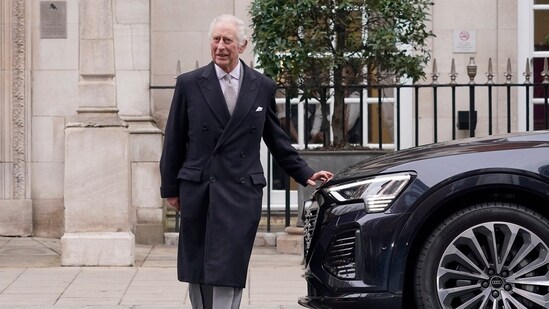
Prince William, as the heir to the throne, will inevitably find himself taking on more prominent roles and duties. The absence of both King Charles III and the Duchess of Cambridge, Kate, due to her recovery from surgery, places additional emphasis on other senior members of the royal family to step up.
Queen Camilla, King Charles III's wife, will likely see an increase in her public appearances and engagements. Already active in royal duties, Queen Camilla's role will become more pronounced during this period.
Read: King Charles's diagnosis shines spotlight on common cancers in men; all you want to know
Continuation of state affairs
Despite his withdrawal from public life, King Charles III will continue to handle state affairs and administrative tasks. Buckingham Palace has assured that the day-to-day operations of the monarchy will remain unaffected, with the king continuing to receive official documents and hold meetings with advisors. The monarch will utilise modern communication methods, such as video conferences, to maintain engagement with governmental affairs.
{{/usCountry}}Despite his withdrawal from public life, King Charles III will continue to handle state affairs and administrative tasks. Buckingham Palace has assured that the day-to-day operations of the monarchy will remain unaffected, with the king continuing to receive official documents and hold meetings with advisors. The monarch will utilise modern communication methods, such as video conferences, to maintain engagement with governmental affairs.
{{/usCountry}}In the event of the king's absence, the monarchy has mechanisms in place to ensure continuity. "Counsellors of State" can be appointed to carry out certain royal functions. This group typically includes the queen, the heir to the throne, and select family members.
The royal family specified to the British Parliament at the end of 2022 that "only its active members" could "in practice" act as Counsellors of State, effectively excluding Harry and Andrew.
Constitutional stability
The British public can expect the monarchy to maintain stability despite King Charles III's health concerns, according to Royal family biographer Robert Hardman. He reassured that the absence of the king from public engagements does not pose a constitutional crisis.
"It doesn't prevent doing things, there's no constitutional concern," Hardman told BBC.
(With AFP inputs)