
 E-Paper



What happens to North Koreans who buy a TV? Escapee reveals harsh reality
North Korean escapee and activist Timothy Cho shared the struggles that citizens face when purchasing basic consumer goods like televisions in the country.

 Prefer HTon Google


How would you feel if the government controlled your television purchases and decided what you could watch? While this might seem unusual or even unthinkable in most parts of the world, in North Korea, it is simply a part of daily life.
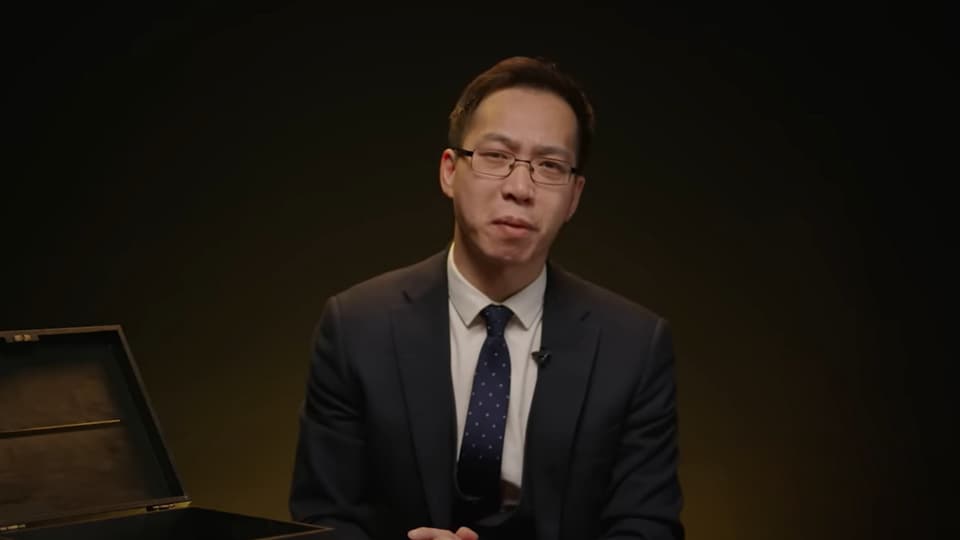
Timothy Cho, a North Korean escapee and two-time defector who is now a human rights activist, endured torture after a failed escape attempt before eventually settling in the UK. He shared the challenges citizens face when trying to buy consumer goods like televisions.
Speaking to LADbible recently, Cho explained that purchasing a TV in North Korea comes with strict government oversight.
“If you buy a TV in North Korea, the government come to your house and take all antennas out and leave only one antenna,” he said when asked about censorship in the country.
TV is all about Kim family
Elaborating on what North Koreans are allowed to watch on TV, Cho said the content is strictly controlled. “What is it about? Kim family... programmes, documentaries, songs. All 24/7,” he said.
“If you watch TV... it's all about Kim family propaganda.”
However, television restrictions are not the only strict regulations imposed on North Korean citizens. Cho also revealed that even something as simple as a haircut is heavily controlled by the state.
He explained that schoolchildren are required to choose from just “one or two or three” approved hairstyles. Anyone whose hair is even a few centimetres longer than permitted risks facing consequences.
“If you have something different… then your parents are in trouble. They’re being summoned tcome to the police station and write a statement,” he said.
How is it to escape from North Korea?
North Korea has been ruled by the Kim dynasty since 1948, with the country's current leader, Kim Jong-un, being the third in the family to hold power. The nation remains largely isolated from the outside world, with the state tightly controlling the lives of its citizens.
Gaining insight into the daily lives of ordinary North Koreans is challenging, as most available information comes from heavily controlled tourist visits to select locations. This makes firsthand accounts from defectors crucial in understanding the realities of life under the regime.
Since the 1950s, an estimated 31,000 North Koreans have fled to South Korea, with most defectors first crossing into China before traveling to a third country to reach the South, The Guardian reported, citing AFP. The highest number of defections occurred in 2009, when 2,914 people escaped. However, the numbers have dropped significantly since Kim Jong-un tightened border controls after taking power in late 2011.
Direct defections via the heavily fortified demilitarised zone (DMZ) or the maritime border, known as the Northern Limit Line, remain extremely rare.
In 2023, South Korea reported a nearly threefold increase in the number of North Korean defectors compared to the previous two years, with a notable rise in younger individuals and members of the country’s elite, CNN reported. According to South Korea’s Unification Ministry, 196 defectors entered the South in 2023. More than half were in their 20s and 30s, and approximately 84 per cent were women or girls.
Among them were around 10 elite North Koreans, the highest number from this group since 2017. These individuals included diplomats, officials, and overseas students who were ordered to return to North Korea as pandemic-related restrictions eased, a South Korean ministry official told CNN.
According to South Korean authorities, the primary reason for defection in 2023 was growing discontent with the ruling Kim regime. Previously, food shortages had been the most common motivation for escape. Surveys indicated that nearly 23 per cent of defectors cited political dissatisfaction as their reason for leaving, while just over 21 per cent said they fled due to a lack of food, according to Yonhap News Agency report.


