E-Paper



Disenchantment rife against Oli but no threat to government
Less than four months after he assumed office, Nepal Prime Minister KP Sharma Oli has run into rough weather, with both his coalition partners and the people questioning his performance.


Less than four months after he assumed office, Nepal Prime Minister KP Sharma Oli has run into rough weather, with both his coalition partners and the people questioning his performance.
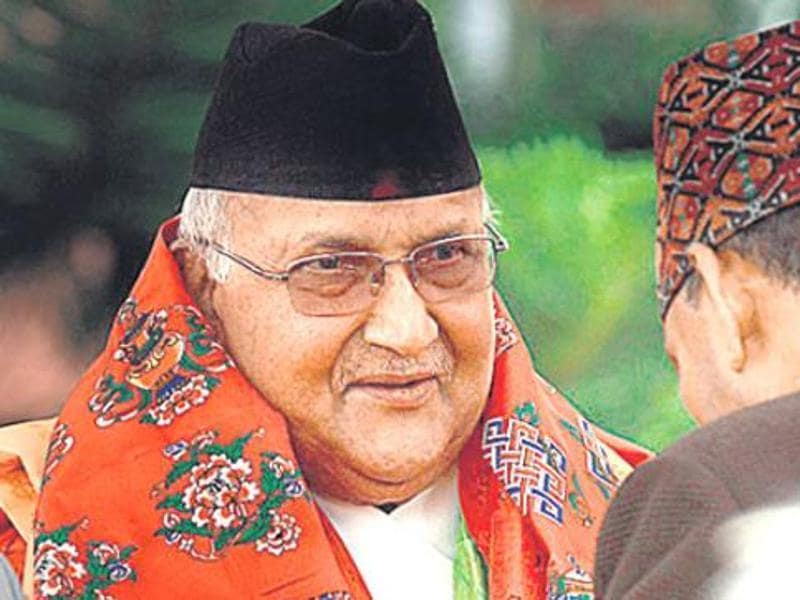
Oli’s woes mirror the problems that plagued his predecessors – it is easier to come to power in Nepal than to retain it. Since 2008, when the first constituent assembly polls were held, the country has had seven prime ministers.
The 64-year-old’s progress report on providing relief to people affected by the earthquakes of April and May last year, and his handling of the Madhesi protests against the constitution have come under intense scrutiny in recent weeks.
“The government’s performance hasn’t been satisfactory,” said Dinanath Sharma, spokesperson of the Unified Communist Party of Nepal-Maoist, the largest party in the ruling coalition after Oli’s Communist Party of Nepal-Unified Marxist Leninist.
The UCPN-M’s standing committee recently criticised the government for failing to take effective steps to lift the blockade of border trade points by the United Democratic Madhesi Front and to control the black marketing of petroleum products.
Oli is also facing heat from within his party. Former prime ministers Madhav Kumar Nepal and Jhalanath Khanal have accused Oli of running the government in a dictatorial manner without consulting the party on key issues.
“Instead of providing relief to the quake-affected and resolving the Madhes crisis, Oli concentrated on strengthening his government by including a lot of parties in his coalition. Attempts to keep all partners happy have affected his performance,” said former foreign minister Ramesh Nath Pandey.
UCPN-M chairman Pushpa Kamal Dahal Prachanda told reporters this week that a national consensus government, including the main opposition Nepali Congress, the largest party in parliament, is the need of the hour.
His party believes such a government, which could also include the protesting Madhesi parties, is the only way to end the current crisis.
Despite the disenchantment with Oli and his government, there seems to be no immediate threat to both, observers said.
Oli’s political adviser Bishnu Rimal dismissed reports of the Prime Minister’s likely ouster as baseless.
“There is no coherence in those reports. There is no trouble among the coalition partners and absolutely no threat from opposition parties, including the Nepali Congress,” he said.
The UCPN-M’s dissatisfaction with the government’s performance notwithstanding, even that party’s spokesperson Dinanath Sharma agreed that there is no likelihood of the government being toppled soon.
Oli took office in October, soon after the new constitution was promulgated and the UDMF, which comprises four Madhesi parties, began protests against the statute and blocked key border points with India, resulting in a severe shortage of essential goods and fuel.
Despite several rounds of talks and an amendment of the constitution last month, the protests have continued in the Terai, the plains in southern Nepal bordering India where the Madhesis live.
The UDMF rejected the amendment and sought a package deal, including fresh demarcation of federal boundaries and proportional representation for Madhesis in state bodies.