
 E-Paper



Game changer Aadhaar Bill will provide steam to Modi’s pro-poor push
The government introduced a bill in the Lok Sabha to provide statutory backing to Aadhaar for transferring subsidies and benefits.The move will provide necessary steam to PM Modi’s pro-poor push.

 Prefer HTon Google


When Aadhaar was conceived in 2009, the idea was to track every penny the government spends.
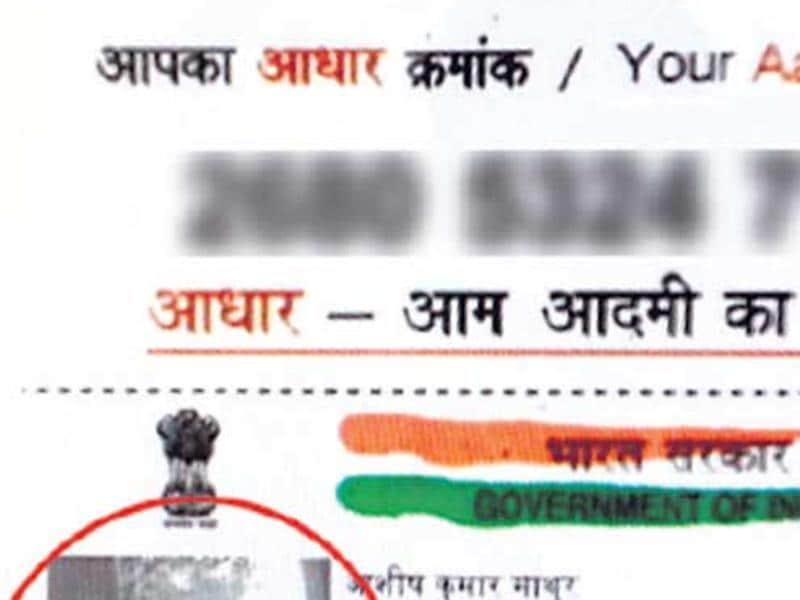
Though the UPA government had an eye on the 2014 general elections, the move failed as the Aadhaar-based tracking mechanism called direct benefit transfer was not fully operational. The government could not identify the beneficiaries of central schemes.
By 2019, when the next Lok Sabha polls are held, the Narendra Modi-led government will have a complete database of beneficiaries of its schemes and amount of money they have received. And the Aadhaar Bill introduced in Lok Sabha on Thursday can help achieve the goal.
Around 980 million have enrolled for the 12-digit biometric unique identification number, shortly termed Aadhaar, and by 2016-end the Unique Identification Authority of India (UIDAI) aims to enrol all eligible 1.1 billion residents.
The government will have delivery of all major central schemes -- from rural employment guarantee to scholarships and pensions -- on the Aadhaar platform, probably by the end of 2017, more than a year before the general elections.
“We will know how much money we have given to every poor person in India and how it has changed their lives,” a member of National Institution for Transforming India (Niti) Aayog told HT, adding it will provide necessary steam to Modi’s pro-poor push.
Politics aside, the draft law tries to undo a Supreme Court order by incorporating a clause on privacy of a person having Aadhaar and making the number mandatory for availing government benefits and services. The apex court had asked the government to keep Aadhaar voluntary primarily because the privacy issue was not addressed.
The bill says the enroller will have to be informed about the purpose for which his or her biometric details were being collected and the consent will have to be taken when the information collected is shared with any agency except in case of “national interest”.
The term national interest has, however, not been defined.
Unlike the UPA draft, the bill empowers UIDAI to omit and de-activate an Aadhaar number. The basis would be explained in the operational rules to be formulated once the law is enacted.
The draft deletes a provision in the UPA’s proposal saying that no information pertaining to a person’s race, religion, caste, tribe, ethnicity, language, income or health will be sought. This is because many states including Gujarat have sought information related to income while enrolling for Aadhaar. The bill, however, reiterated that Aadhaar will not be evidence of citizenship or domicile.
The Congress may not oppose the bill except on its nature as a money bill, one related to taxes and public spending or borrowing.
The Rajya Sabha, where the BJP government is in minority, cannot amend a money bill and has to return it to Lok Sabha within 14 days.
The NDA government has retained several elements of the original Aadhaar bill introduced in Parliament in 2010. Although the bill was rejected by a standing committee headed by then BJP MP Yashwant Sinha, Modi found value in words of Aadhaar visualiser Nandan Nilekani, who made a presentation to him in 2014.
Experts estimate Aadhaar can save government expenditure for social sector by at least 20% by plugging leakages.
This has been demonstrated through pilot projects on distribution of subsidised food grains, cooking gas and scholarships. The Centre’s expenditure for the social sector in the 2016-17 budget is around Rs 5.50 lakh crore.


