E-Paper



Medical body to study link between hospitalisation and air pollution
Outdoor air pollution is responsible for 6% of India’s total disease burden, with indoor air pollution contributing 5%, showed the ICMR-Public Health Foundation of India report on state-level disease burden and risk factors trends from 1990 to 2016 released last week.

 Prefer HTon Google


The Indian Council of Medical Research (ICMR) has begun a study in five hospitals of Delhi to get evidence on the link between air pollution and hospitalisations by looking at pollution-related diseases.
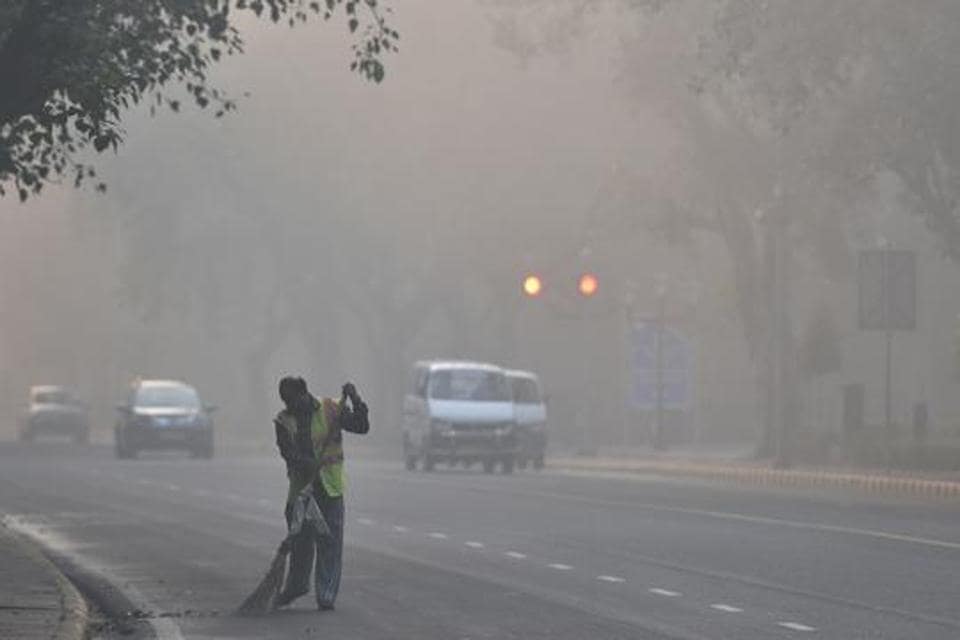
Five government hospitals in Delhi began tracking hospitalisations related to respiratory diseases in July to study the effect of ambient air quality on health.
“We started the project at the All India Institute of Medical Sciences (AIIMS), Lady Hardinge Medical College (LHMC), Patel Chest Institute, TB Institute and Kalawati Saran Children’s Hospital. The project will track the condition of all IPD (in-patient department) patients on a daily basis and try to ascertain the role pollution played in their disease,” says Dr Soumya Swaminathan, director-general, ICMR.
Outdoor air pollution is responsible for 6% of India’s total disease burden, with indoor air pollution contributing 5%, showed the ICMR-Public Health Foundation of India report on state-level disease burden and risk factors trends from 1990 to 2016 released last week.
The preliminary findings will be out in July or August next year. “Even for a short-term study, we need data for at least a year to confirm co-relation. It is very important to produce evidence by following the standard protocols to generate results on which the government can take appropriate action,” said Swaminathan. “It is another thing to be intuitive but science works on evidence,” she said.
“We would have gathered and analysed enough data by then to be able to say exactly how harmful each of the different air pollutants are for the respiratory system. A team of doctors are working hard on the project,” she said.
Non Communicable Diseases (NCDs), including chronic respiratory disease, cause six out of 10 deaths (61.8%) in India. “Air pollution is a growing problem and this project will help us generate the necessary evidence,” said Dr Swaminathan.