
 E-Paper





Follow the latest breaking news, major developments and agenda-setting stories from India and around the world with the newsdesk at Hindustan Times. Operating round the clock, the desk brings together experienced editors, reporters and correspondents to deliver fast, accurate and contextual reporting across subjects that influence public policy, governance, business, society and international affairs. The HT News Desk covers politics, elections, government policies, the economy, business and markets, science and technology, the environment, law and order, infrastructure, education, climate issues and geopolitics, while closely tracking developments across states, institutions and global capitals. The team also leads coverage of major breaking news events, policy announcements, court proceedings, natural disasters, public emergencies and significant international developments. Reports published by the newsdesk are based on information gathered from reporters on the ground, official statements, government agencies, court records, regulatory filings, recognised institutions and other authoritative sources. Stories undergo editorial scrutiny and verification processes to ensure accuracy, fairness and relevance, and are updated as events evolve and additional information becomes available. Whether covering a key political decision in New Delhi, an economic policy shift affecting millions, a landmark court ruling or a major global event, the HT News Desk aims to provide readers with reliable, fact-based journalism that delivers not only the latest developments but also the context and analysis needed to understand their wider implications.
Centre opposes concept of ‘living will’ in SC
A ‘living will’ is a concept where a patient can give consent that allows withdrawal of life support systems if the individual is reduced to a permanent vegetative state with no real chance of survival.


The Union government opposed the concept of a ‘living will’, or advance medical directive by patients for mercy killing, in the Supreme Court on Tuesday.
Rejecting the idea, the government told the court that “it could be enormously misused”.
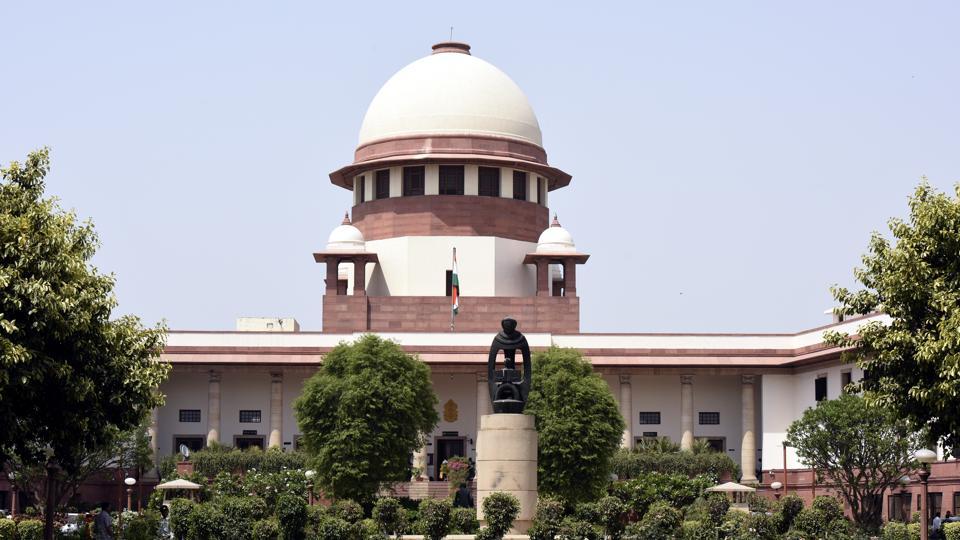
A constitution bench of five judges of the Supreme Court was hearing NGO Common Cause’s plea to declare ‘right to die with dignity’ as a fundamental right within the fold of right to live with dignity guaranteed under Article 21 of the Constitution.
A ‘living will’ is a concept where a patient can give consent that allows withdrawal of life support systems if the individual is reduced to a permanent vegetative state with no real chance of survival.
Additional solicitor general PS Narsimha informed the court that there was already a law on passive euthanasia and the government had drafted a ‘management of patients with terminal illness-withdrawal of medical life support bill’.
The draft bill, called The Medical Treatment of Terminally Ill Patients (Protection of patients and medical Practitioners ) Bill, 2016, says every advance medical directive (also called ‘living will’) or medical power of attorney executed by a person shall be taken into consideration in matter of withholding or withdrawing medical treatment but it shall not be binding on any medical practitioner.
The ‘living will’ is a type of advance directive that may be used by a person before incapacitation to outline a full range of treatment preferences or, most often, to reject treatment. While the draft bill does not explicitly use the term passive euthanasia, it permits ‘life sustaining treatment’ to be refused by a competent patient and such a decision will be binding on the doctor.
However, the draft bill has a controversial clause that allows a minor aged above 16 to take an informed decision and express a desire to withhold or withdraw medical treatment and allow nature to take its own course.


