
 E-Paper



How lack of intel makes security personnel vulnerable to Maoist attacks in Sukma
Maoists have had a stranglehold over this region for the last 20 years, making it their core area. Most villagers in the region, otherwise isolated from the outside world, have a strong emotional connect with the rebels.

 Prefer HTon Google


Police officers are investigating the alleged intelligence failure that led to the vicious attack by Maoists on a Central Reserve Police Force (CRPF) contingent during a road-opening event at Burkapal in Sukma district on Monday.
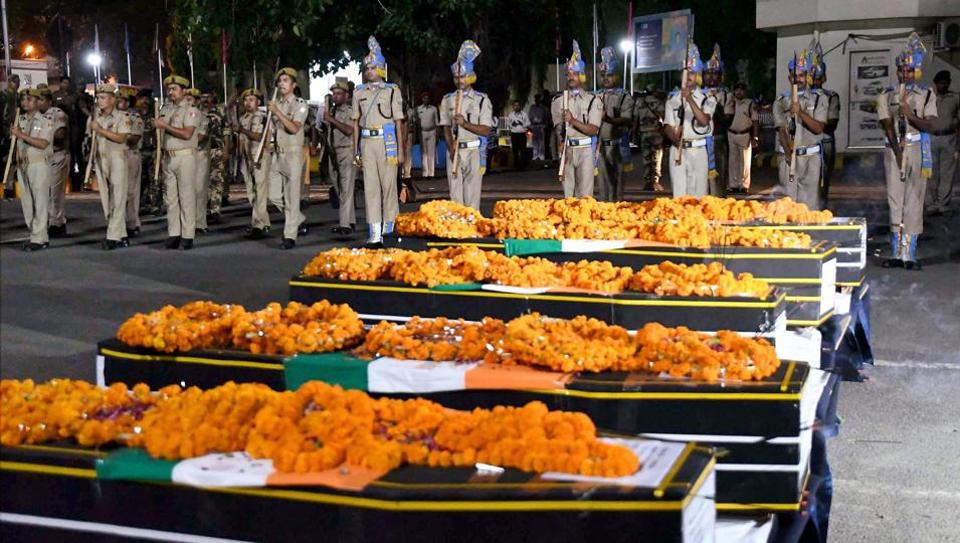
As many as 25 CRPF personnel were killed in the incident.
Two questions continue to haunt investigators probing the incident. Why does security intelligence continuously fail in south Sukma? And why have security forces not succeeded in penetrating villages in the region?
Security personnel in the so-called “Maoist capital” profess helplessness on both counts. “Maoists have had a stranglehold over this region for the last 20 years, making it their core area. Most of the families in the region have come under their influence, with guerilla fighters being posted in nearly all its villages. Furthermore, anybody who rebels against them are put down brutally,” said a senior officer posted in south Sukma.
Besides this, technical intelligence is virtually absent in the region. As for human intelligence, it’s not reliable or prompt enough to matter.
Two months ago, Maoists killed Mandavi Dulha – the head of Burakpal village – after branding him as a police informer. With that, even the few villagers who were providing intel to the CRPF ceased their activities immediately.
“There was intelligence failure in Burkapal attack. We have lack of information inflow in that region,” said a senior police officer of Raipur. Though law enforcement agencies do get information on the movement and presence of Maoists from time to time, the “intelligence gap” is glaring.
“Mostly, the human inputs we receive get too diluted by the time they reach us,” said an intelligence officer posted in south Sukma. “It’s difficult to track the militants because they organise operations in the region very quickly. They carry out ambushes before we can even get a full picture of their intent.”
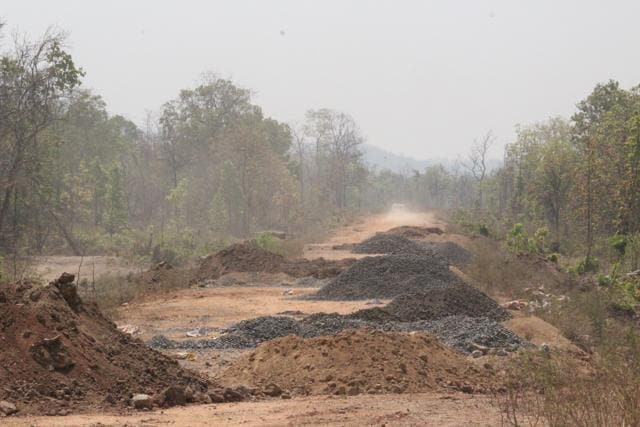
The officer listed several reasons for the security forces’ inability to secure the villagers’ support. “Firstly, a majority of the villagers have an emotional connect with Maoists because most of the recruitments are done from this very region. Secondly, the rebels have isolated these villages from the outside world. They have no option but to live under their patronage,” said the officer.
Some claimed that the attacks carried out over the last two months arose from an acute shortage of arms and ammunition in the rebel ranks. The Maoist battalion has about 150 heavily armed fighters who coordinate with local units consisting of villagers.
“They can get the arms and ammunition they need only through such operations,” another officer said, adding that several attempts to attack security forces in the last two years had gone in vain.
“It was then that they decided to attack the road opening party of CRPF personnel. It yielded them lots of arms and ammunition, not to mention a psychological advantage,” he said.
-kW0H-U20214218012MgB-250x250%40HT-Web.jpg)


