
 E-Paper



Pathankot attack: India to put JeM rider on upcoming talks with Pak
India plans to ask Pakistan to take penal action against the outlawed Jaish-e-Muhammed, behind the Pathankot attack, for a productive foreign secretary-level dialogue to take place in Islamabad on January 15.

 Prefer HTon Google


India plans to ask Pakistan to take penal action against the outlawed Jaish-e-Muhammed, behind the Pathankot attack, for a productive foreign secretary-level dialogue to take place in Islamabad on January 15.
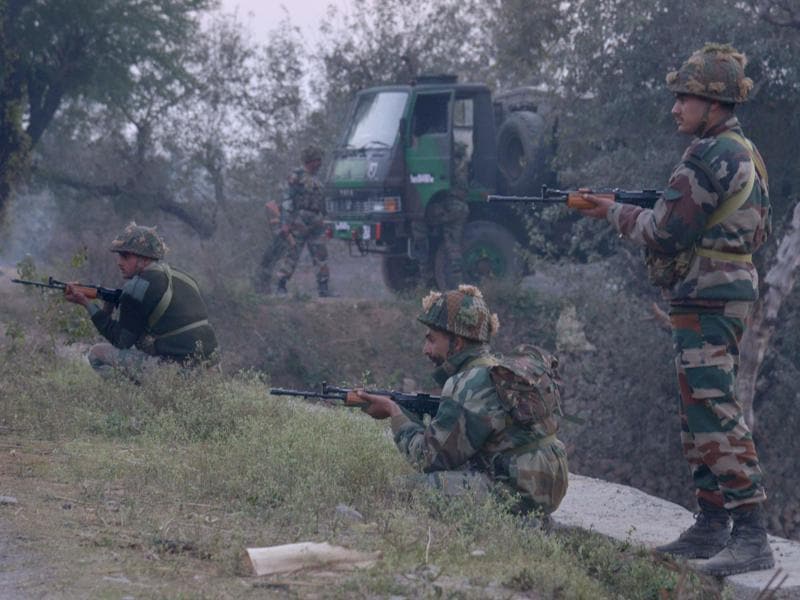
According to highly placed sources, Delhi has evidence tracing the attack to Pakistan’s Bahawalpur, where JeM leader Masood Azhar — a key figure in the 1999 IC-814 hijacking — is based, and that it has the signature of the ISI.
Pakistan has condemned the attack and reaffirmed its commitment to fighting terror, but the Indian establishment is learnt to be upset about its inability to rein in its jihadis and their ISI sponsors.
“The terrorists (in Pathankot) had Pak DNA and were dropped near the Indian border in Kathua-Gurdaspur sector on Dec 29-30 in a Land Cruiser and Pajero. If Pakistan wants the foreign secretary dialogue to be productive, PM Nawaz Sharif should arrest Maulana Masood Azhar and bring him to justice,” said a top diplomat.
Read: For 24 hours, terrorists dodged security before attacking Pathankot base
After PM Narendra Modi’s surprise Lahore visit on Dec 25, the Indian security establishment was certain forces opposed to the new-found friendship would launch an attack to scuttle future dialogue. On Dec 28, national security adviser Ajit Doval met military and intelligence chiefs and internal security and foreign policy advisers to hone in on the group most likely to strike.
Some believed it would be the al Qaeda in the Indian Subcontinent (AQIS) while others pointed to the Islamic State. But a section also said the attack could be carried out by the JeM, Tehreek-e-Taliban Pakistan or Lashkar-e-Jhangvi.
Matters turned serious when Indian agencies picked up communication intercepts between JeM terrorists and their ISI handlers towards 2015-end signaling the date of the attack being initially fixed for Jan 1 and the target being the Pathankot air base. Further confirmation came with the abduction of Gurdaspur SP Salwinder Singh on Friday by five suspected terrorists who used his phone to call Pakistan.
Doval held another meeting with military and intelligence chiefs. They decided to deploy the National Security Guard and use the army’s Casspir bomb-proof vehicles. All air assets were removed from the base, where 168 NSG commandoes were deployed by Friday night. The Western Air Command chief was given the reins of the operation. Despite the high alert and eight-foot walls, the terrorists managed to get in and kill three IAF personnel.
“While India is all for talks, we need answers and action from Pak NSA Lt Gen Nasser Khan Janjhua on the state involvement in the Pathankot attack. The international community should put pressure on Pakistan to act against its indigenous jihad factory. Else, India and Pakistan will talk past each other,” said a government official.
Read| Pathankot terrorists spoke of revenge for Afzal Guru: Gurdaspur man


