
 E-Paper



Remembering Rajiv Gandhi on his 26th death anniversary
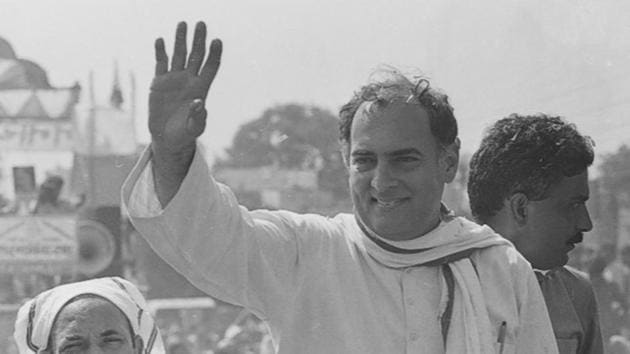
On this day in 1991, Rajiv Gandhi was assassinated in Sriperumbudur, near Madras by an LTTE suicide bomber. Anti-terrorism day was declared on the 21st of May 1992 on his first death anniversary. 26 people related to this case were given death sentence under Terrorist and Disruptive Activities Act (TADA) which was unprecedented in India. After an appeal to the Supreme Court only four of the main accused, Nalini, Murugan,Sivarasan and Subha were sentenced to death. (Arun Jetlie/ht photo)
Updated on: May 21, 2017 1:20 PM IST


Share via


Copy link

1/7
 View Photos in a new improved layout
Updated on May 21, 2017 1:20 PM
On this day in 1991, Rajiv Gandhi was assassinated in Sriperumbudur, near Madras by an LTTE suicide bomber. Anti-terrorism day was declared on the 21st of May 1992 on his first death anniversary. 26 people related to this case were given death sentence under Terrorist and Disruptive Activities Act (TADA) which was unprecedented in India. After an appeal to the Supreme Court only four of the main accused, Nalini, Murugan,Sivarasan and Subha were sentenced to death. (Arun Jetlie/ht photo)
2/7
 View Photos in a new improved layout
Updated on May 21, 2017 1:20 PM
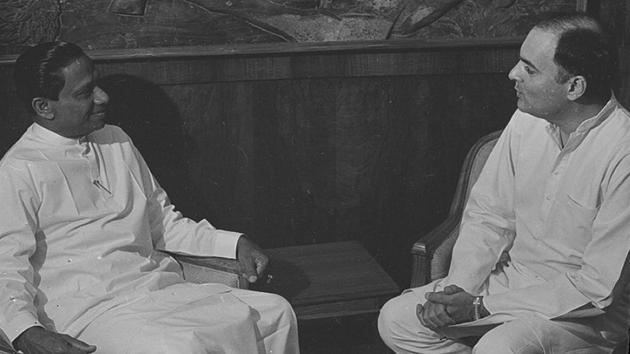
Prime Minister Rajiv Gandhi with Sri Lanka PM Ranasinghe Premadasa in 1988. He signed Indo-Sri Lanka accord in 1987 to help the Sri Lankan government end the civil war between Liberation Tigers of Tamil Eelam (LTTE) and the Sri Lankan military. (SN SINHA/ht photo)
3/7
 View Photos in a new improved layout
Updated on May 21, 2017 1:20 PM
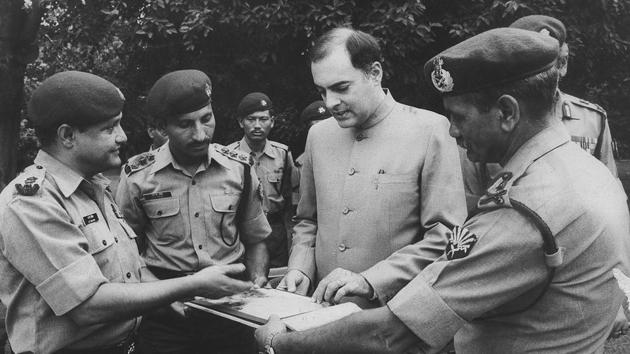
The accord with Sri Lanka lead to the establishment of Indian Peace Keeping Force (IPKF) whose main role was to disarm the militants group especially LTTE in Sri Lanka. Signed as a non violent agreement, after few months in Sri Lanka, IPKF had to engage in multiple combat operations because of LTTE’s repeated attacks on them. (ht photo)
4/7
 View Photos in a new improved layout
Updated on May 21, 2017 1:20 PM
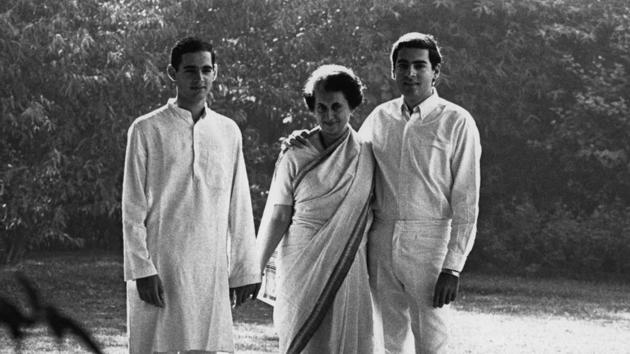
Indira Gandhi along with sons Sanjay and Rajiv Gandhi at their home in New Delhi in the late 1970s. (Getty Images)
5/7
 View Photos in a new improved layout
Updated on May 21, 2017 1:20 PM
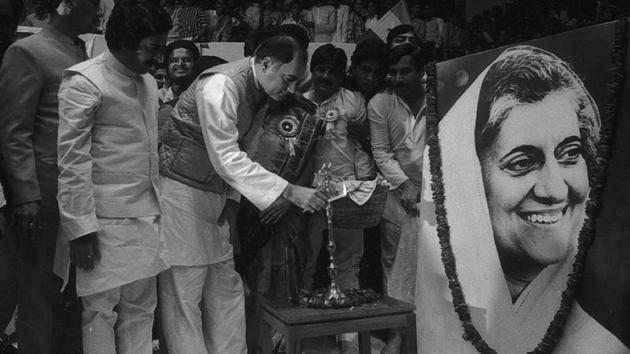
Rajiv Gandhi became the youngest prime minister of India at the age of 40 after the assassination of her mother Indira Gandhi in 1984. (virendra prabhakar/ht photo)
6/7
 View Photos in a new improved layout
Updated on May 21, 2017 1:20 PM
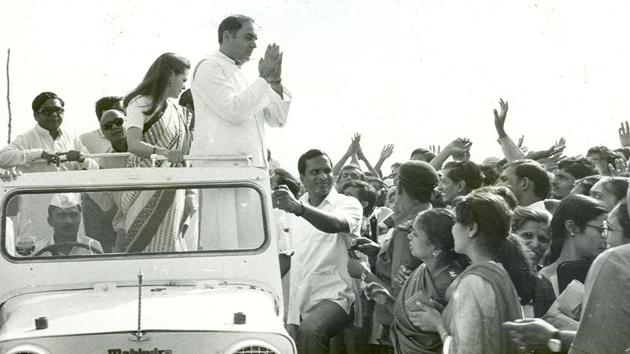
Though many of the insurgents in Sri Lanka peacefully gave in under the IPKF, matters deteriorated soon and fighting erupted again once the IPKF left in 1990 under VP Singh’s government. (ht photo)
7/7
 View Photos in a new improved layout
Updated on May 21, 2017 1:20 PM


