
 E-Paper



See pictures of adorable Bengal tiger cubs born at El Salvador shelter
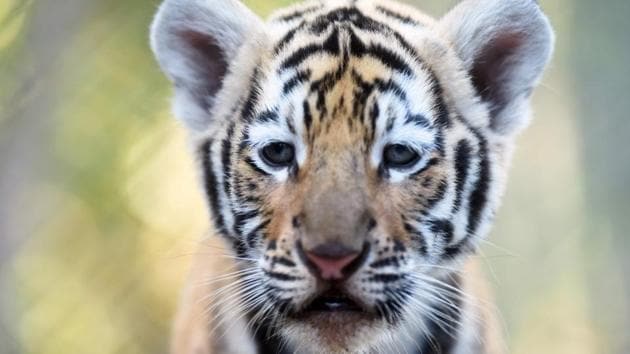
A 45-day-old Bengal tiger cub (Panthera Tigris Tigris), is photographed at the Wild Shelter Foundation (FURESA) in Jayaque in El Salvador, 40 kilometres west of San Salvador, on January 31, 2017. Four Bengal tiger cubs, an endangered species, successfully born through normal delivery at the shelter. (Marvin RECINOS / AFP)
Updated on: Feb 2, 2017 5:32 PM IST


Share via


Copy link

1/11

 View Photos in a new improved layout
Updated on Feb 2, 2017 5:32 PM
A 45-day-old Bengal tiger cub (Panthera Tigris Tigris), is photographed at the Wild Shelter Foundation (FURESA) in Jayaque in El Salvador, 40 kilometres west of San Salvador, on January 31, 2017. Four Bengal tiger cubs, an endangered species, successfully born through normal delivery at the shelter. (Marvin RECINOS / AFP)
2/11
 View Photos in a new improved layout
Updated on Feb 2, 2017 5:32 PM
The Bengal Tiger is one of the largest species of tigers in the world. (Marvin RECINOS / AFP)
3/11
 View Photos in a new improved layout
Updated on Feb 2, 2017 5:32 PM
One of the tiger cubs relaxes at the Wild Shelter Foundation. Bengal tigers live in India and are sometimes called Indian tigers. They are the most common tiger and number about half of all wild tigers. Over many centuries they have become an important part of Indian tradition and lore. (Marvin RECINOS / AFP)
4/11
 View Photos in a new improved layout
Updated on Feb 2, 2017 5:32 PM
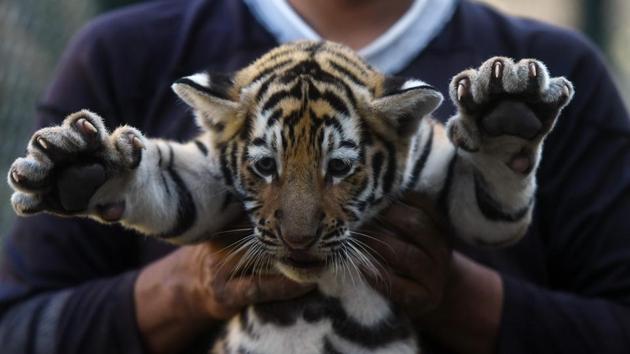
A tiger cub being shown off by a keeper at its enclosure. Cubs cannot hunt until they are 18 months old and remain with their mothers for two to three years, when they disperse to find their own territory. (Marvin RECINOS / AFP)
5/11
 View Photos in a new improved layout
Updated on Feb 2, 2017 5:32 PM
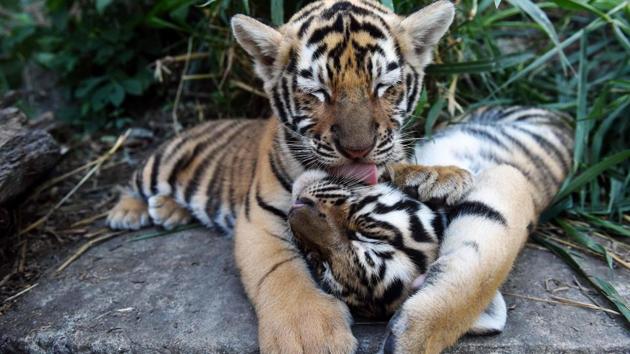
Two cubs cuddle at the shelter. Four bengal tiger cubs, an endangered species, successfully born through normal delivery at the FURESA animals shelter. (Marvin RECINOS / AFP)
6/11
 View Photos in a new improved layout
Updated on Feb 2, 2017 5:32 PM
Over the last 100 years, hunting and forest destruction have reduced tiger populations from hundreds of thousands of animals to perhaps fewer than 2,500. (Marvin RECINOS / AFP)
7/11
 View Photos in a new improved layout
Updated on Feb 2, 2017 5:32 PM
The cubs nurse their mother until they are about 24 weeks old. (Marvin RECINOS / AFP)
8/11
 View Photos in a new improved layout
Updated on Feb 2, 2017 5:32 PM
At birth, the cubs weigh approximately two pounds at birth and are blind and utterly dependent on their mother for food and protection. ( Marvin RECINOS / AFP)
9/11
 View Photos in a new improved layout
Updated on Feb 2, 2017 5:32 PM
The Bengal tiger is found in India as well as Bangladesh and it is known to live both in the heated areas of desert and the grasslands where it is wet and cool. (Marvin RECINOS / AFP)
10/11
 View Photos in a new improved layout
Updated on Feb 2, 2017 5:32 PM
A 45-day-old bengal tiger cub relaxes at the shelter. (Marvin RECINOS / AFP)
11/11
 View Photos in a new improved layout
Updated on Feb 2, 2017 5:32 PM


