
 E-Paper



The quiet grandeur of Borobudur temple in Indonesia
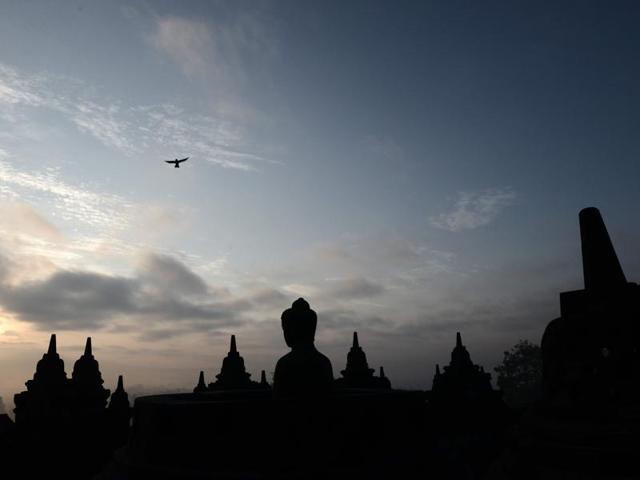
This picture taken on May 10, 2016 shows a statue of Buddha at the Borobudur temple in Magelang in Indonesia’s central Java province. The place is a 9th-century Mahayana Buddhist Temple. (AFP)
Updated on: May 12, 2016 7:43 PM IST


Share via


Copy link

1/8

 View Photos in a new improved layout
Updated on May 12, 2016 7:43 PM
This picture taken on May 10, 2016 shows a statue of Buddha at the Borobudur temple in Magelang in Indonesia’s central Java province. The place is a 9th-century Mahayana Buddhist Temple. (AFP)
2/8
 View Photos in a new improved layout
Updated on May 12, 2016 7:43 PM
For centuries, Borobudur lay hidden under layers of volcanic ash until restoration programme undertaken between 1973 and 1984 returned much of the complex to its former glory, and the site has since become a destination of Buddhist pilgrimage. (AFP)
3/8
 View Photos in a new improved layout
Updated on May 12, 2016 7:43 PM
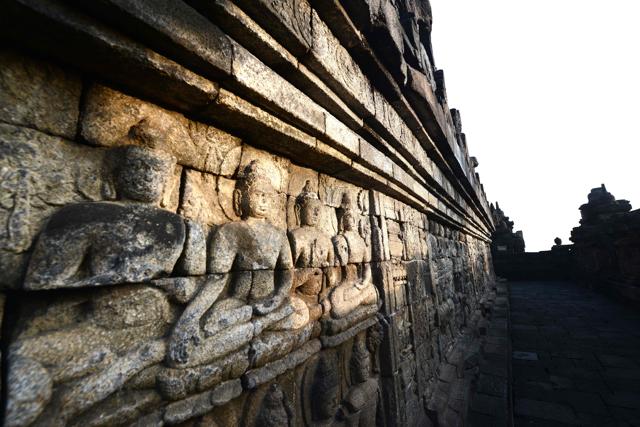
The temple boasts of 2,672 relief panels and 504 Buddha statues. (AFP)
4/8
 View Photos in a new improved layout
Updated on May 12, 2016 7:43 PM
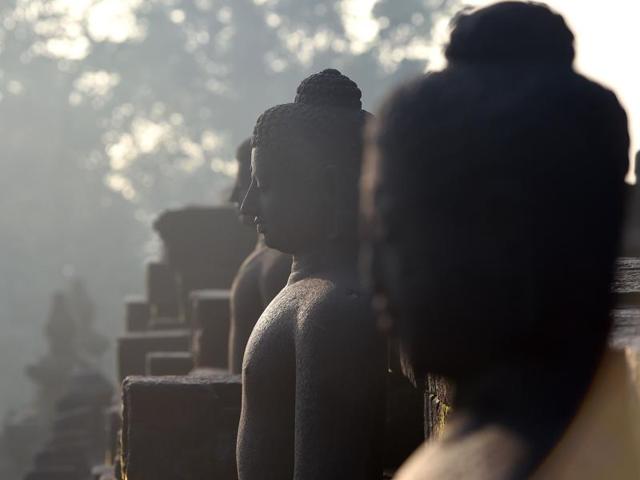
72 Buddha statues surround the central dome with each statue seated inside a perforated stupa. Borobudur is the world’s largest Buddhist temple. (AFP)
5/8
 View Photos in a new improved layout
Updated on May 12, 2016 7:43 PM
The temple complex was built by the Sailendra dynasty of Indonesia in the 9th century. (AFP)
6/8
 View Photos in a new improved layout
Updated on May 12, 2016 7:43 PM
The temple was built in the Javanese Buddhist architectural style blending Indonesian indigenous cult of ancestor worship with Buddhist notion of nirvana. The monument also has elements of the Gupta period architecture. (AFP)
7/8
 View Photos in a new improved layout
Updated on May 12, 2016 7:43 PM
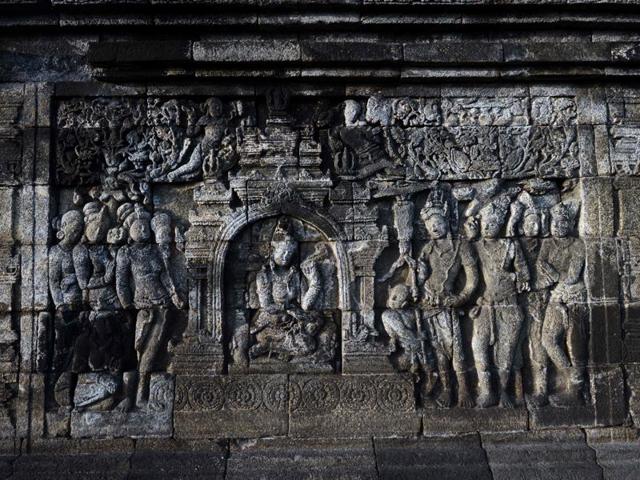
After enjoying patronage for six centuries, Borobudur was abandoned in the 14th century when Java converted to Islam. (AFP)
8/8
 View Photos in a new improved layout
Updated on May 12, 2016 7:43 PM


