
 E-Paper



Too many tourists! Destinations that limit the number of visitors
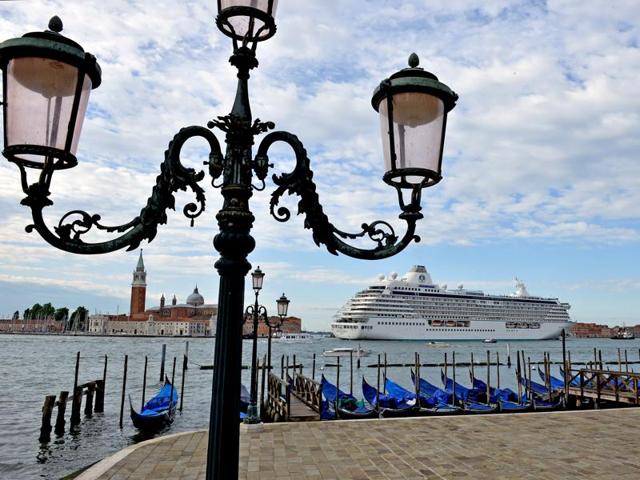
Many tourist hotspots globally are choosing to limit the number of visitors due to overwhelming number of arrivals. Venice, which receives 22 million each year compared to its population of 55,000, is considering everything from an online ticketing for entry to smartphone apps that regulate crowd control. Here’s a tour of other places taking similar steps. (AFP)
Updated on: Nov 9, 2016 3:30 PM IST


Share via


Copy link

1/7
 View Photos in a new improved layout
Updated on Nov 9, 2016 3:30 PM
Many tourist hotspots globally are choosing to limit the number of visitors due to overwhelming number of arrivals. Venice, which receives 22 million each year compared to its population of 55,000, is considering everything from an online ticketing for entry to smartphone apps that regulate crowd control. Here’s a tour of other places taking similar steps. (AFP)
2/7
 View Photos in a new improved layout
Updated on Nov 9, 2016 3:30 PM
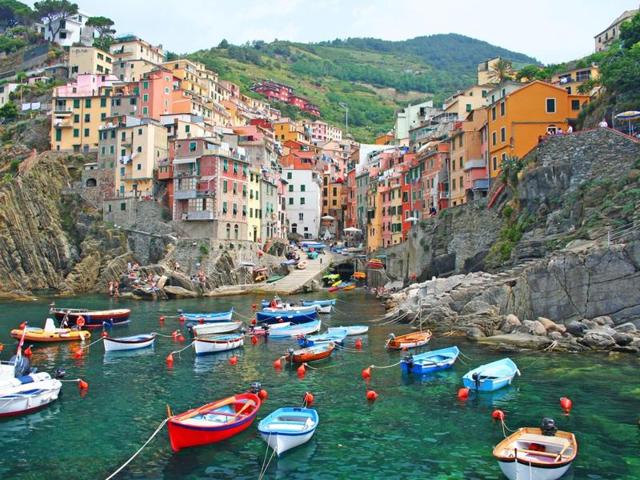
Last year, Cinque Terre in Italy received 2.5 million tourists. Officials hope to limit the number to 1.5 million a year with the introduction of special tourist cards that would have to be purchased in order to access the trails. (Shutterstock)
3/7
 View Photos in a new improved layout
Updated on Nov 9, 2016 3:30 PM
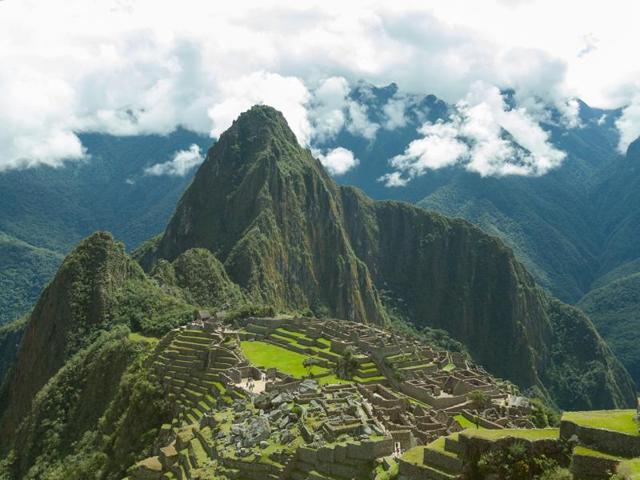
In a bid to preserve and protect Peru’s fabled and ancient Machu Picchu, mountaintop ruins, the country has developed a new reconceptualization project that imposes time limits as a means to control crowd flow. For years experts warned that the UNESCO World Heritage Site was at risk of irreversible damage and degradation from the unsustainable number of visiting tourists. If you want to hike to the summit, the government now limits access to the classic Inca Trail to 500 permits a day which includes support staff, such as cooks, porters and guides, reducing that number to about 200. (Shutterstock)
4/7
 View Photos in a new improved layout
Updated on Nov 9, 2016 3:30 PM
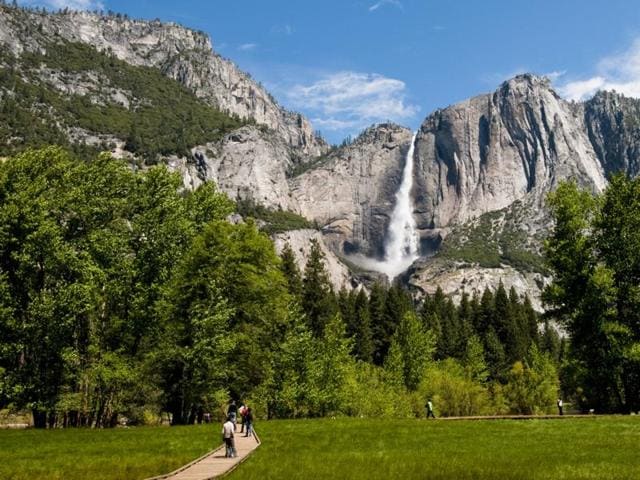
To protect one of America’s most beautiful national treasures, the US National Park Service announced measures to cap visitor numbers to 18,710 a day, and 21,000 visitors a day during peak seasons back in 2014. Yosemite was the fourth most visited national park in the US in 2015, and is best known for its waterfalls, valleys, meadows, ancient sequoias and vast wilderness. To ease congestion and reduce car-related pollution, park officials also added buses to shuttle large numbers of visitors at once. (iStock)
5/7
 View Photos in a new improved layout
Updated on Nov 9, 2016 3:30 PM
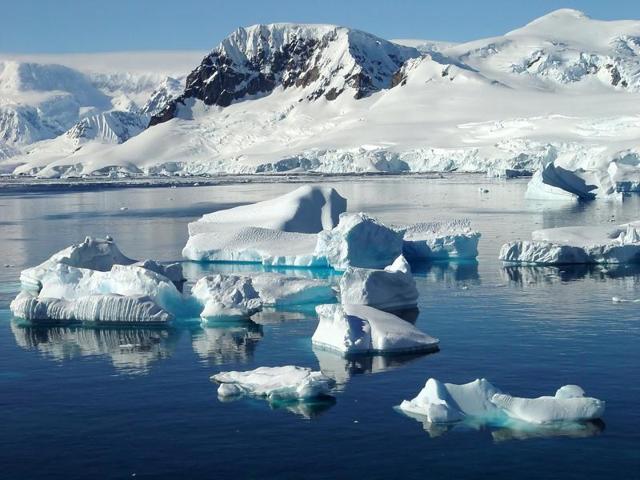
To protect one of the few final frontiers unspoiled by human activity and tourism, The Antarctic Treaty restricts ships with more than 500 passengers from landing sites. Vessels are also restricted to no more than one landing per site, with a maximum of 100 passengers allowed on shore at a time. A ratio of one guide to 20 passengers must also be maintained while ashore. (Shutterstock)
6/7
 View Photos in a new improved layout
Updated on Nov 9, 2016 3:30 PM
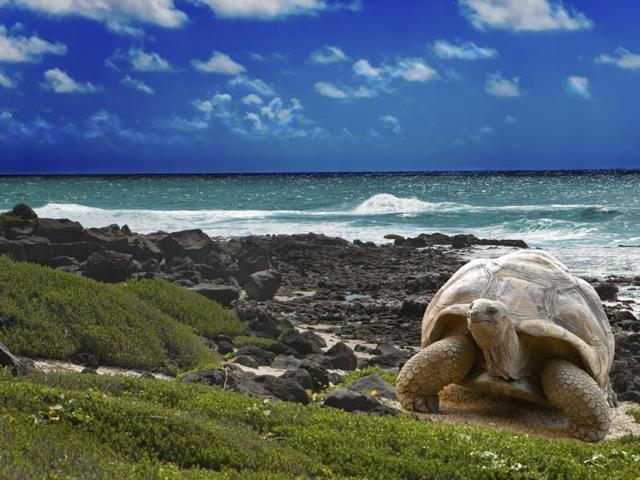
Described as a “living museum and showcase of evolution”, the collection of 19 islands which make up the Galapagos Islands groaned under the pressure of unsustainable tourism numbers over the years, putting it on the United Nations’ list of endangered heritage sites. Today, a conservation programme has successfully helped it make a solid recovery. To visit, tourists must now be accompanied by a licensed Galapagos National Park Guide, and must abide by strict rules when visiting the area. Camping is also allowed in only a handful of authorized areas and requires a permit from park officials. (Istock)
7/7
 View Photos in a new improved layout
Updated on Nov 9, 2016 3:30 PM


