E-Paper



A documentary chronicles the memories associated with Rhythm House


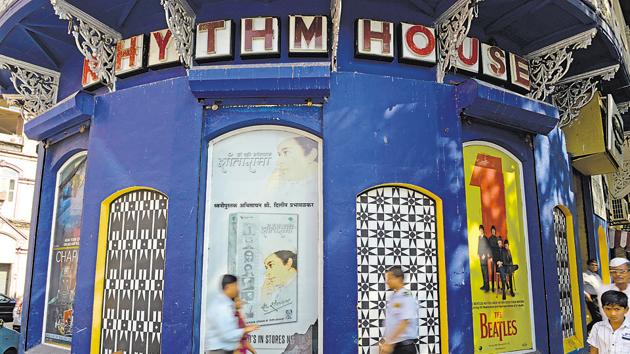
The 37-minute-long film showcases Rhythm House’s gradual surrender in the face of advancements in technology and piracy.
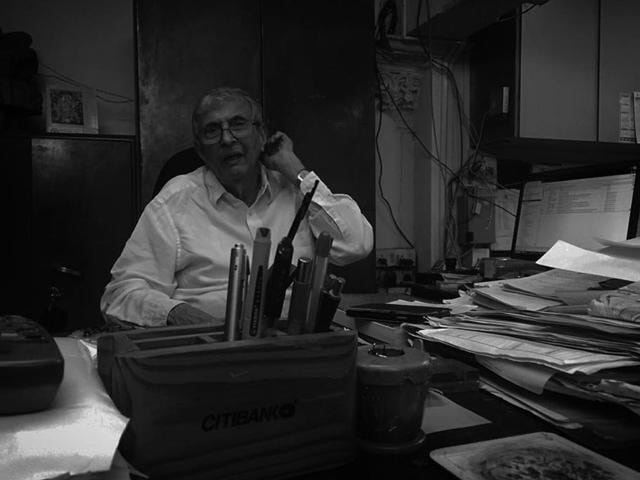
The documentary opens with the shot of a man sitting inside the music store Rhythm House at Kala Ghoda. The scene is set a few days before March 1, when the store shut its doors to the public. Most of the lights in the store are off and the footage is fairly dark. An obscure tube light is flickering behind the camera, lighting the frame with a surreal, lonely aura.
The man introduces himself as an employee of Rhythm House, and confesses that when he joined, he had never heard of musicians, such as Pt Jasraj and Pt Bhimsen Joshi. “I didn’t know if they are singers or instrumentalists,” he says.
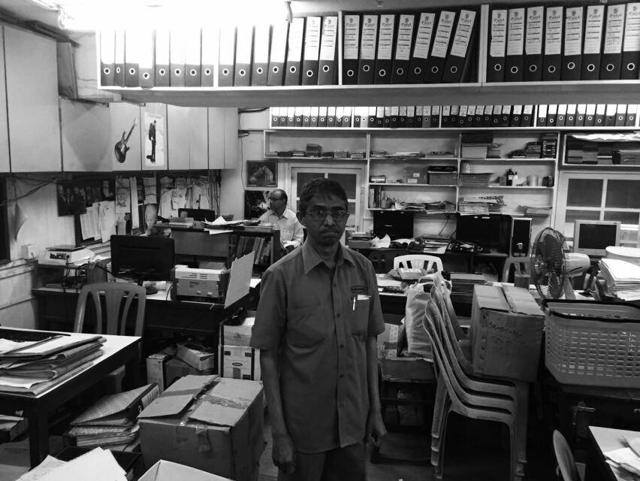
What follows is an anthology of quotes from erstwhile employees — they share their experiences from the iconic store. “I have interacted with a customer who has been visiting us for the last 27 years. She drops by on celebrity birthdays to distribute sweets,” recalls an employee.
Another employee recounts befriending three generations of a family who visited the store together. “A grandfather, his son and his grandson used to troop in and listen to a varied range of music,” she says.
This is the basic premise of The Last Music Store (TLMS), a documentary by Mumbai-based film-maker Megha Ramaswamy (34). The 37-minute-long film showcases the significance of this Mumbai landmark and its gradual surrender in the face of advancements in technology and piracy.
Read more: Why single women struggle to find a home in Mumbai
“We shot the film during the last working week of the store, to capture the emotions and energy of the employees who had been working there for decades,” says Ramaswamy.
The Last Music Store opened at the South Asian International Film Festival (SAIFF), New York, on December 4, and was announced as the winner of the Audience Choice Best Documentary Film of the Year.
Flashback
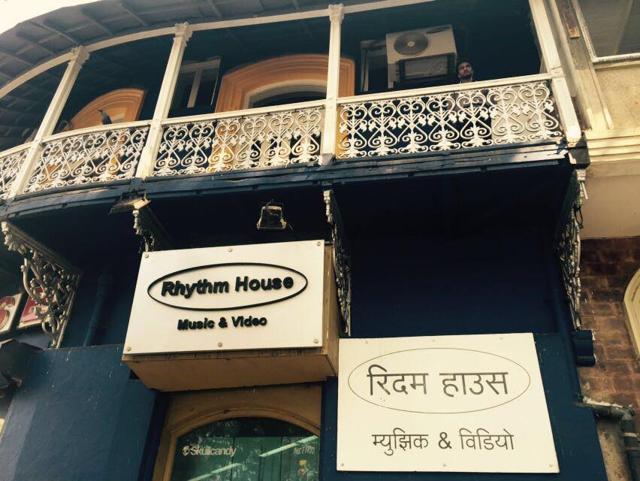
Ramaswamy says the idea for the film came from Aliya Curmally, the daughter of the store’s chairperson Amir Curmally. She approached Ramaswamy to shoot the film as the two were friends. “We started shooting within a few days. There was no script or tentative storyline. We wanted to highlight the magnitude of the loss Mumbai would experience when the store shut down,” says Ramaswamy.
The story unfolds only through interviews of staff members and the owners, including Amir and Mahmood Curmally. Through interviews and testimonials, the film establishes the importance of Rhythm House as a place where music could not only be purchased, but also experienced.
“Rhythm House was a place where staffers would have long conversations with you to understand your personal music sensibilities and taste. It was more personal than an amazon.com recommending another purchase based on your current choice,” says Ramaswamy.
Read more: A filmmaker traced five generations of ancestors. Now, he’s making a film on it
TLMS was also a personal journey for Ramaswamy, who first visited the store in 2004. “I moved from Mumbai to Pune the same year, and visiting Rhythm House was a ritual each time I came to South Mumbai. It played a major role in my musical outlook over the years. So much so, that today, I can’t cross Kala Ghoda without welling up,” says Ramaswamy.
The film opened to positive reviews at SAIFF. Ramaswamy recalls an audience member walking up to her in tears, thanking her for making the film. “He probably had not heard about Rhythm House before. But to see foreign audiences moved by the film further reiterates the fact that iconic music stores are fighting a losing battle. It’s a battle against technology and piracy — something one can relate to in all corners of the world,” she says.