E-Paper



A YouTube project wants to revive forgotten Hindi and Urdu poems through short videos


Here’s how you take Hindi and Urdu poetry to a generation glued to phone screens
The video begins with a voice-over. The subtitles appear on screen: “Abhi to baat lamhon tak hai, saalon tak nahin aai, abhi muskaanon ki naubat bhi naalon tak nahi’n aai … kaho to laut jate hain (we’ve had only a few moments together, not years yet. Our smiles haven’t turned to tears yet… we can still turn back).”
It’s the opening of an Urdu poem, titled Kaho To Laut Jate Hain (Let’s go back if you say so). Written by a new-age Urdu poet Wasi Shah, the premise is that of a growing disconnect between a couple, and the resentment that follows. The poet urges his significant other to end things before they get bad, so they may fondly remember the joy that currently prevails.
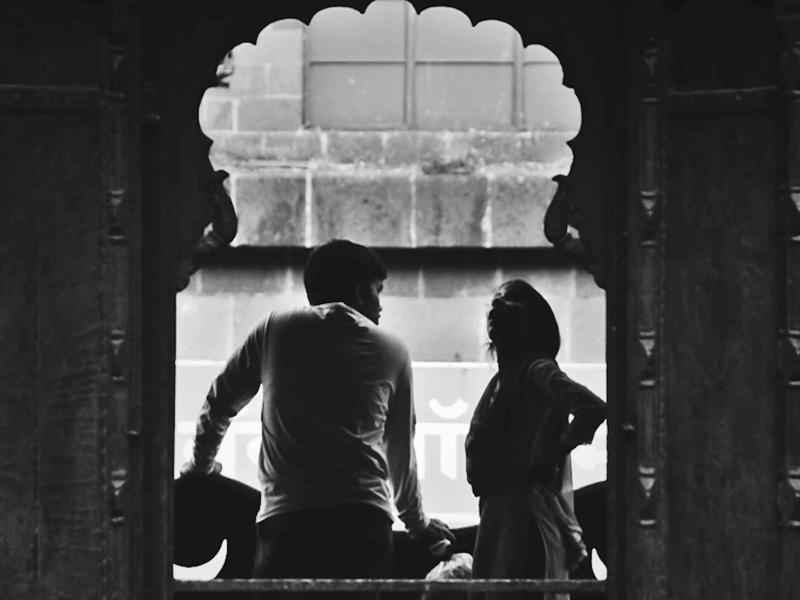
Accompanying the narration is a shot of a couple, seemingly on a date. They are sitting at the table, silently browsing through their phones. No words are exchanged. “It’s what modern relationships have come to. We are with someone, but we’re distracted, addicted to a feeling of isolation,” says Shivam Sharma (27), a Pune-based business analyst, who has done the voice-over for the video.
Kaho To Laut Jate Hain is the latest video released by Sharma as part of The Mansarovar Project (TMP). Through it, Sharma hopes to shed light on some of the lesser-known Hindi and Urdu poems, by interpreting them through videos. Launched on September 3, the series has more than 1,000 views on each of its six videos.
Read more: From pubs to art galleries: How poetry is getting cool again
Watching the poem
Sharma grew up in Ghaziabad, Uttar Pradesh, and enjoyed stories and poetry. He says that TMP was born through informal recitations. The positive feedback he received for his voice and poetry reading encouraged him to consider a poetry podcast.
“But I knew Neelesh Misra [a radio personality] had a similar show, so I wanted to do something different. On a whim, I recorded and shot a called poem, Tu Kavita Ho Jana, that I have written, and uploaded it on YouTube,” recalls Sharma.
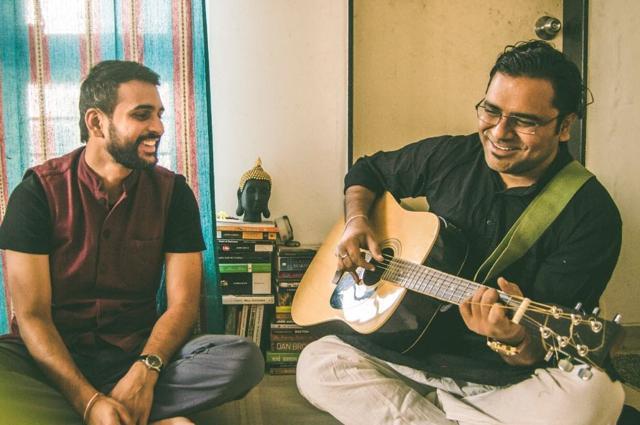
The video was well received: it clocked 1,500 views on YouTube overnight. So, Sharma decided to take the concept forward, with professional assistance. “I reached out to a photographer friend, Anant Nath Sharma (30). We follow a two-step process: I read the poem out to him. In turn, he tells me what flashed before his eyes while listening, and then we go shoot,” says Sharma.
Read more: Poets of Instagram: How social media is making poetry hip again
Their approach is minimalistic. For instance, for the video titled Ghar, based on a poem by Agyeya, the visuals are of a man doing mundane domestic chores. Yet, combined with the poem’s verses, which reflect on the fickle concept of home — a walled fortress that limits your perception of the world — highlights the poet’s existential crisis and feeling of being cut off.
Though still at a nascent stage, the project’s aim is to make a mark on social media. “Strangers who have stumbled upon TMP on YouTube have reached out to us. One person wrote that he was glad Urdu poetry was getting noticed. He even requested to be a part of the team,” says Sharma.