E-Paper



Madhya Pradesh to produce organic fertilizer from human hair
The Madhya Pradesh environment department and NGO Sarthak will set up amino acid growth promoter plants in Indore, Bhopal, Jabalpur and Gwalior.

 Prefer HTon Google


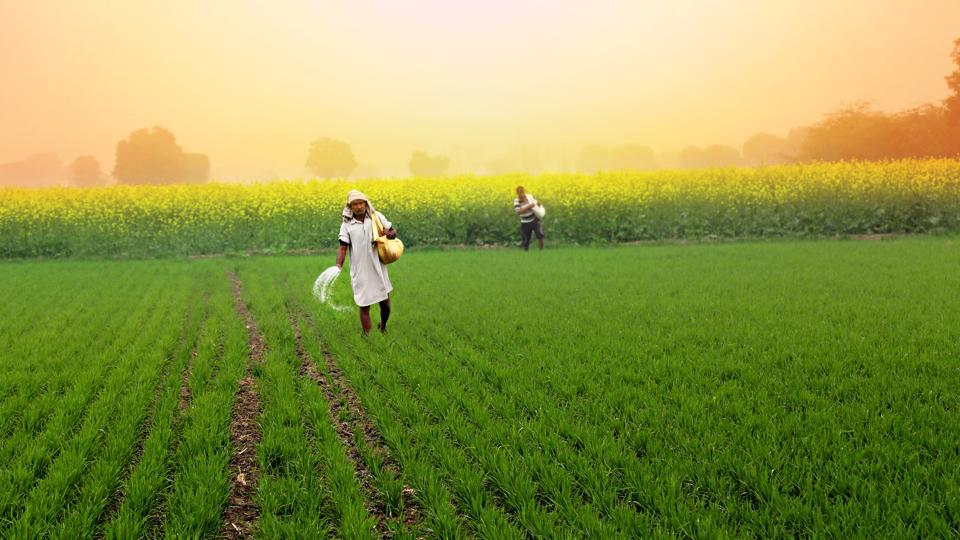
The Madhya Pradesh government will soon start production of amino acid from human hair and provide it to farmers at one-third of the market price to be used as organic fertilizer, government officials said.
The government’s environment department signed an agreement with an NGO named Sarthak on Monday to produce and market amino acid.
Human hair is a good source of amino acid and it is estimated that 1 kg hair can produce 20 litres amino acid. The hair is heated up to 400 degree Celsius when it turns into liquid, which is then mixed with water to prepare the solution. Like other fertilizer, amino acid solution mixed with water is sprayed on plants. Amino acid acts as natural stimulant and hair has different types of amino acid including lysine which is very good for legume growth.
MP is the second highest producer of legumes with 19.5% as per the data of MP agriculture department.
The environment department of Madhya Pradesh and the NGO Sarthak will set up amino acid growth promoter plants in four big cities of Madhya Pradesh - Indore, Bhopal, Jabalpur and Gwalior.
The government is supporting the exercise technically and financially. The plant in Indore with a daily production capacity of 20 litres cost Rs 1.1 lakh. The government is planning a bigger plant in Bhopal which would cost around Rs 3 lakh.
Environment department’s principal secretary and pollution control board chairman Anupam Rajan said, “This is an innovative idea as there is no management of hair once it is cut and usually goes waste. Not only will the amino acid plants reduce the waste of hair it will also help the farmers in getting a good fertilizer at much lower cost.”
Rajan agreed that the main problem would be to collect hair. “It would be a tough task, but we will tie up and procure it from saloons, religious places so that there is never a shortfall,” he said.
A member of waste management committee of MP, constituted by the state government, and a convener of Sarthak, Imtiaz Ali said, “We have collected hair from different saloons in Indore and took out amino acid by converting hair into a liquid form. We got very good result so we have decided to expand it.”
Currently 20 saloons are providing hair to Indore Municipal Corporation (IMC) free of cost for the test run in the plant. More than a hundred small and big saloons have shown interest in donating hair. According to IMC official, no additional cost will be incurred as the IMC employees are engaged in door to door collection of garbage.
Ali said the cost of amino acid production is about Rs 80-85 per litre whereas its market cost is about Rs 300/litre and they have decided to sell it at Rs 90-100/litre.
Currently commercial production of amino acid is largely dependent on chemicals.
“A company in Nagpur has already adopted this model and we will implement the same in MP. This process is result of a research done at Mahatma Gandhi Institute of Rural Industrialisation (MGIRI), a central government agency based at Wardha,” Rajan said.
The government has not prepared initial estimate of how many farmers will benefit from this initiative. The data about quantity of amino acid being used in MP is also not available.