So far, Bharia, Gond and the Korku tribals have been primarily farming and hunting. Education was never in their to-do list. Suddenly, the tribals of Madhya Pradesh have started realising that education was a must for their future generations.
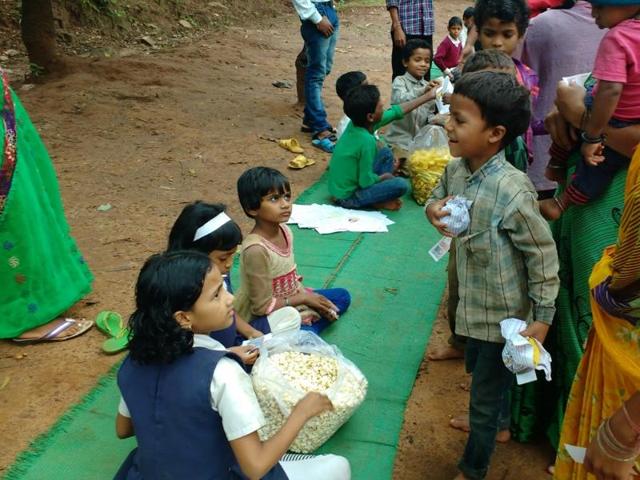
The tribals now regularly attend the parent-teacher meets and even review their children’s growth. After all, they are now delighted to see their children read and write.
Eklavya Foundation’s Shiksha Protsahan Kendra (SPK) project is running in almost 33 villages in Tamia with more than 50 centres benefiting almost 2,000 children belonging to Bharia, Gond and Korku tribes.
“SPKs assist and provide academic environment to first generation school-goers. To provide and assist in quality education is the sole motive. A small village (with less than 50 households) has one SPK and big villages sometimes have two SPKs,” said Akanksha Tyagi of Eklavya.
“We have undertaken small studies based on pre-determined objectives like attendance, baseline assessments for identifying learning levels of children, interviews with drop-outs to identify reasons for leaving studies etc,” Tyagi said.
“Monthly ‘paalak baithak’ are organised at every SPK in any of parents’ home. This helps in building learning atmosphere,” she said. The SPKs are run from 7am to 9am in the government school premises everyday.
{{/usCountry}}“Monthly ‘paalak baithak’ are organised at every SPK in any of parents’ home. This helps in building learning atmosphere,” she said. The SPKs are run from 7am to 9am in the government school premises everyday.
{{/usCountry}}“These tribes are generally labourers or farmers. Parents have to go to work and it is the eldest child’s responsibility to take care of other siblings. This was the major reason of school dropouts.
Neelesh Malviya, programme coordinator at Tamia, said: “In SPKs, we encourage the eldest child of the family to come with his younger siblings. We have toys to keep them engaged. We have many 1-2 year-olds developing liking for books and black-boards. That’s encouraging.”
Children are taught languages, math and current affairs.
“I work in a construction site near Jabalpur. I never went to school. When I come back to my village and see my child reading books, I feel proud. I want my two sons to wear good clothes and talk in English,” said Nathuram of Dhurni Malni village.
Brijlal Kavreti, a teacher with a government primary school in Harasdiwari, said: “Government schools are there but they lack in several aspects. There are less teachers, less time and so much to teach. SPKs have become more active. The fine conglomeration of studies, sports, indoor games and activities like fairs and visits has worked towards an all-round development.”