
 E-Paper



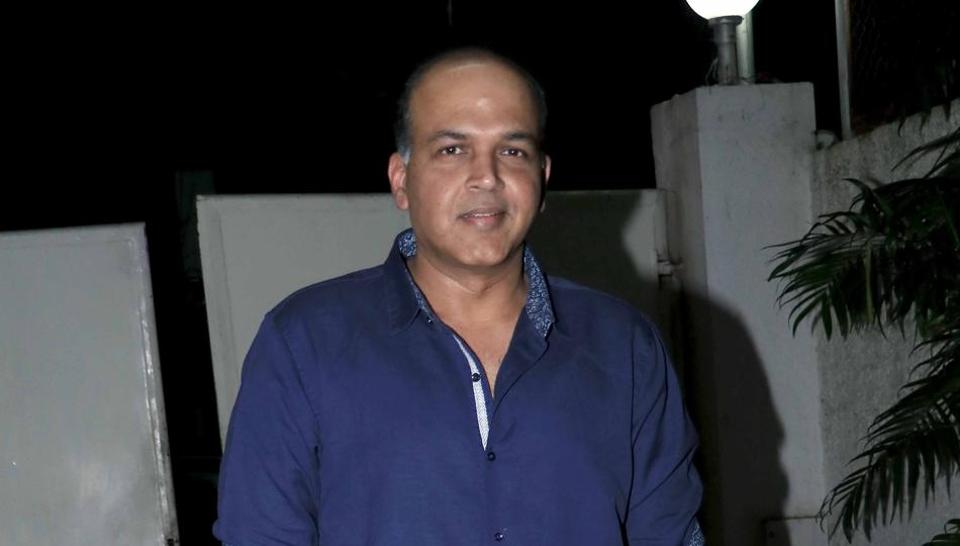
I like to tell untold stories, says Ashutosh Gowariker
Director Ashutosh Gowariker opens up on why he chooses the subjects he does and on being influenced by the women in his life

 Prefer HTon Google


Director Ashutosh Gowariker says he doesn’t let controversies affect him. His only thought is, “Why are people not patient?” He shares that he embraces the questions as people ask it out of concern. The Jodha Akbar (2008) director, says, “It is a given that there will be questions when you make a historical film. If I was a descendant of a great warrior, I would want to know what is being written about or presented about my family member. However, at the same time, people should wait and be patient. I like to go on the front foot and explain that everything is okay.”
Gowariker’s films have always had music as an integral and interactive part of the narration and the director admits to be involved in it. “It is important for a composer to know the story. I don’t want a song to just stand out on its own,” he says.
On choosing the subject of Panipat, Ashutosh shares, “Pune and Kolhapur have been important associations, the latter being my home town. One has been a part of the Chhatratpati and the Peshwas rule. But never did I think of making a film on that. Yes, I may meet somebody who will say, ‘why don’t you make a film on Chhatrapati Shivaji Maharaj’. And I will do it. But no one told me to make a film on Sadashiv Rao Bhau. Somewhere I like to tell untold stories, to see if there is a learning curve or knowledge to impart from it. In this story, what happens is inevitable, and that astonishes me. I thought, if I am so intrigued by it, then I should tell the story.”
From Jodha (Jodha Akbar, 2008) and Chaani (Mohenjo Daro, 2010) to Parvatibai (Panipat), the women characters have always been strong, independent and fearless. And, he believes it has been a part of his films by default. “It could be because of the influences of my mom (Kishori), sister Ashlesha who is a lawyer and my wife, Sunita. It is something I may have drawn from them. Hence my existing women protagonists are always rooted, supportive and strong. And not in the simplistic way of ‘behind every successful man there is a woman’, but in a more complex manner with discussions, arguments and being straight forward.”


