
 E-Paper



Budapest for booklovers
The Hungarian capital’s bookstores, libraries, and literary cafés reveals why it is a quiet paradise for readers

 Prefer HTon Google


I didn’t expect to be impressed by Budapest when I headed there after a trip to Vienna, my dream destination. But I was blown away by the Hungarian capital, a city renowned for its grand architecture, the Neo-Gothic spires, Art Nouveau façades, and the stately sweep of the Danube — along with its many thermal baths.
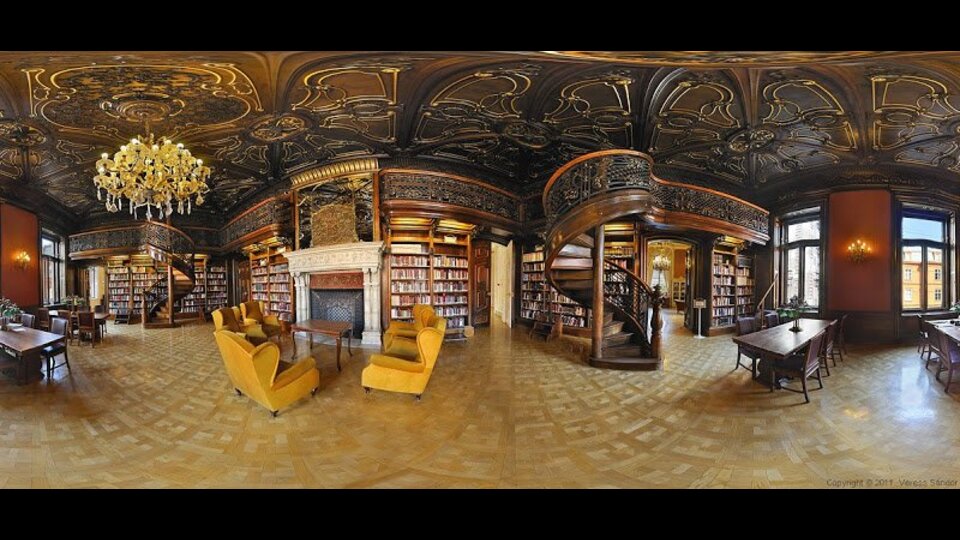
But what stayed with me was stepping away from the obvious landmarks to see a different Budapest, an underrated European capital bound by a fierce literary tradition built quietly in libraries, cafés, and independent bookshops.
The city’s literary wealth is revealed gradually, in contrast to Paris or Edinburgh, which flaunt theirs. There is no “must-see” list, only a slow exploration of a metropolis where literature has influenced national identity, opposed governments, and offered safety during turbulent times.
A literary journey through Budapest is best begun in its independent bookshops, many of which have survived political change, censorship battles, and economic turbulence. Massolit Books & Café, a warm, unpretentious space, sits on a quiet street in the Jewish Quarter. The name doffs its hat to the fictional literary organisation in Mikhail Bulgakov’s novel, The Master and Margarita, a reminder that literature has always thrived in Budapest amid humour and subversion.
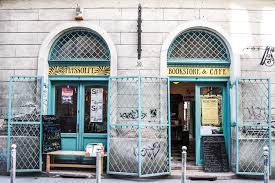
The collection ranges widely, from pulp fiction and biographies to history, classics, and English translations of Hungary’s literary greats, including Ferenc Molnár, Sándor Márai, Magda Szabó, Péter Nádas, and László Krasznahorkai. In warmer months, a simple outdoor section opens up behind the shop, extending the browsing experience into the sunshine.
Inside Massolit, conversations are aplenty between tables where students, travellers, and retired people leaf through Hungarian fiction, Central European history, and contemporary poetry. “People don’t just come here to buy a book,” says András, a long-time bookseller. “They come for a sense of community. Literature feels alive when people talk about it.”
The shop’s left-leaning book corner, its generous section of translated Hungarian writing, and its courtyard strung with plants give it the feeling of a refuge. Rebecca Davies, who’s travelled from London, puts it simply as she peruses Magda Szabó’s The Door: “Budapest’s bookstores remind you to slow down.”
A short tram ride away is Líra. It may be one of Hungary’s major bookselling chains but its flagship stores retain the charm of neighbourhood bookshops. Líra carries both Hungarian and international authors along with a helpful English section, a boon for travellers trying to navigate names like Márai and Krasznahorkai. The staff is ready with recommendations: contemporary fiction, obscure Eastern European translations, or children’s titles based on the folkloric foundation of the Hungarian imagination.
Along with being retail outlets, bookstores in Budapest are repositories of conversations. In a city where writers have historically been public figures, shaping debates and, at times, resisting governments, it’s not surprising that the bookshops still feel charged with purpose.
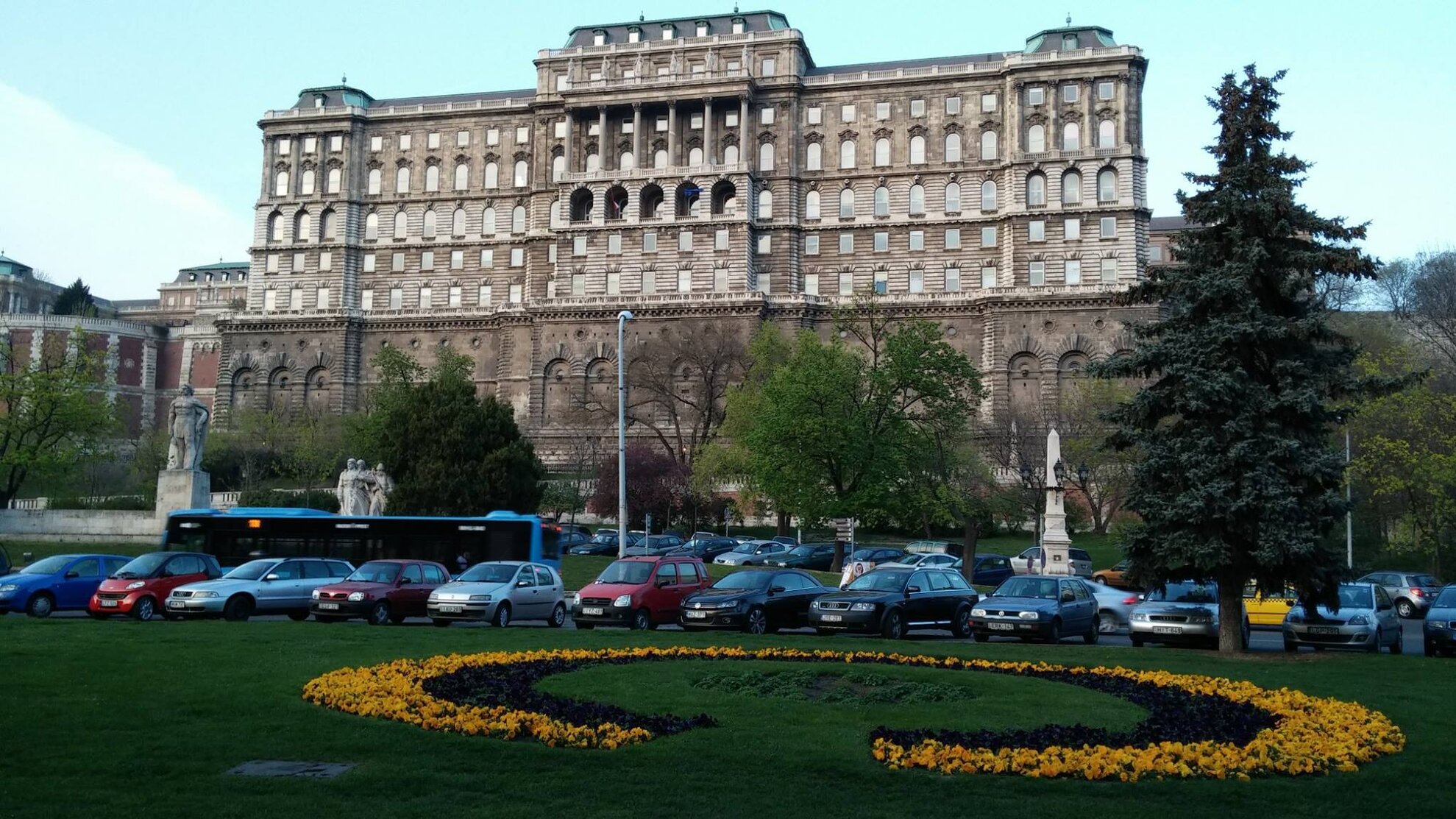
If bookstores reveal Budapest’s living literary culture, its libraries reveal its depth. The Széchényi National Library, perched inside Buda Castle, is the finest expression of this. Founded in 1802, it houses millions of documents, including precious codices, maps, rare manuscripts, and early Hungarian prints.
The handsome, old-world reading rooms showcase high ceilings, arched windows, and dark wood tables. Scholars are often spotted working on materials from Hungary’s tumultuous past: the Ottoman occupation, the Habsburg empire, the 1848 revolution, wartime resistance movements. Indeed, the library reveals how deeply literature and nationhood are intertwined in Hungarian consciousness.
The Ervin Szabó Metropolitan Library, hidden inside a former neo-Baroque palace once owned by the Wenckheim aristocrats, is as compelling. The statuesque building, with ornate ceilings, carved fireplaces, grand staircases, and glittering chandeliers, is a modern public library on the inside. Students lounge on antique furniture; tourists tiptoe in, stunned by the opulence; book clubs gather in gilded rooms that seem more like museum salons than communal reading spaces. Despite being stately and grand, the Ervin Szabó Library is distinctively democratic as it makes literature accessible to everyone.
Over the next couple of days, I find that cafés in Budapest aren’t just a place to grab a cup of coffee; they double duty as cultural institutions. Before World War II, the city had hundreds of them, buzzing with playwrights, journalists, editors, and political thinkers. Some smoky and bohemian, others elegant and heavily chandeliered; all crucibles of conversation.
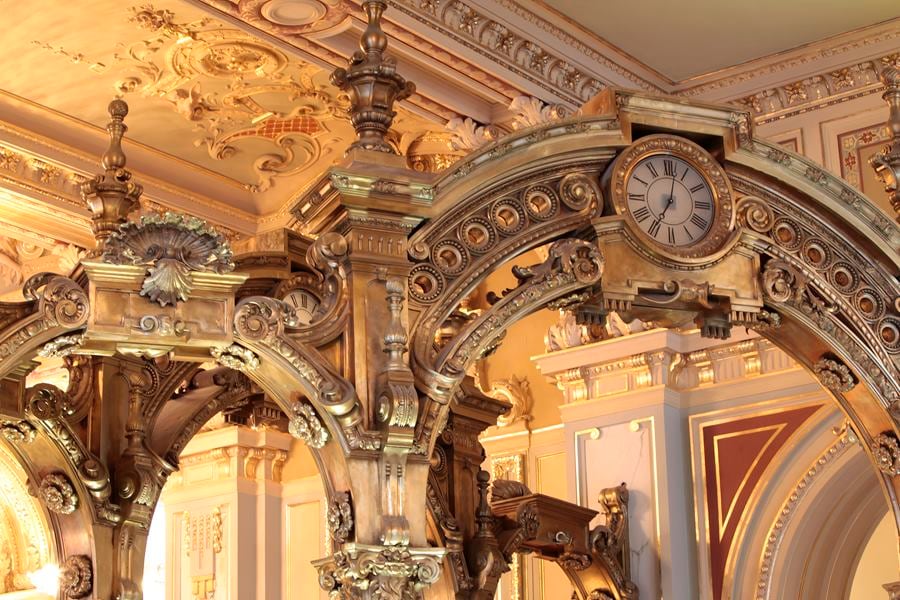
Today, the most famous survivor of this golden era is the New York Café, widely described as “the most beautiful café in the world”. Set inside the Anantara New York Palace Hotel, the New York Café draws close to 2,500 visitors a day. I witness queues lining up even before opening time, snaking past marble columns and gold-leaf arches that shimmer under frescoed ceilings. Instagram may have made it a global hotspot, but it was the beating heart of Budapest’s literary scene long before it became a backdrop for influencers.
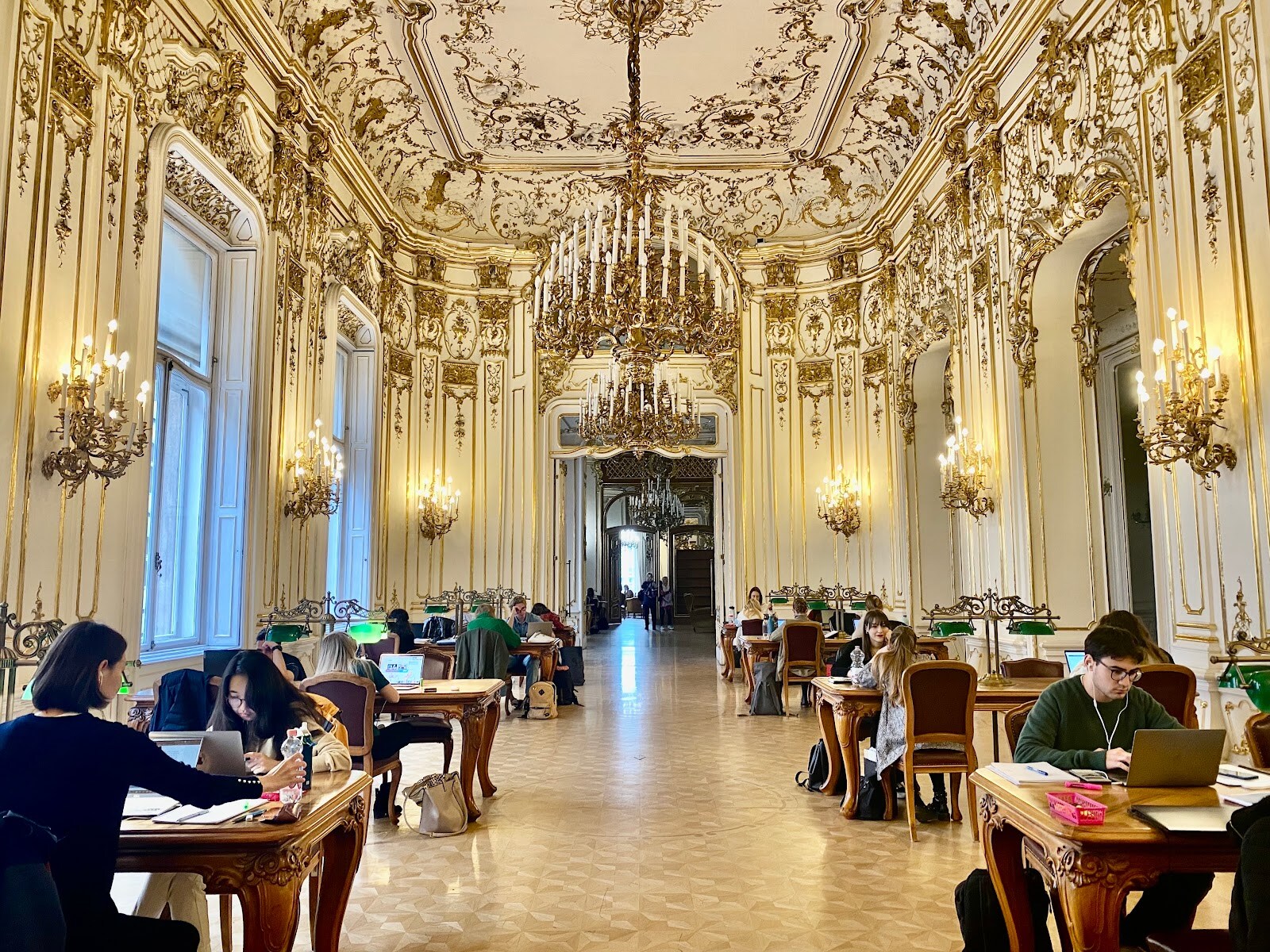
“The New York Café is more than a coffeehouse,” says Gábor Földes, PR & Marketing Manager of the hotel. “It’s the starting point of Hungarian modern literature.”
This is no exaggeration. It was here, at a table under a sky of painted allegories, that the influential literary journal Nyugat was born. The magazine sparked a modernist movement that would redefine Hungarian literature in the early 20th century. Writers such as Ferenc Molnár and Dezső Kosztolányi were regulars, and a famous legend goes that on opening night, Molnár and his friends were so mesmerised by the café’s beauty that they tossed the key into the Danube to ensure that the café never closed.
Földes and his team now see their role as custodians of that legacy. “We make a conscious effort to keep the café’s artistic and literary spirit alive by welcoming school groups for literature lessons held right here in the historic space. It allows students to step into the period they usually only read about.”
The café’s soaring ceilings, velvet drapes, and gleaming brass lamps leave visitors spellbound. The grandeur may stun but it shows me the cultural history of this gorgeous space, a reminder that ideas were once debated and shaped over cups of strong Hungarian coffee.
Part of Budapest’s charm is its walkability. A literary wander could begin in the Jewish Quarter, where Massolit anchors a neighbourhood dotted with bars, synagogues, and small art galleries, and continue toward the grand Andrássy Avenue. Along the way, you pass plaques dedicated to writers, antiquarian bookshops, and lively cafés,
The city changes tempo on crossing the Danube and entering Buda. The Castle District, with its cobbled lanes and pastel façades, has quiet squares, tiny stationery shops, and stunning panoramas. The view from Fisherman’s Bastion at dusk and the Parliament standing tall across the river is the kind of setting that makes even casual readers think metaphorically.
Landmark lovers will enjoy visiting the Petőfi Literary Museum, which offers insight into revolutionary poet Sándor Petőfi, whose verses helped ignite the 1848 uprising; and paying obeisance at the statue of Attila József, one of Hungary’s greatest poets who can be found sitting contemplatively along the Danube.
The landmarks are omnipresent if you go looking, but the most memorable literary experiences in Budapest are often found unexpectedly: in a courtyard where writers once met in secret, in a stunning café where the ideas were as grandiose as the Belle Epoque design, or in the melancholy notes of a folk musician on a bridge.
M John Harrison, English author of fantasy and science fiction, definitely knows what he is talking about: “Budapest is a prime site for dreams: the East’s exuberant vision of the West, the West’s uneasy hallucination of the East. It is a dreamed-up city; a city almost completely faked; a city invented out of other cities, out of Paris by way of Vienna.”
Teja Lele is an independent editor and writes on books, travel and lifestyle.


