
 E-Paper



HT Picks; New Reads
On the reading list this week is a volume that presents some of the most renowned episodes of Tulsidas’s Rāmcharitmānas, a collection of stories that turn the reader into a spectator of plausible macabre events, and a book of conversations on the psychology of war and peace

 Prefer HTon Google


Episodes from the Ramcharitmanas
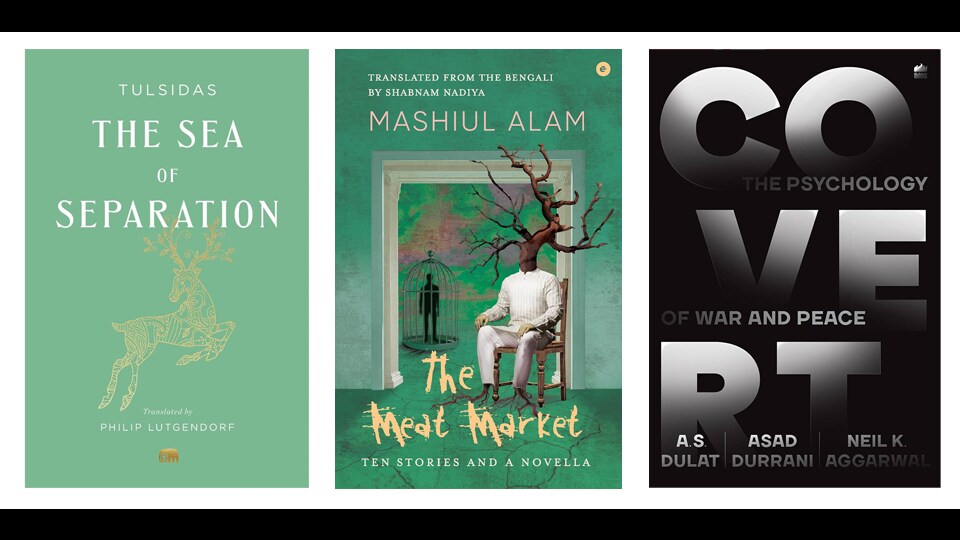
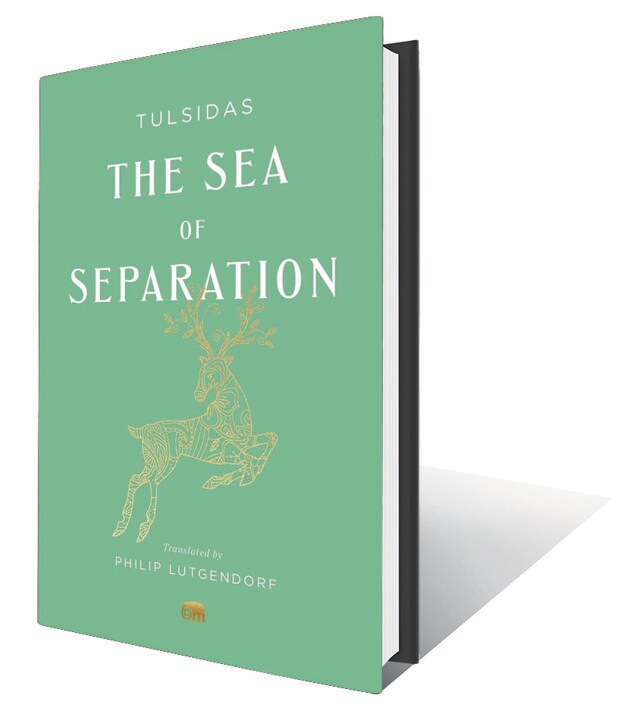
Tulsidas’s Rāmcharitmānas, written in the sixteenth century in a literary dialect of classical Hindi, has become the most beloved retelling of the ancient Ramayana story across northern India. The revered masterpiece recounts the epic story of Ram’s exile and his journeys, and it is recited by millions of Hindus today. The Sea of Separation presents some of the poem’s most renowned episodes — Ram’s battles with demons, the kidnapping of his wife Sita by Ravana, his alliance with a troop of marvellous monkeys, and, finally, the god Hanuman’s heroic journey to the island city of Lanka to find and comfort Sita. This new translation into free verse conveys the passion and momentum of the inspired poet and storyteller.*
Holding up a mirror to Bangladeshi society
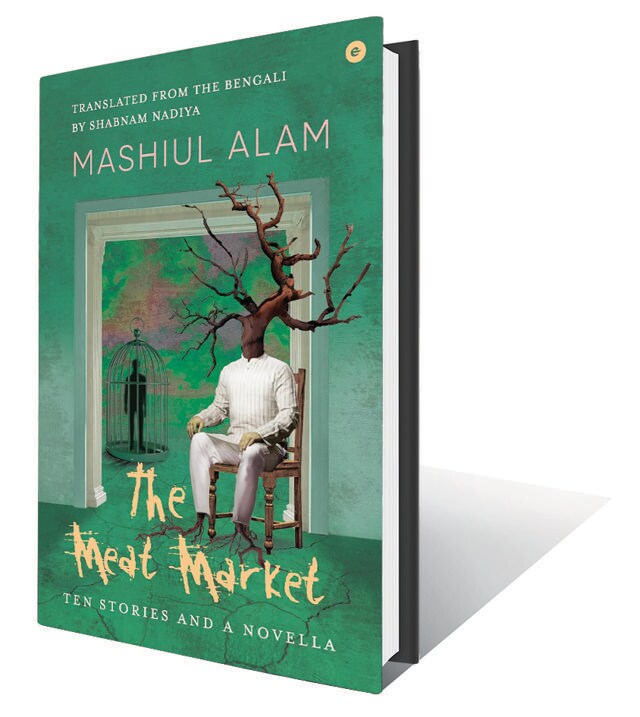
In the village of Modhupur, the new mother Julekha’s breasts dry up, but to everyone’s consternation, her little baby finds a dog to suckle on; Allah’s angel gives little Khobir 50 takas to buy sweets but his gambling father snatches the money away; Modhu, a penniless farmhand, leaves for Dhaka to drive a rickshaw two weeks a month, while his wife is actively wooed and seduced by his neighbour; Aminul Islam gets slaughtered at a butcher’s shop in broad daylight on protesting the spiking of pure lamb meat with sheep and goat-meat.
Bordering on hyper-reality, leading Bengali writer Mashiul Alam’s stories hold up a mirror to Bangladeshi society. He effortlessly crosses over into the surreal, which at times, as a means for us to cope and sustain, serves as an escape from the blatant, daily horrors of reality, or turns the reader into a spectator witnessing heightened versions of plausible macabre events. Some stories disrupt our complacency while a few others are immensely tender—but all of them intensely political and rendered in sharp, precise prose. The Meat Market is a dazzling collection marking the arrival of a world-class writer for those who read in English.*
Deep insights into a shadowy world
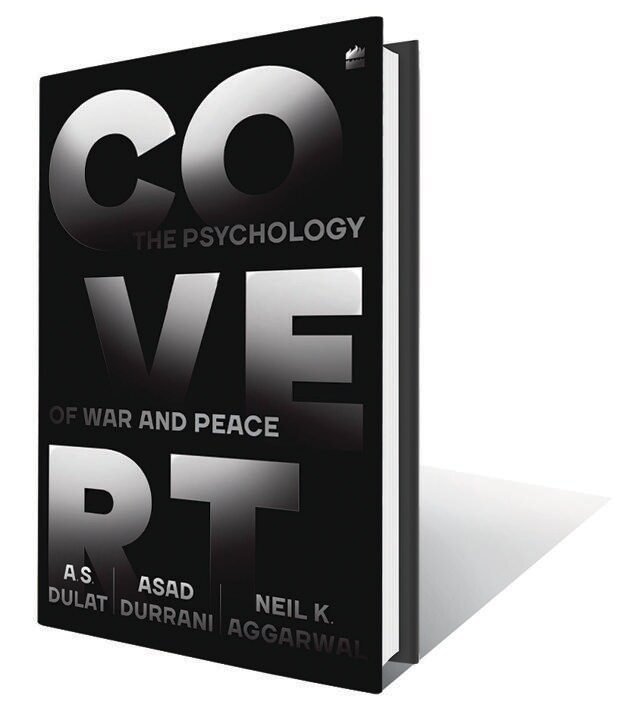
After the tremendous success of The Spy Chronicles, AS Dulat and Asad Durrani participated in a series of conversations on the psychology of war and peace; these have evolved into this fascinating book, written with psychiatrist Neil K Aggarwal.
Covert takes the reader right into the head of the two spymasters. Delving into their personal and professional trajectories that moulded them in the early years, the conversation traces the extent to which their Indian and Pakistani identities have defined them. Masterfully moderated by Aggarwal, the discussion then turns to the domain of international relations, exploring why the governments of India and Pakistan collaborate in certain areas, but not in others. What emerges is a remarkably forthright, provocatively honest appraisal of the peace building process between the two nations that appear inherently hostile to each other but share so much in terms of history and cultural identity.
The dialogues in Covert reveal a deep camaraderie between Dulat and Durrani, who have headed the intelligence operations for their respective countries. But more importantly perhaps, it provides deep insights into the shadowy world of negotiation and subterfuge. It is an eye-opener and a must-read for anyone invested in peace and amity in South Asia.*
*All copy from book flap.


