
 E-Paper



HT Picks; New Reads
On the reading list this week is a Dalit woman’s chronicle of her struggle to rise from poverty to become the voice of resistance for her people, a book on the Keeladi excavation, and an urgent and expansive novel

 Prefer HTon Google


Fashioning an identity on her own terms
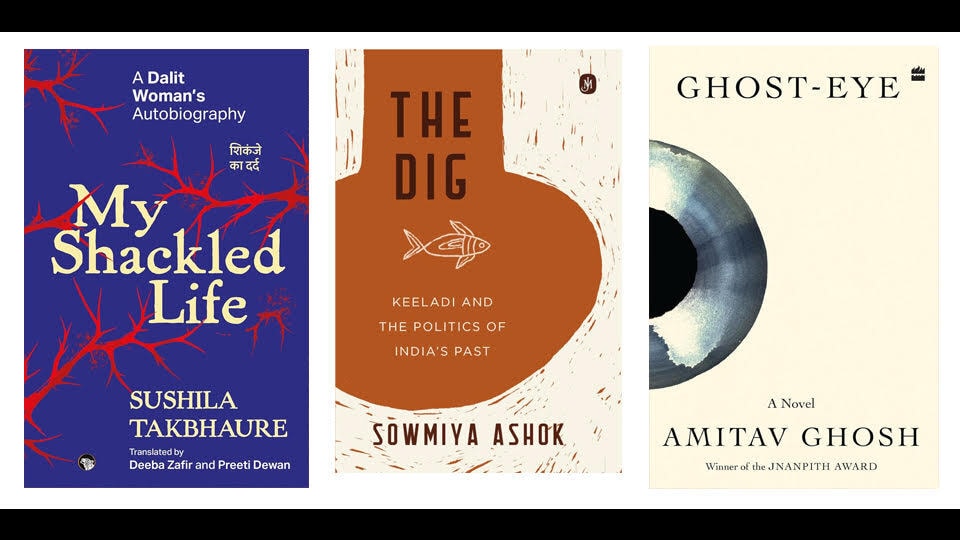
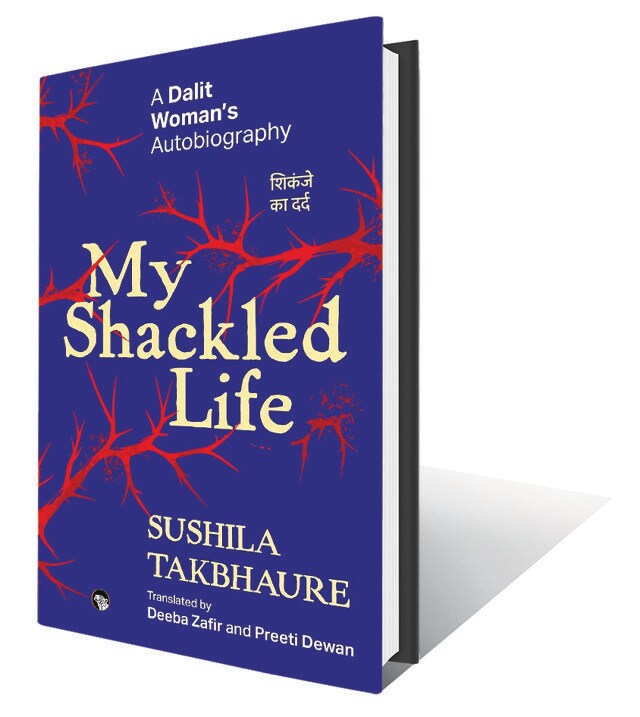
This is the searing autobiography of Sushila Takbhaure, a Dalit woman whose life story reveals not only the brutal machinery of caste but also the intimate cruelties of patriarchy. Born into the Valmiki community of Banapura in Madhya Pradesh, Takbhaure chronicles her struggle to rise from poverty and social stigma to become a teacher, scholar and the voice of resistance for her people. Her account moves from the margins of a caste-bound village to the inner spaces of marriage and motherhood in Nagpur, where oppression takes on a different, more personal form, to her life as a Dalit activist fighting for the ideals of Babasaheb Ambedkar across the country.
In her unflinching portrayal of domestic violence and emotional subjugation, she shows how Dalit women are trapped within the double bondage of caste and gender, how they are denied dignity both by the upper castes and, often, by the men of their own communities. But the laying bare of these twin injustices in her life is far from an act of despair. Her purpose, as she says, is to show how education, self-respect and solidarity with other women can become tools of liberation.
My Shackled Life is more than a memoir of suffering: it is a courageous act of truth-telling that exposes the rot within India’s social order and asserts the right of a Dalit woman to fashion a life and an identity on her own terms.*
Battles over science and history
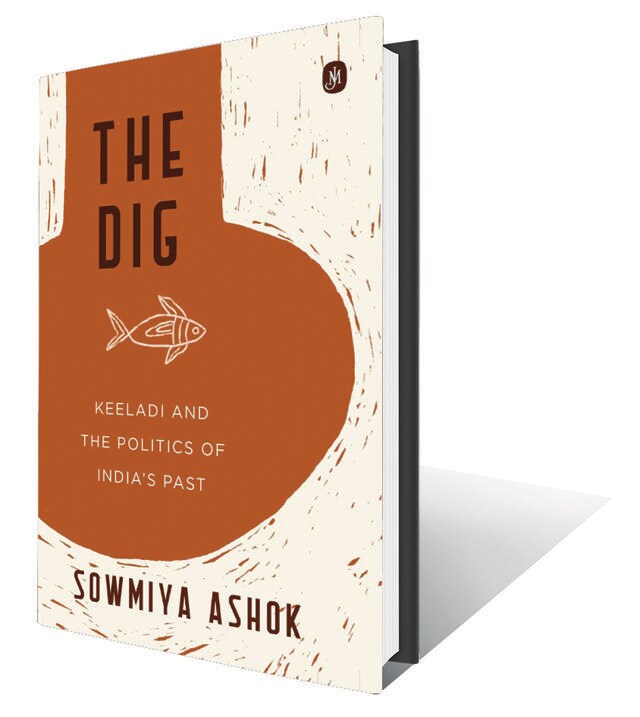
Since its discovery in 2014, the Keeladi excavation has become one of India’s most contested digs – hailed by some as proof of an urban civilization in south India and dismissed by others as political mythmaking.
Her journey takes her from the earliest Iron Age sites in Tamil Nadu to the Harappan site of Rakhigarhi in Haryana and the lost port of Muziris in Kerala. Along the way, she chats with archaeologists while sweating under the scorching sun, clings to rickety platforms at a roaring jallikattu arena, and even tastes ancient pottery at an excavation site.
Blending sharp insight with humour, The Dig reveals how political battles over science and history continue to shape our understanding of India’s past.*
Of family, fate and our fragile planet
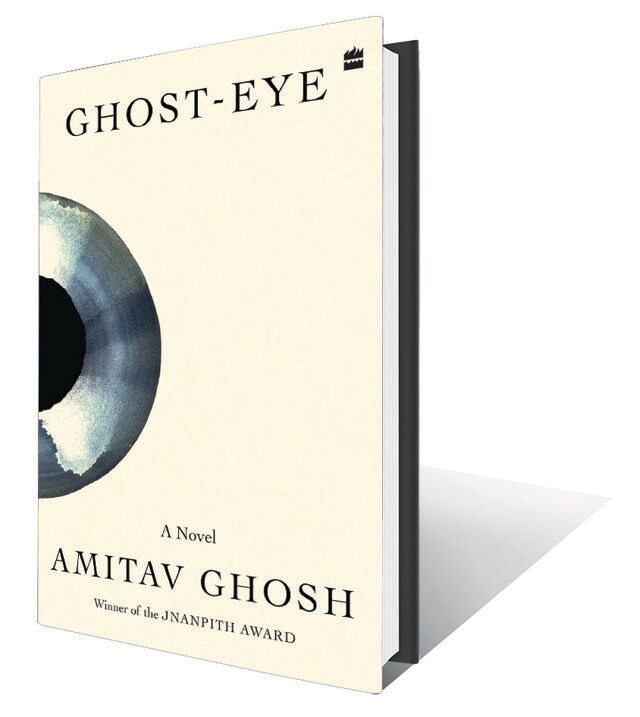
Varsha Gupta wants fish for her lunch. Her family can’t understand it; the three-year-old has never tasted fish in her life. The Guptas are strict vegetarians and don’t allow it inside their Calcutta mansion. But Varsha claims she can remember another life: a mud house by a river where she caught and cooked fish with a different mother.
Perplexed, the Guptas turn to Dr Shoma Bose, a psychiatrist who has been investigating what are known as ‘cases of the reincarnation type’ for years. But Shoma’s understanding of the world is changed forever by Varsha’s revelations.
Half a century later, when Varsha’s therapeutic case file catches the attention of a group of environmental activists, Shoma’s nephew Dinu is drawn inexorably into their plans. And as Dinu finds himself caught up in the search for Varsha, buried memories of his own past begin to surface.
Travelling between late-sixties’ Calcutta and present-day Brooklyn, Ghost-Eye is an urgent and expansive novel from one of our greatest living storytellers, about family, fate and our fragile planet.*
*All copy from book flap.


