
 E-Paper



HT Picks; New Reads
This week’s pick of interesting reads includes an anthology that depicts the various forms of the Devi, a meditative novel that looks at travel and otherness, and an early record of the Partition as it was experienced in Delhi

 Prefer HTon Google


Of Yakshinis, yoginis and more
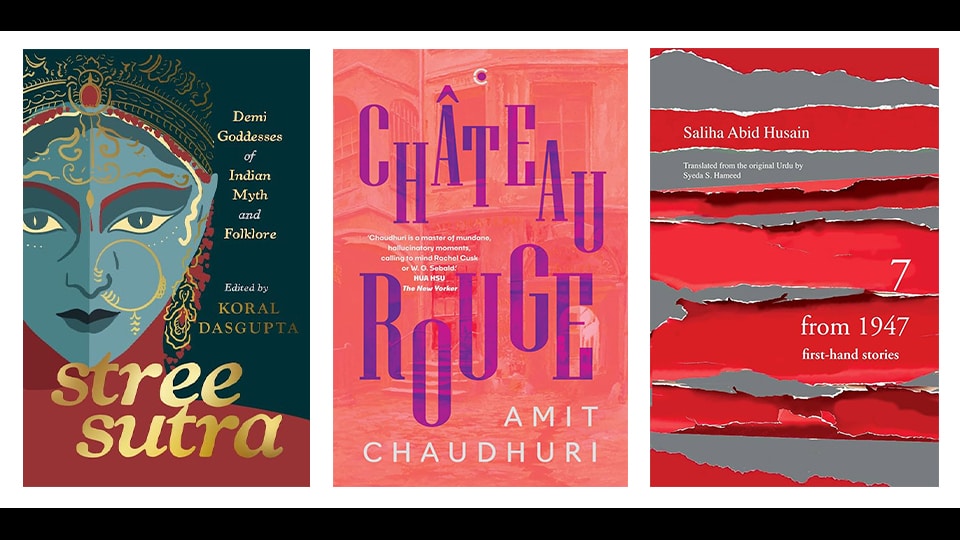
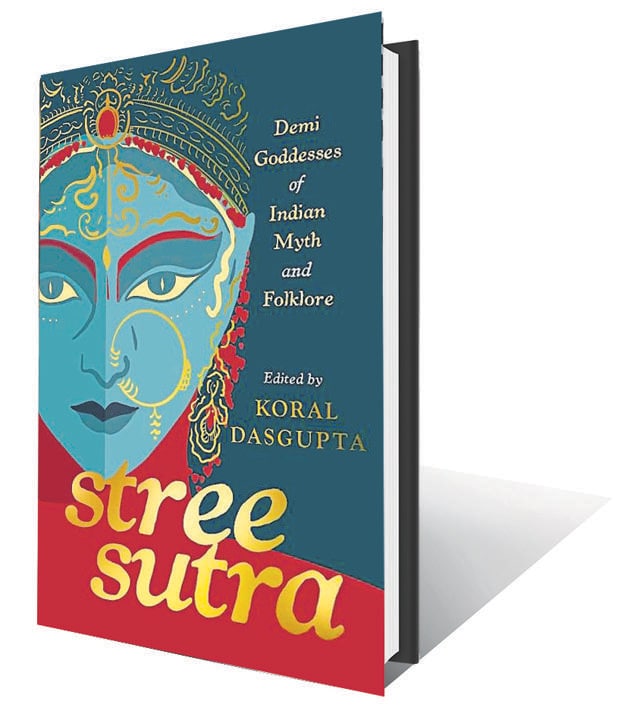
Drawing from myths, legends, folktales, local beliefs and retellings from the epics, 22 diverse voices breathe life into the stories of lesser-known celestial women -- Apsaras, Yakshinis, Gandharvis, Nagas, Yoginis and more. A list of writers including Anand Neelakantan, K Hari Kumar, Shinie Antony and Sunita Pant Bansal, among others, depict these varied forms of the Devi as powerful guardians of people, forests, mountains and river valleys, whose presence is part of the soil and spirit of the subcontinent.*
Free floating through Paris
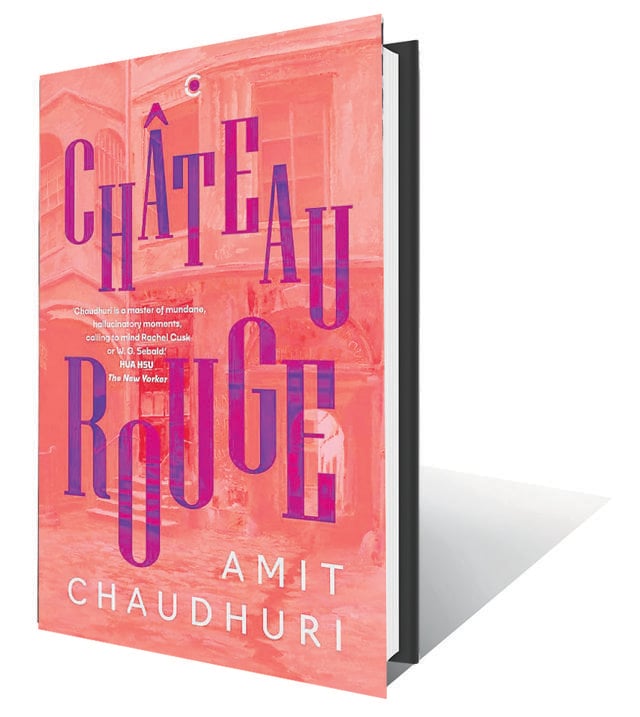
A meditative and fragmentary novel about a writer invited to a residency in Paris. There, he sublets an apartment in the Château Rouge area, which bears little resemblance to his idea of the city. The experience eventually leads him to a newly expansive attitude toward the city with his disquiet translating into a way of seeking and experiencing a truer, more unlikely Paris.
Château Rouge floats freely through Paris, exploring tangents, diversions, side streets, and creeps into new spaces and remote angles, to open up fresh ground and appraise the city, the experience of travel, otherness — and the novel itself.*
When the hungama began
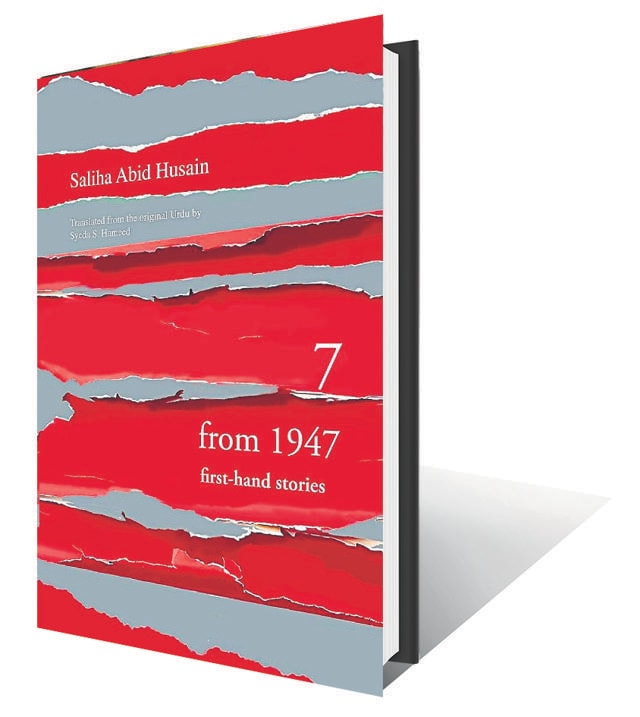
1947. The hungama began. I wrote and wrote. My husband thought hungami adab was journalism, not literature. He was trying to protect me. But if I had not written it, the veins of my brain would have burst. All my wealth, my precious books, had been destroyed in communal fires of Maktaba Jamia and Kitabi Duniya. The trickling blood of that wound found its way into these six afsanas. In 1948, the book, Niras Mein Aas, was published in Bombay. I dedicated it to Mahatma Gandhi.
September 1947 in Delhi. The author, witness and scribe, records the momentous events unfolding around her in stories that are poignant, visceral and chillingly of-the-moment. This is possibly among the very first, very few, testaments to the epochal phenomenon of the simultaneous Independence and Partition of India.*
*All copy from book flap.


