
 E-Paper



Report: Thespo Theatre Festival 2022
The annual event that presents the work of theatrewallahs under 25 from across the country was packed with full length plays, shorter pieces, readings and workshops

 Prefer HTon Google


Thespo, the annual youth theatre festival that brings theatrewallahs under 25 from all over India to Mumbai, held its 24th edition at Prithvi Theatre from December 5 to 11. Tamasha 24/7 was a befitting theme for the festivities because the itinerary was choc-a-bloc with full-length plays, fringe and platform performances, workshops, play readings, music and stand-up comedy.
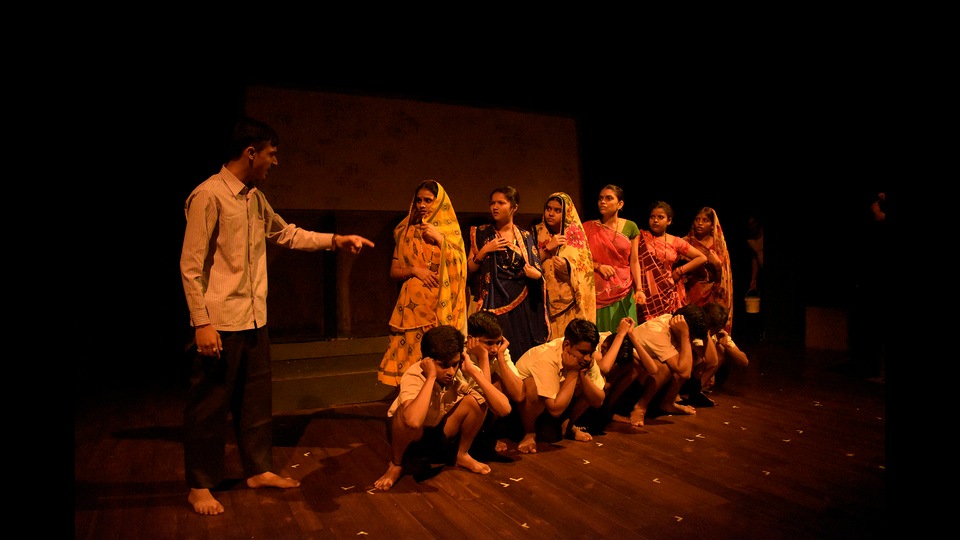
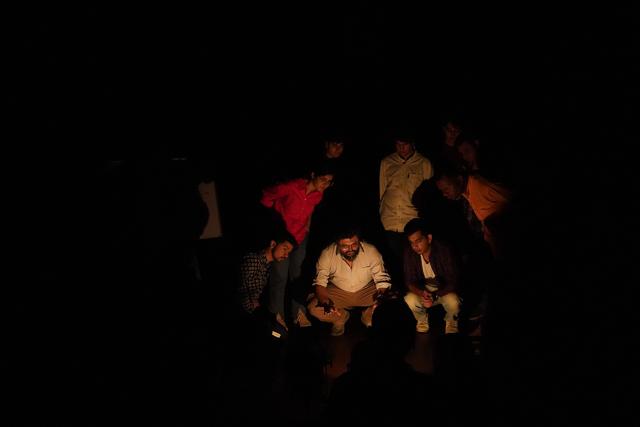
To enable young people to participate, many of these offerings were free of cost or had discounted rates for students. The money to put up the festival was raised mainly through crowdfunding. It was clear that Thespo continues to be a forum for those who are passionate about theatre, want to build friendships around shared interests, and also escape the loneliness that Mumbai can inflict on those who come from small towns with Bollywood dreams in their eyes.
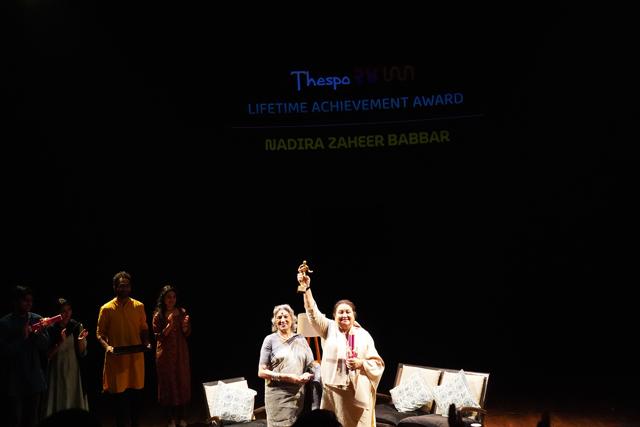
Thespo opened with the presentation of the Lifetime Achievement Award to Nadira Zaheer Babbar for her magnificent body of work as an actor, playwright, director and mentor to generations of people bitten by the theatre bug. Scenes from her plays were performed to pay tribute. This was followed by a freewheeling conversation where she made audiences laugh and cry with personal recollections about growing up as a mischievous child, her immersion in the arts thanks to her writer parents Razia and Sajjad Zaheer, falling in love with actor Raj Babbar, and being able to run her theatre group Ekjute for so long only because a financial safety net was provided by her husband’s earnings from movies.
The scripts of some of her plays – Operation Cloudburst, Suman Aur Sana, Jaisi Aapki Marzi, Dayashankar Ki Diary, and Sakkubai – were read in the afternoons as part of a gathering called “Thespo Reads”. Those who attended were assigned different characters from the plays so that they could get an intimate feel of the playwright’s work. No prior background in theatre was required. People could also volunteer to read lines of any character regardless of their gender. Play readings were followed by discussions about plot, characterization, point of view, dialogue, and the socio-political questions raised by the writer.
Five full-length plays were performed at the festival. The theatre groups came from Guwahati, Ahmednagar, Mumbai and Delhi. Koyla, directed by Amit Patil and Siddhesh Salvi, revolved around the pangs of growing up in a household with an alcoholic father and a mother who tolerates domestic violence. Based on Ratnakar Matkari’s story adapted by Siddhesh Salvi and Nachiket Pawar, it also showed how boys denied outlets for emotional expression can end up hurting others.
Cursed Like Cupid was a satirical one-woman show about disability, love, and being a millennial written and performed by Gouri Bhuyan, and co-directed by her with Matthew Vetticad. ASMR, which was written, directed and choreographed by Hiya Anupam, was more abstract. It used light, movement, breath and sound to make audiences think about the nature of pleasure and pain. The play Kala Yug, written and directed by Akshay Raheja, pondered mental illness and civilization as well as notions of good and evil as social constructs. It drew upon influences as diverse as Gajanan Muktibodh’s poetry and the Atharva Veda.
Fulawara, written by Pramod Kasbe and directed by Shubham Gade, told the story of a woman torn between her professional ambitions and her family’s insistence on getting married. It also looked at how women’s bodies get pulled into discourses of honour and shame when they get pregnant before marriage but the men in those relationships are not subjected to the same.
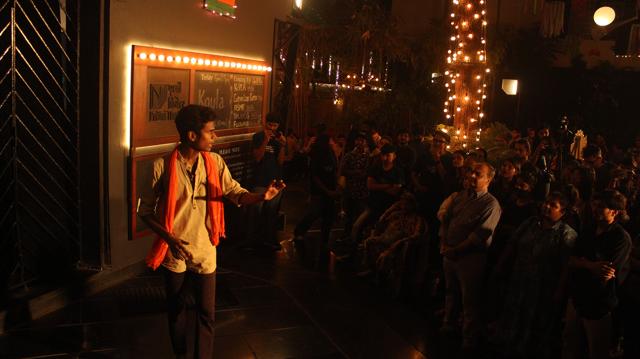
These five plays were chosen after a gruelling process. Vaishavi RP and Vivek Madan who formed the screening panel this year, travelled with Thespo fellows Suyash Rajpurohit and Arun Gupta to over 10 cities to watch performances of plays that were entered for selection. The quality of the plays that made the final cut is always up for debate not only because taste is a subjective matter but also because performing at Thespo and Prithvi is a matter of prestige for young theatre makers. The effort put into presenting a diverse selection does speak for itself. Audiences got a chance to experience theatre productions in multiple languages including Bhojpuri, Assamese, Marathi, Hindi, English, and Bengali.
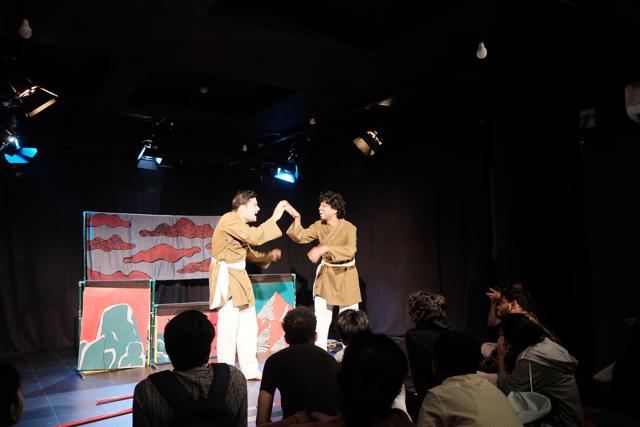
The fringe and platform performances were mostly shorter plays or plays in the process of development. They were performed by groups from Ahmedabad, Pune, Jaipur, Delhi and Mumbai. Orange Card, written and directed by Sarthak Chaskar, threw light on the indignity and embarrassment faced by people who use ration cards to get foodgrains provided through the government’s public distribution system. Namak, which was set during the Covid-19 pandemic, was directed and performed by Chandrika, Kiran and Sunaina. It showed the harsh realities of poverty and hunger in a family made up of a single mother and her two daughters. With little food to eat, they are forced to starve, lick salt, drink lots of water, and play games to distract their minds.
The international presentation at the festival was Megalopolis #India. It grew out of Italian directors Nicola Pianzola and Anna Dora Dorno’s workshops with actors who were guided to devise a performance using their own stories. They combined movement, speech, video footage, music, with a play of light and darkness, to evoke the chaos and restlessness that are commonplace in Mumbai.
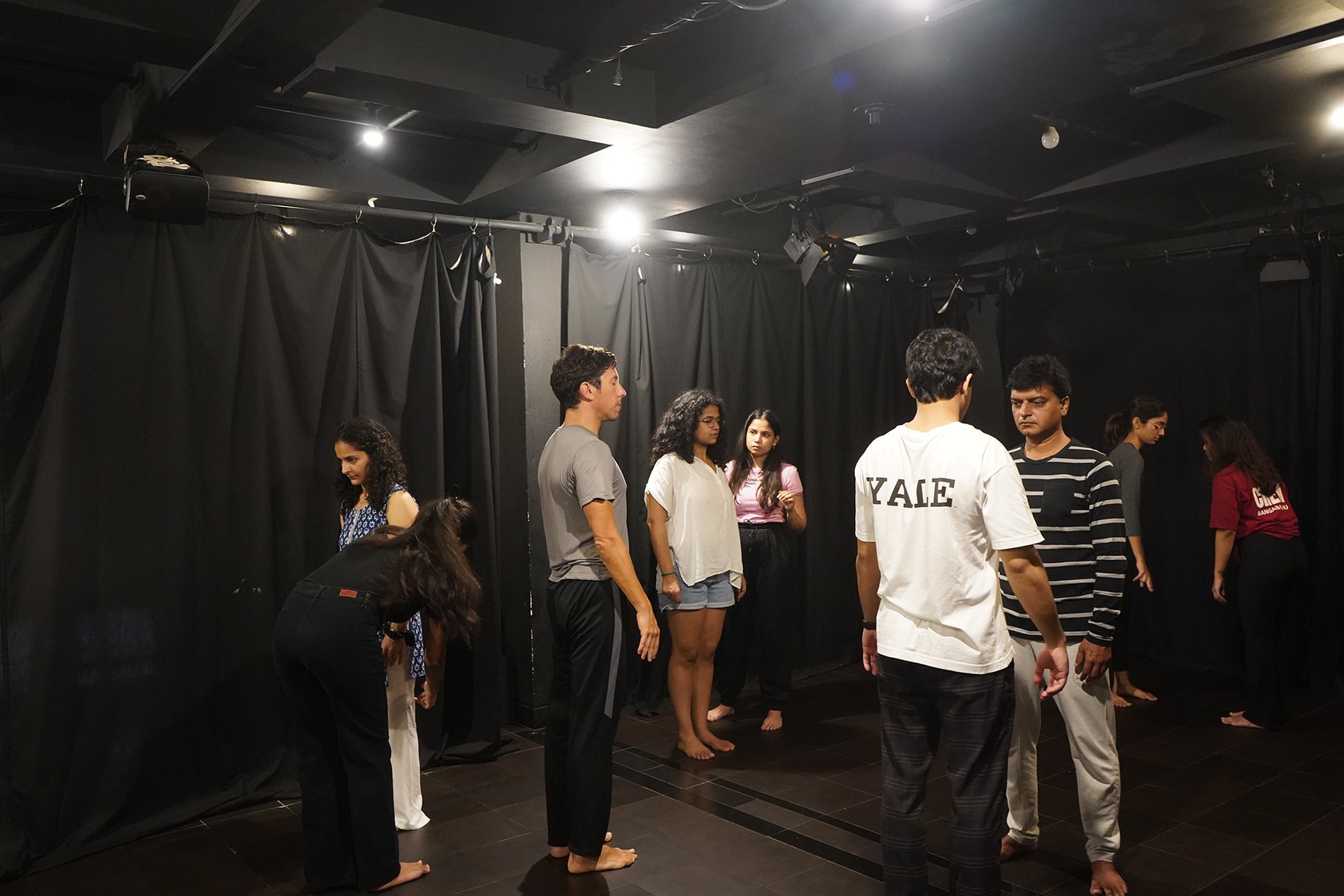
Apart from building a sense of community among theatre enthusiasts and showcasing their art, Thespo also offered training opportunities through workshops covering areas like stage management, lighting, direction and writing. These were conducted by theatre professionals Quasar Thakore Padamsee, Toral Shah, Irawati Karnik, Anita Santhanam, and Arghya Lahiri.
The festival concluded with an award ceremony at the St Andrews Centre for Philosophy and Performing Arts. It was heartwarming to see theatre veterans like Dalip Tahil, Dolly Thakore, Farid Currim and Denzil Smith honouring young talent in different aspects of theatre such as acting, direction, writing and production.
Theatrewallahs who passed away recently – Vikram Gokhale, Gerson Da Cunha, Niloufer Sagar, Burjor Patel, Salim Ghouse and Shiv Subramanyam, among others – were also remembered for their contributions to theatre.
Chintan Girish Modi is an independent writer, journalist and book reviewer.


