
 E-Paper



Sunny Singh: “We can’t move towards justice if we can’t recognise injustice”
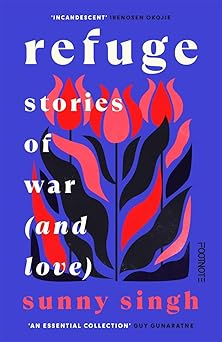
The academic and author of Refuge: Stories of War (and Love) on decolonisation, the need to centre justice, and to distinguish between truth and propaganda

 Prefer HTon Google


What compelled you to bring together stories of love and war?
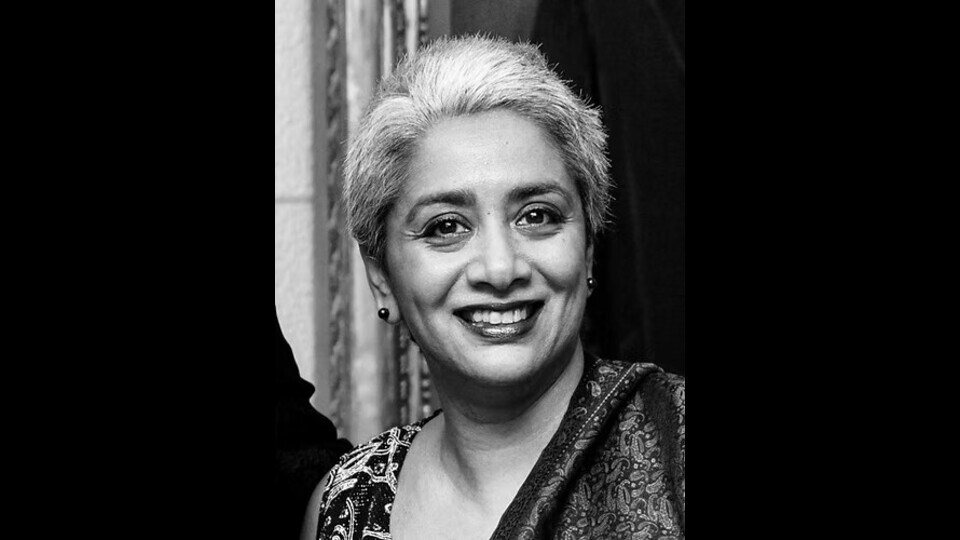
I am a fauji brat so in many ways the two have always gone together in my life. My father served in all three branches of the Indian military, initially as a young GD pilot in the air force, becoming one of the country’s first naval aviators on the INS Vikrant, and then as gunner in the army. My first memories date back to the 1971 war with scary nights of blackouts against air raids, of my mother and other army wives waiting anxiously for news while also trying to support each other and their families. I remember my mother’s relief when my father returned along with the grief and sadness that so many people we knew in our daily lives did not. At the same time, my memories are also most strongly of laughter, camaraderie, and love. I learned very early that war causes loss, war inflicts pain, but it can only be endured by love. Not just romantic love but love for our families, friends, lands, communities, and ideals like freedom and justice.
As someone who hasn’t personally experienced life in a war zone, did you find it challenging to write about war in a fictional context?
We often only think of war in the traditional sense: two armies facing each other in an empty battlefield or what we call a ‘war zone.’ But entire cities, villages, neighbourhoods have been – and are – war zones throughout history and the brunt of violence is always borne by civilians, mostly women and children. In some ways, this idea of ‘war zones’ is an imperial one because it helps hide that mass political violence is part of our daily lives. I was first published as a teenager in 1983 following Indira Gandhi’s assassination and the subsequent mass violence against Sikh communities. Since then, I have researched and written about political violence, trying to express the reality that war doesn’t stop or stay or end in ‘war zones’ or borders. I also always ask experts to check my writing to make sure that I am not misrepresenting anything or anyone.
Amid today’s world dynamics, can decolonisation still offer transformative potential for addressing systemic injustices and fostering inclusive progress?
Decolonisation is not a term or a stage or a buzzword. Decolonisation is a process of achieving justice for all of us who have been denied justice, either in the past or now. Most importantly, when we centre justice, we must recognise something else: Justice is an ever-expanding circle. There will never be a time we reach a permanent state of ‘justice.’ Instead, each time we make progress, we will be confronted by another injustice that must be undone. Thinking about justice like this can feel scary and exhausting. But it is less painful than experiencing injustice or ignoring injustice or pretending that we are, can be, and shall be somehow spared from it.
There is also something incredibly joyful about knowing that we can continue on a journey towards ever-expanding justice for all of us. It means that all of us can and must keep examining the things we have been taught and undoing them, if need be, to keep decolonising ourselves by constantly seeking and learning, to constantly keep expanding our minds and hearts.
As far-right ideologies gain traction globally and assaults on civil liberties and human rights intensify particularly against marginalised communities, what strategies would you recommend to counter this trend and foster a more just and inclusive society?
Given the ongoing climate catastrophe, we are at a critical juncture in human history and we must act individually and collectively. The collapsing global order including the rise of the far right is at the heart of this climate catastrophe. As a writer, thinker and scholar, the starting point is always: read and learn, and we can all do this. We should be reading more, and specially things that challenge what we believe or take for granted. As we do more of this, we learn to evaluate data, to distinguish between truth and propaganda, and we learn to question and think critically. We can’t move towards justice if we can’t even recognise injustice or understand its roots, processes and forms. So, the starting point, as I tell my students, is read more and more widely and deeply.
How do you hope your stories will encourage readers to dream boldly about the kind of world we might one day create?
I am an anticolonial writer and scholar so every part of my work is founded on the knowledge that we have inherited not only viciously colonial economic and political structures but also colonised ways of seeing the world and ourselves. This means the ways in which we can imagine the world has also been colonised. My stories are part of my anticolonial ideal and mission: to tell stories of people who don’t often show up in stories as full human beings. We talk often about the colonial ‘divide and rule’ strategy but we don’t think about how we are taught to separate ourselves from each other. Stories are how we build and break relationships, how we make friends and enemies. Stories can teach us fear or hate, or they can teach us to care and love. This has real world consequences: it is very difficult to other, dehumanise and demonise anyone once you learn their story which in turn means it is harder to hate, exploit and do violence to people when we know their stories.
We have one planet and we have to learn to coexist on it. I would be happy if Refuge can get readers thinking differently about those who don’t show up in stories or are dehumanised and demonised in most stories. And I hope that, in turn, will get us talking about how to reach out across differences, unlearn what we have been taught about each other, and learn to coexist.
Chittajit Mitra (he/him) is a queer writer, translator and editor from Allahabad. He is co-founder of RAQS, an organization working on gender, sexuality and mental health.


