Now that our remotes are stuck on Zindagi TV, watching Pakistani ‘draame’, let’s be clear: many of them are as regressive as their Indian counterparts. There are exceptions such as Behadd or Kitni Girhain Baaki Hain, and strong female characters such as Kashaf. But here are four recurring, outdated plotlines, which need to go, ASAP ‘Good Girl’ V/S ‘Bad Girl’
The favourite trope of most shows: The ‘good girl’ is religious, and is happy to compromise. The ‘bad girl’ is outgoing, isn’t religious and thus, morally corrupt. It may not be as stark as Tulsi versus Mandira, but shows such as Maat (Aiman versus Saman), Humsafar (Khirad versus Sara), Aaina Dulhan Ka (Aima versus Aiza), Kahi Unkahi (Zoya versus Anam), Madiha Maliha (err... you get the drift) are built on the same pattern: because that old chestnut, aurat hi aurat ki dushman hoti hai.
Stifling Gender Roles
Men earn and are providers. Women stay at home and look after the family. In Aaina Dulhan Ka, the heroine Aima, who is held up as the model of good sense, tells her husband that it’s his job to provide for the family and her job to look after them. In Zindagi Gulzar Hai, hero-hearthrob-hypocrite-of-the-highest-order
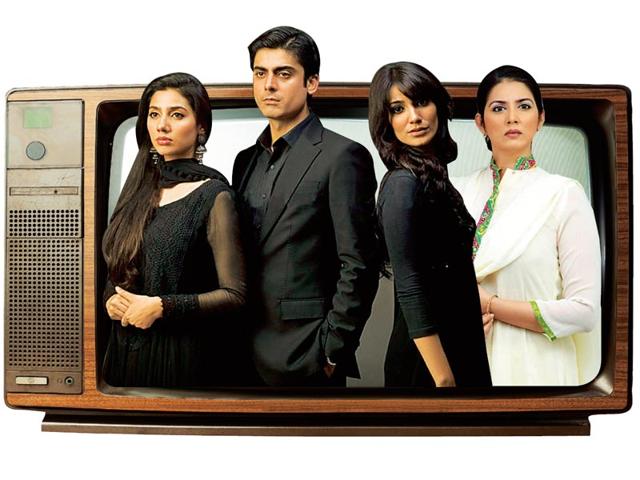
Zaroon Junaid blames his working mother for everything, from her children’s lack of religious grounding to the eventual breakdown of his sister’s marriage.
Men Get A Free Pass
In the god-awful Mastana Mahi, the male lead brings his second wife home because the first one can’t have kids. And then everybody wonders why the first wife becomes crazy! Show after show repeats the pattern: secretly married second time to a much younger woman? Serves your bossy wife right (Badi Aapa).
Beat your wife when you were drunk? You know the answer, right? No, not jail and yes, she’ll take you back (Mera Naseeb). Suspected your wife of infidelity and left her? Don’t worry, she’ll take you back because, you know, humsafars and all that (Humsafar, Kahi Unkahi).
Dial M For Marriage
We can pin the blame for this one on the subcontinent’s unhealthy obsession with marriage, but every single show revolves around it. Dhoop Kinare, the 1980s drama that first gave India a taste of Pakistani television, was set in both the hospital where the characters worked and their homes. But the shows today rarely venture out of domestic confines, with stories revolving around marital bliss or the lack thereof.
PS: I peeped into the world of Hindi entertainment channels to see what the Zindagi shows were up against. Judging from the trailers, we’re doing a great job of botching up historicals (Razia Sultan and Maharana Pratap), novel adaptations (Dilli Wali Thakur Gurls), horror (Fear Files), drama (Swaragini) and pretty much everything else. Excuse me while I binge-watch The Walking Dead, because zombie guts are infinitely more interesting.
From HT Brunch, April 19
Follow us on twitter.com/HTBrunch
Connect with us on facebook.com/hindustantimesbrunch